Transportation Projects and Public Safety Concerns in Los Angeles
Recent developments in Los Angeles transportation projects and incidents involving vehicles and pedestrians have drawn attention from local media and officials.

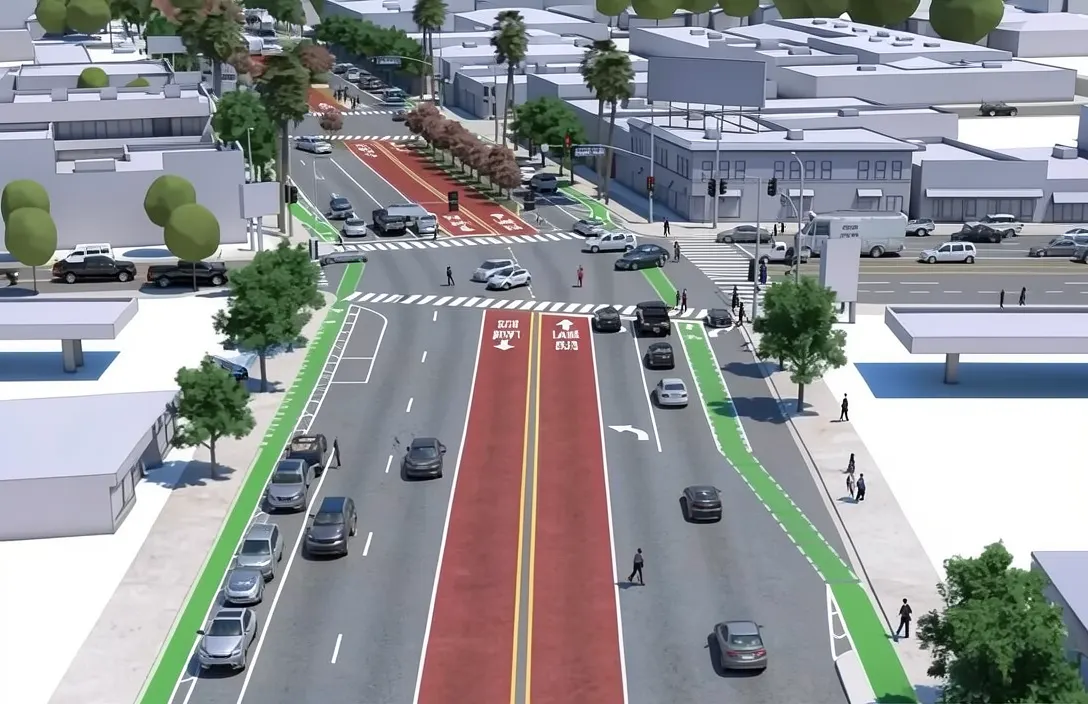
Efforts to implement a Bus Rapid Transit (BRT) project in Eagle Rock have encountered resistance from local residents, who are collectively referred to as 'Nimbys' (Not In My Backyard) and are pushing against the proposed infrastructure (KCAL). This opposition highlights ongoing tensions between urban development and community concerns in the region. The BRT project is part of a broader strategy to improve public transit in Los Angeles, but local pushback indicates the challenges of such large-scale initiatives (Streetsblog Los Angeles). [1]
In Culver City, officials have approved upgrades to Sepulveda Boulevard, including enhancements for both bus and bike traffic. These improvements are part of a larger effort to promote sustainable transportation options in the area. The approval of these upgrades reflects a growing emphasis on multimodal infrastructure in Los Angeles (MV Voice). This is consistent with broader trends in urban planning that prioritize pedestrian and cyclist safety alongside public transit (Streetsblog Los Angeles). [1]
Meanwhile, Burbank has received a $17.5 million grant to improve its Metrolink and bus station infrastructure. This funding is expected to enhance connectivity and efficiency for public transportation users in the city. The grant underscores the importance of federal and state support in advancing transportation projects across the Los Angeles region (MyBurbank). These developments are part of a larger effort to modernize and expand transit systems in Southern California (Streetsblog Los Angeles). [1]
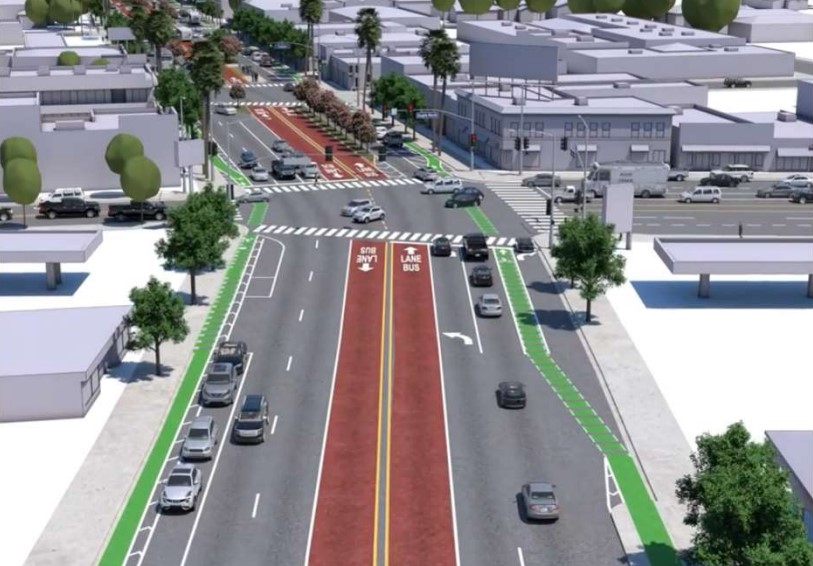
The NoHo-Pasadena center-running bus lanes design for Colorado Boulevard at Eagle Rock Blvd is a specific project highlighted in the Streetsblog Los Angeles post, focusing on improving transit efficiency in the NoHo and Pasadena areas. This design aims to enhance bus movement along a key corridor, addressing congestion and promoting public transit use in this part of Los Angeles. The project is part of broader efforts to expand bus infrastructure in the region, reflecting a growing emphasis on sustainable transportation solutions. [1]
Advertisement
The Eagle Rock Nimbys are actively opposing the Metro BRT project, indicating community resistance to the proposed rapid transit line. This opposition suggests that local residents are concerned about potential disruptions, changes to neighborhood character, or other impacts associated with the project. The issue has been covered by KCAL, showing that the debate over the BRT line is ongoing and involves significant local stakeholder engagement. [1]
Burbank has been awarded a $17.5 million grant to improve its Metrolink and bus station infrastructure, as reported by MyBurbank. This funding will support enhancements that aim to improve connectivity and passenger experience at the station, aligning with regional efforts to modernize rail and bus systems. The grant reflects a commitment to improving public transit infrastructure in suburban areas of Los Angeles County. [1]
Residents in Eagle Rock, referred to as 'Nimbys' (Not In My Backyard), are continuing to resist the proposed Bus Rapid Transit (BRT) project, which has been a point of contention for local stakeholders (KCAL). This resistance has been well-documented in recent reports, highlighting the community's concerns over potential disruptions and changes to the neighborhood (KCAL). [1]
The BRT project has faced significant pushback from local residents, who are concerned about the impact of the infrastructure on their daily lives and the character of the neighborhood (KCAL). These concerns have been amplified through local media and community discussions, leading to increased scrutiny of the project by both residents and officials (KCAL). [1]
Advertisement
Despite the resistance, officials continue to explore ways to implement the BRT project, which is seen as a necessary step in improving public transportation in the area. However, the ongoing opposition from local residents has created a challenging environment for project proponents (KCAL). [1]
Residents in Eagle Rock, referred to as 'Nimbys' (Not In My Backyard), are continuing to resist the proposed Bus Rapid Transit (BRT) project, which has been a point of contention for local stakeholders (KCAL). The BRT project has faced significant pushback from local residents, who are concerned about the impact of the infrastructure on their daily lives and the character of the neighborhood (KCAL). [1]
Despite the resistance, officials continue to explore ways to implement the BRT project, which is seen as a necessary step in improving public transportation in the area. The project has been a subject of discussion and debate among community members and local government representatives (KCAL). [1]
The situation in Eagle Rock highlights the challenges that urban development projects often face when they intersect with community concerns and local opposition (KCAL). As discussions continue, the outcome of the BRT project remains uncertain (KCAL). [1]
Advertisement
The Cali Reporter newsletter
The stories worth your time.
California, the country, and what comes next. Join our free newsletter for reporting that keeps you informed.
More in Transportation
- Metro D Line Extensions Face Final Cost Increase Before 2027 Opening
The Los Angeles Metro D Line extensions to Century City and Westwood are expected to open in 2027, but the project has faced a final $300 million budget increase due to unforeseen construction challenges.
- Metro Freeway Expansion Projects Blocked by Committee Vote
A Metro board committee rejected $222 million in funding for three freeway widening projects in Southeast L.A. County, marking a rare shift in the agency's usual approval process for such expansions.
- Metro Concludes Sepulveda Transit Corridor Scoping Meetings
Metro has completed a series of public scoping meetings for the Sepulveda Transit Corridor project, with final input due by Wednesday, November 18, 2026.