New York City Announces 30% Discount on Essential Groceries at City-Run Stores
Mayor Zohran Mamdani has announced a 30% discount on essential groceries at all five city-run grocery stores, which will open in each of the five boroughs. The initiative aims to make fresh produce, meat, seafood, and…

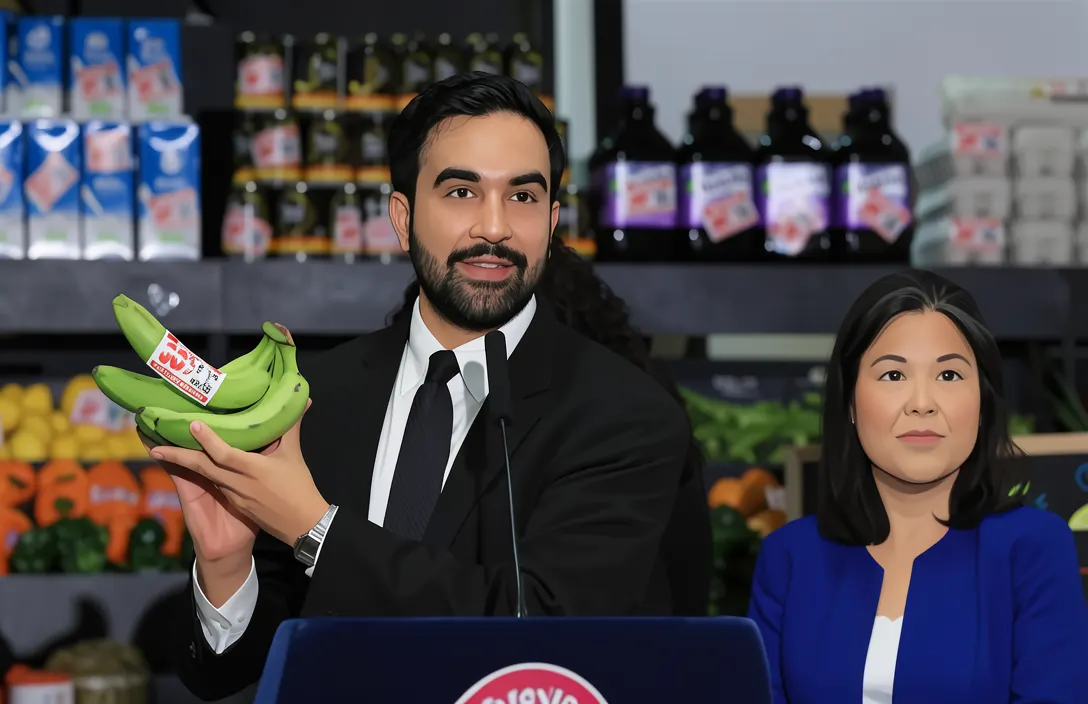
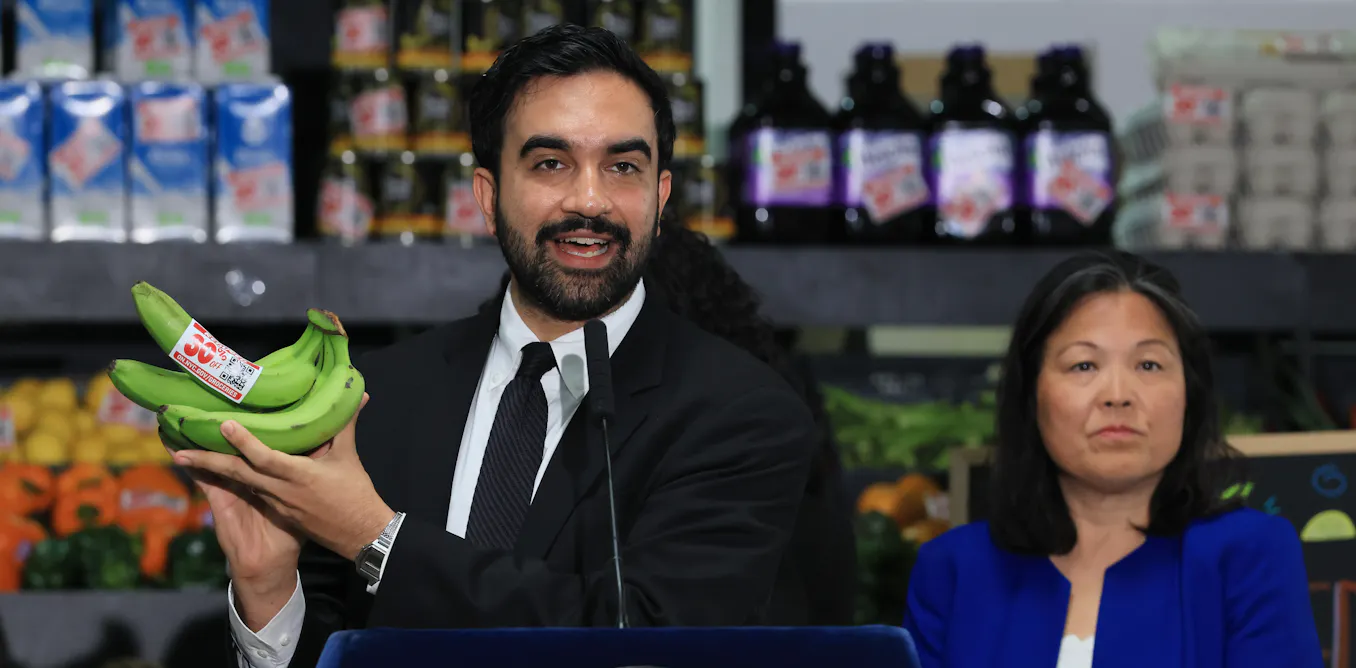
Mayor Zohran Mamdani announced during a public event in Brooklyn that all five city-run grocery stores will offer a 30% discount on a core set of essential goods, including fresh produce, meat, seafood, cheese, milk, and bread. This discount will be applied monthly, ensuring consistent savings for shoppers without weekly fluctuations or unexpected price increases. The initiative is part of the city's broader effort to combat rising food costs and improve affordability for residents (source ID: 3). [3]
The discount is intended to provide significant savings for New Yorkers, with an estimated $90 saved per month on grocery bills, or over $1,000 annually. This savings is expected to help families make more affordable choices and reduce the financial burden of feeding their households. The mayor emphasized that no exceptions or gimmicks will be involved, ensuring that the 30% discount applies uniformly to all shoppers (source ID: 3). [3]
To implement the program, the city is issuing a request for proposals (RFP) to private operators who will manage the day-to-day operations of the grocery stores. The city has allocated $70 million in capital funding for the development of these stores, which will be located on city-owned properties to reduce overhead costs. The initiative is part of a broader effort to make government more visible in providing essential services and to ensure that public investment directly benefits residents (source ID: 2). [2]
Mayor Zohran Mamdani announced in May 2026 that New York City is moving forward with a plan to open five city-run grocery stores, with the first store set to open in the Hunts Point neighborhood of the South Bronx in 2027 (source 1). The initiative, which includes a $70 million investment, aims to provide affordable access to essential goods such as fresh produce, meat, seafood, cheese, milk, and bread at 30% below typical retail prices (source 3). The city is issuing a request for proposals (RFP) to private operators who will manage the day-to-day operations of the stores, ensuring that they meet affordability standards (source 2). [1] [2] [3]
Advertisement
The initiative has faced opposition from independent grocers, supermarket trade associations, and a coalition representing immigrant-owned food businesses, who argue that city-run alternatives could undercut their businesses (source 1). Critics, including some immigrant grocery store owners, warn that the new stores may draw away customers and negatively impact existing businesses, particularly in lower-income neighborhoods (source 1). However, the city has emphasized that the stores will be open to all and that the program is intended to provide a 'public option' alongside private alternatives, offering a visible benchmark for food prices and service quality (source 1). [1]
The city has selected The Peninsula in the Bronx as the second site for the municipal grocery store program, with the store expected to open in 2027 and serve as an economic anchor for the South Bronx community (source 2). The store will be located on the site of the former Spofford Juvenile Detention Facility, which is being redeveloped into a mixed-use campus that includes affordable housing, public open space, and other community amenities (source 2). The city has also launched a portal to identify potential locations for future stores in Brooklyn, Queens, and Staten Island (source 2). [2]
Mayor Zohran Mamdani announced during a public event in Brooklyn that all five city-run grocery stores will offer a 30% discount on a core set of essential goods, including fresh produce, meat, seafood, cheese, milk, and bread (source 3). The discount is intended to provide significant savings for New Yorkers, with an estimated $90 saved per month on grocery bills, or over $1,000 annually. The initiative is part of a broader affordability agenda aimed at ensuring that all New Yorkers have access to affordable, fresh food in their neighborhoods. This program is expected to be implemented through a request for proposals (RFP) to private operators who will manage the day-to-day operations of the grocery stores (source 3). [3]
The city is investing $70 million to develop these stores, which will be open to all residents and will be managed by private operators. However, the city will provide rent-free space, prioritize publicly owned sites, and ensure that essential foods are priced 30% below typical retail prices (source 1). This approach is modeled after public options in other sectors, such as public schools and hospitals, and aims to create a visible alternative for shoppers to compare against private retailers. The city has already selected The Peninsula in the Bronx as the second site for the municipal grocery store program, with the store expected to open in 2027 (source 2). [1] [2]
Advertisement
The initiative has faced opposition from independent grocers, supermarket trade associations, and a coalition representing immigrant-owned food businesses, who argue that city-run alternatives could undercut their businesses (source 1). Critics have raised concerns about the impact of these stores on existing small businesses, particularly those owned by immigrant entrepreneurs who operate on thin margins. However, the city has emphasized that the program is designed to ensure that private operators deliver excellent service and real savings, while also providing good working conditions and tracking effects on nearby businesses (source 1). [1]
Sources
The Conversation – Articles (US)
Prepared with AI assistance from the cited sources.
The Cali Reporter newsletter
The stories worth your time.
California, the country, and what comes next. Join our free newsletter for reporting that keeps you informed.
More in Explainers
- Crisis Communication During the 2026 Air Traffic Ground Stop
The Federal Aviation Administration's response to the Nov. 13, 2026, ground stop highlighted critical missteps in public reassurance, according to a crisis communications expert.
- El Niño's Health Risks and Global Impacts
As one of the most powerful El Niño events on record approaches, global health risks are increasing, particularly in regions already vulnerable to extreme weather. Early warnings and preparedness measures are critical…
- El Salvador's Military Expansion in Haiti Amid Gang Violence
El Salvador's President Nayib Bukele has escalated military operations in Haiti, marking a significant shift in the region's approach to combating gang violence. The intervention, which includes the deployment of…