El Niño's Health Risks and Global Impacts
As one of the most powerful El Niño events on record approaches, global health risks are increasing, particularly in regions already vulnerable to extreme weather. Early warnings and preparedness measures are critical…

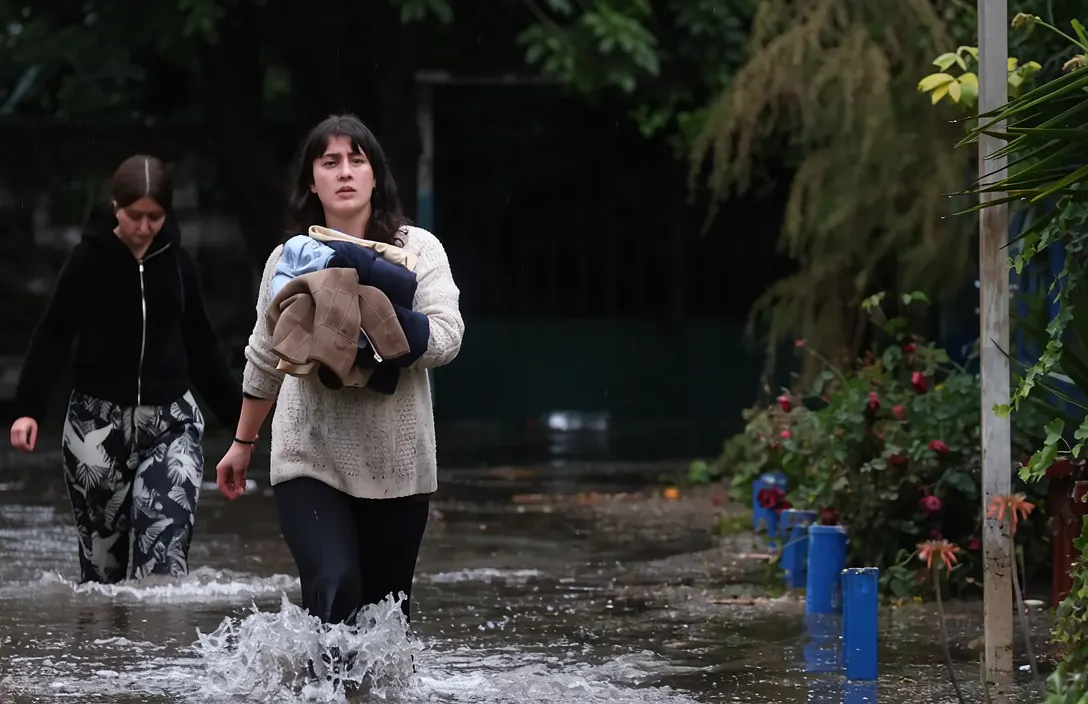
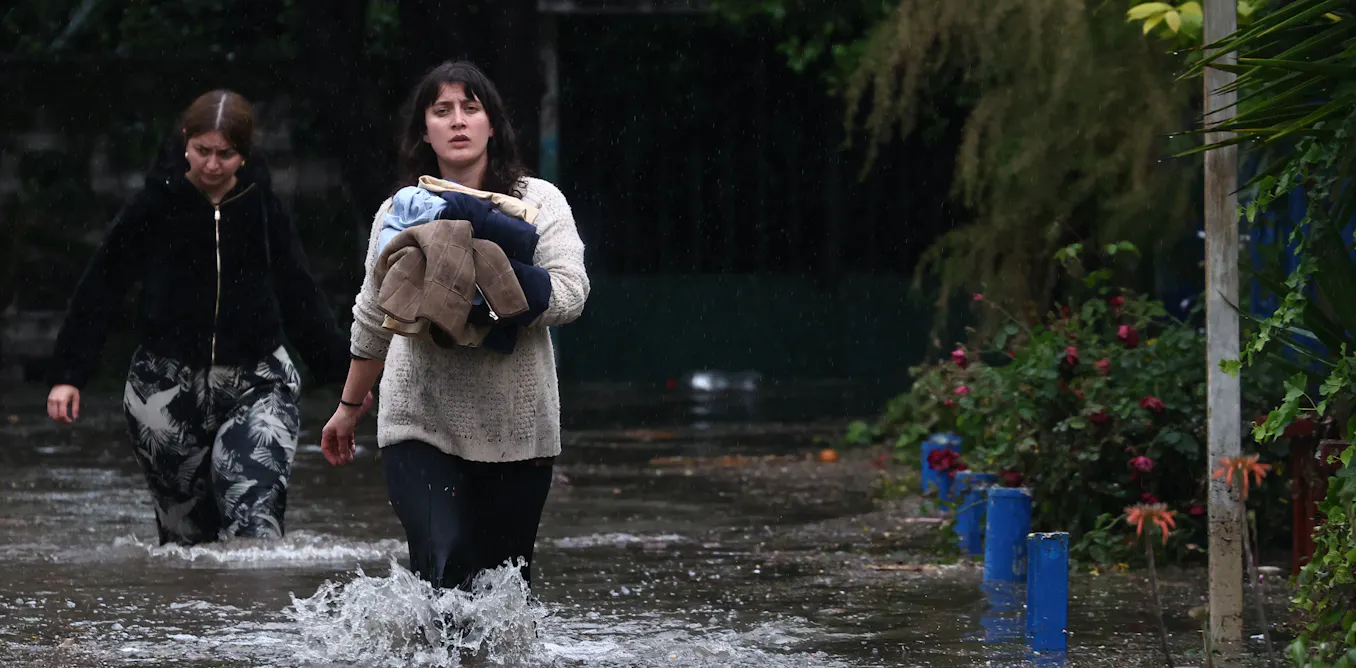
El Niño, a natural climate phenomenon, shifts global weather patterns and poses significant health risks. During El Niño years, global temperatures rise, triggering heat waves, flooding in normally dry regions, and droughts in typically wet areas. In southern Africa, for instance, forecasters warn of a rising risk of severe drought that could affect the 2026-27 growing season in key farming regions, while the Horn of Africa faces increased risks of flooding and mosquito-borne disease outbreaks. These conditions are expected to intensify as the El Niño event peaks in late 2026 (source ID: 1). [1]
The World Meteorological Organization (WMO) has reported that the current El Niño event could be unprecedented in strength, with sea surface temperatures in the tropical Pacific potentially rising to 3.8°C above average during November 2026 to January 2027. This will have far-reaching consequences for weather patterns, including increased risks of severe drought in some regions and heavy rainfall and flooding in others. The WMO emphasizes the importance of early warnings and preparedness to protect vulnerable populations (source ID: 2). [2]
In the Greater Horn of Africa, increased likelihood of wetter-than-normal conditions is expected during the October to December 2026 rainfall period, which is critical for the region's water and food security. However, excessive rainfall raises flood risks, potentially leading to loss of life, crop destruction, and disease outbreaks. The WMO and regional climate centers are working together to provide detailed forecasts and support anticipatory action to mitigate these impacts (source ID: 4). [4]
Droughts can affect areas ranging from a few hundred to millions of square miles across the United States, according to the CDC. These prolonged dry periods, often lasting from a single season to several decades, have historically impacted various regions differently based on factors such as water system infrastructure, local governance, and land use patterns. For example, rural areas may face more severe water shortages due to limited access to centralized water supply systems, while urban regions might experience challenges related to sanitation and increased air pollution from dust storms. The CDC highlights that climate change is expected to increase the frequency and intensity of drought in historically dry regions of the country, exacerbating existing vulnerabilities. [5]
Advertisement
The CDC outlines that severe drought conditions can lead to compromised drinking water quality, as reduced water levels in reservoirs and rivers can concentrate contaminants and reduce water availability. This issue is particularly acute in arid regions such as the Southwest, where prolonged drought has led to the depletion of groundwater sources. In addition, the health impacts of drought are multifaceted, including increased risks for respiratory illnesses due to particulate matter from wildfires and dust storms. These events are more common during drought, as dry vegetation and soil become more susceptible to ignition and erosion, respectively. [5]
Public health professionals are advised by the CDC to prepare for the health effects of drought through resources such as the National Integrated Drought Information System, which provides real-time data on drought conditions. The CDC also notes that drought can have long-term, indirect health impacts, such as mental health effects tied to economic downturns and job losses in agriculture-dependent communities. These communities, often located in regions like the Great Plains and the West, are particularly vulnerable due to reliance on consistent water supplies for both crop production and livestock. [5]
El Niño, a natural climate phenomenon, shifts global weather patterns and poses significant health risks. The World Meteorological Organization (WMO) has reported that the current El Niño event could be unprecedented in strength, with sea surface temperatures in the tropical Pacific potentially rising to 3.8°C above average during November 2026 to January 2027. In the Greater Horn of Africa, increased likelihood of wetter-than-normal conditions is expected during the October to December 2026 rainfall period, which is critical for the region's water and food security (source ID: 2). [2]
The health consequences of El Niño extend beyond immediate weather disruptions. Research has linked exposure to flooding, wildfire, and ecosystem changes with elevated risks of illnesses, psychological distress, and chronic stress. For example, floodwater can lead to infections such as hepatitis and cryptosporidium, while drought can lead to poor air quality and, in some places, malnutrition. These health impacts are compounded in vulnerable populations and require early warnings and preparedness measures (source ID: 1). [1]
Advertisement
Regional forecasts indicate that the Greater Horn of Africa is likely to experience wetter-than-normal conditions during the October to December 2026 rainfall period. This could lead to an increased risk of flooding and mosquito-borne disease outbreaks. The WMO has emphasized the need for anticipatory action to protect vulnerable communities, particularly in regions where humanitarian needs are already high. The increased rainfall is expected to improve pasture and water availability for livestock but also raises concerns about flood risks and the potential for disease outbreaks (source ID: 4). [4]
Sources
The Conversation – Articles (US)
Prepared with AI assistance from the cited sources.
The Cali Reporter newsletter
The stories worth your time.
California, the country, and what comes next. Join our free newsletter for reporting that keeps you informed.
More in Explainers
- Crisis Communication During the 2026 Air Traffic Ground Stop
The Federal Aviation Administration's response to the Nov. 13, 2026, ground stop highlighted critical missteps in public reassurance, according to a crisis communications expert.
- El Salvador's Military Expansion in Haiti Amid Gang Violence
El Salvador's President Nayib Bukele has escalated military operations in Haiti, marking a significant shift in the region's approach to combating gang violence. The intervention, which includes the deployment of…
- State Efforts to Tax the Rich in the 2026 Midterm Elections
Despite the failure of California’s Proposition 40, states across the U.S. have continued to explore and implement various strategies to increase revenue from high-income individuals and wealthy residents.