Chronic Inflammatory Enteropathy in Dogs: Management and Treatment Approaches
Chronic inflammatory enteropathy (CIE) in dogs is a complex condition requiring a multifaceted approach to diagnosis and treatment, as outlined in a recent veterinary article. Management strategies include dietary…

Chronic inflammatory enteropathy (CIE) in dogs involves complex interactions among diet, the intestinal microbiota, genetic susceptibility, and mucosal immune responses, as reported in a veterinary practice news article. The condition is classified into several phenotypes, including food-responsive enteropathy (FRE), immunosuppressant-responsive enteropathy (IRE), non-responsive enteropathy (NRE), and microbiota-related modulation-responsive enteropathy (MrMRE). Protein-losing enteropathy (PLE) and granulomatous colitis are distinct subtypes of CIE with different pathophysiological mechanisms. Since CIE is a diagnosis of exclusion, a thorough history and diagnostic evaluation are essential for accurate treatment recommendations (source ID: 1). [1]
Dietary modification is a cornerstone treatment for CIE in dogs, with 38-89 percent of dogs with CIE responding to food-responsive enteropathy (FRE) management. Various macronutrient manipulations, including highly digestible, hydrolyzed protein, limited ingredient, novel protein, elemental protein, and ultra-low fat-restricted diets, have been used effectively. A 64-89 percent remission rate has been reported with hydrolyzed protein diets in referral practice, with significant clinical improvements often seen within two weeks of an appropriate dietary change (source ID: 1). [1]
Antibiotics such as metronidazole, tylosin, oxytetracycline, and rifampin have historically been used for immediate symptomatic relief in CIE, although they may lead to short relapse rates and intestinal dysbiosis. The use of prebiotics, probiotics, synbiotics, or fecal microbiota transplantation (FMT) is now considered as part of antimicrobial stewardship. Studies have shown that synbiotics can improve intestinal barrier function and reduce fecal calprotectin and serum CRP concentrations in dogs with CIE (source ID: 1). [1]
Immunomodulatory therapy is often initiated in dogs with idiopathic CIE when dietary trials and microbiota-modulating therapeutics fail. Corticosteroids such as prednisone or prednisolone are typically used at an induction dose of 1-2 mg/kg/day for two to three weeks, with dose reduction performed if clinical remission is achieved. Secondary immunosuppressive medications like cyclosporine or chlorambucil may be considered if relapse occurs on lower doses of corticosteroids (source ID: 1). [1]
Advertisement
Chronic inflammatory enteropathy (CIE) in dogs is managed at veterinary specialty hospitals, including South Carolina Veterinary Specialists and Emergency Care in Columbia, S.C., where Dr. Kasey Mabry, a small animal internal medicine specialist, practices. The condition is diagnosed and treated through a stepwise approach, which is commonly implemented in referral veterinary practices across the United States. This approach includes dietary trials, microbiota modulation, and immunomodulatory therapy, reflecting the complexity of CIE and its varied subtypes, such as food-responsive enteropathy (FRE) and immunosuppressant-responsive enteropathy (IRE). The use of biopsies, particularly via endoscopy (esophagogastroduodenoscopy or ileocolonoscopy), is a common diagnostic procedure in these settings, especially when the disease does not respond to initial dietary modifications or antibiotic trials. [1]
The dietary management of CIE in dogs often involves the use of hydrolyzed protein diets, which have shown remission rates between 64-89 percent in referral veterinary practices. These diets are typically used as the first-line treatment, especially for dogs with food-responsive enteropathy (FRE). The dietary fat content is strictly controlled, particularly in dogs with protein-losing enteropathy (PLE), where fat restriction is often limited to less than 30 g fat per Mcal of metabolizable energy (ME), with an ideal target of less than 26 g fat per Mcal ME. In more severe cases, such as refractory PLE or marked intestinal lymphangiectasia, ultra-low-fat diets (dietary fat < 15 g fat/Mcal ME) may be prescribed, though these require the involvement of a board-certified veterinary nutritionist to ensure essential fatty acid balance. [1]
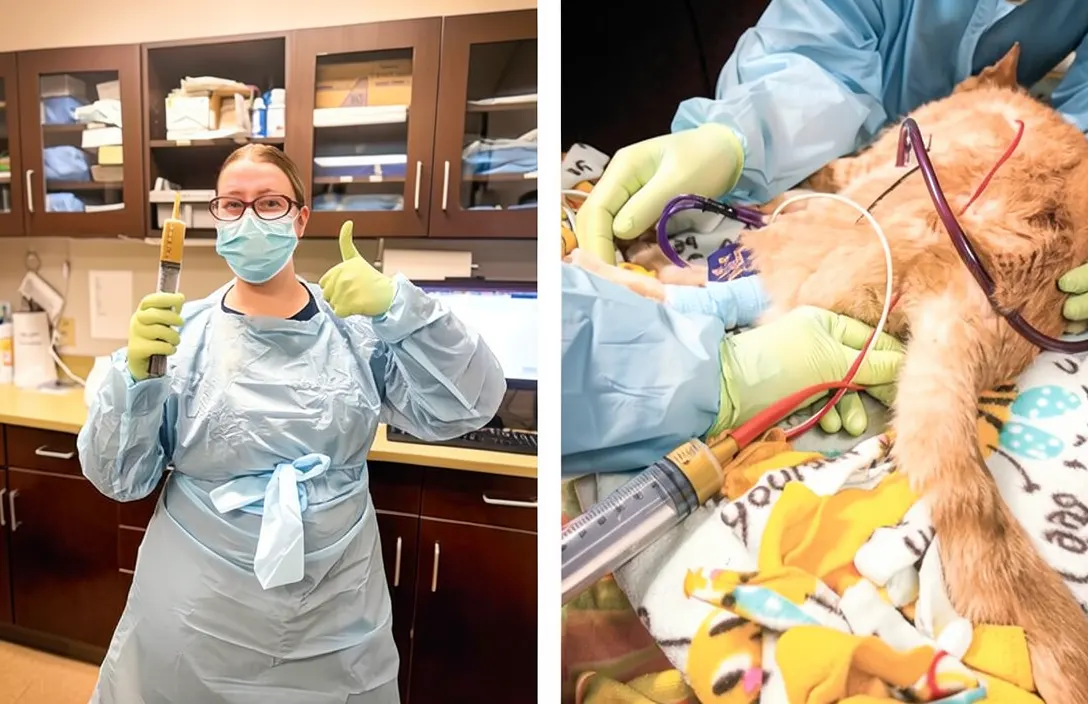
Fecal microbiota transplantation (FMT) is an emerging treatment modality for dogs with chronic inflammatory enteropathy (CIE), particularly those that are refractory to conventional therapies. FMT can be administered through various techniques, including colonic retention enemas, feeding tubes (e.g., nasogastric, esophagostomy, percutaneous endoscopy gastrostomy, gastrostomy tubes), endoscopic delivery, or oral capsules (fresh frozen or lyophilized). The effectiveness of FMT varies, with some studies reporting improved canine chronic enteropathy activity index (CCEAI) scores in up to 86 percent of dogs receiving a single FMT or 74 percent receiving freeze-dried oral FMT capsules. These procedures are often performed in referral veterinary hospitals equipped with the necessary tools and expertise, such as those using AmendPet's FMT processing device, which standardizes the preparation of stool samples into delayed release oral capsules. [1]
Sources
Prepared with AI assistance from the cited sources.
The Cali Reporter newsletter
The stories worth your time.
California, the country, and what comes next. Join our free newsletter for reporting that keeps you informed.
More in Pets & Animals
- Veterinary Professionals and the Impact of Work Habits on Aging
This article explores the potential long-term health effects of common work habits in veterinary medicine, including inadequate sleep, poor nutrition, and insufficient exercise.
- Petsgiving Gets Its Own Day
WUF World and Best Friends Animal Society have launched a new annual event called Petsgiving, which takes place on the Sunday before Thanksgiving, starting November 22, 2026, to celebrate pets and promote shelter…
- Aging Pets and Cognitive Decline
As pets age, their brains undergo significant changes that mirror human neurodegenerative diseases, leading to cognitive decline often mistaken for normal aging.