Aging Pets and Cognitive Decline
As pets age, their brains undergo significant changes that mirror human neurodegenerative diseases, leading to cognitive decline often mistaken for normal aging.

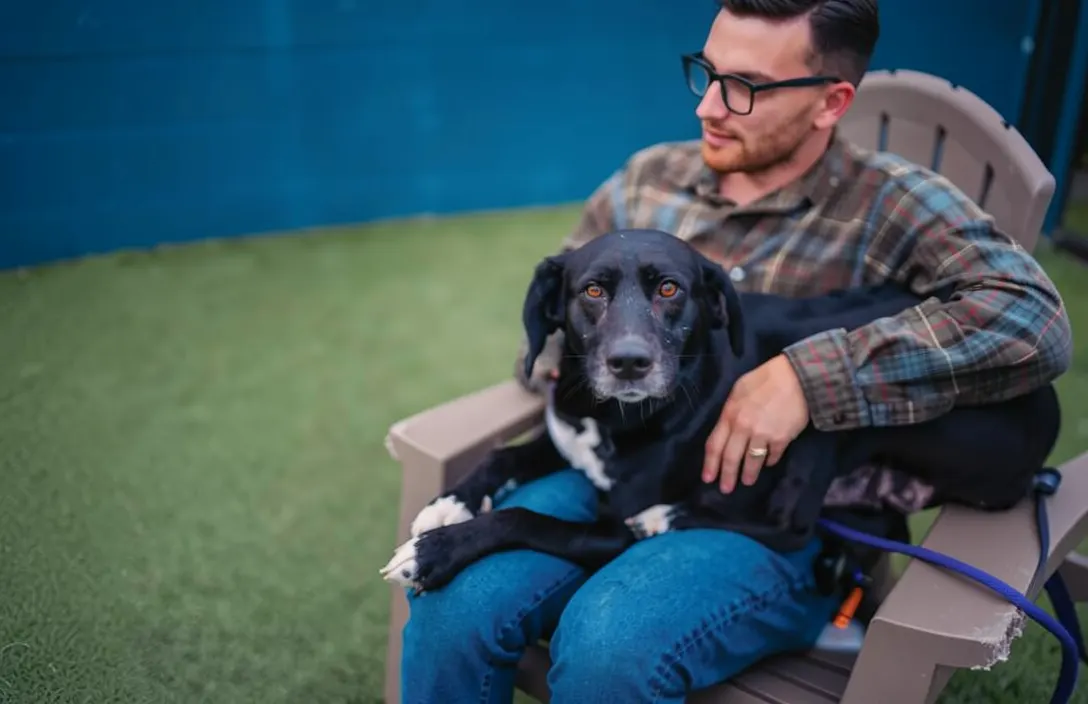
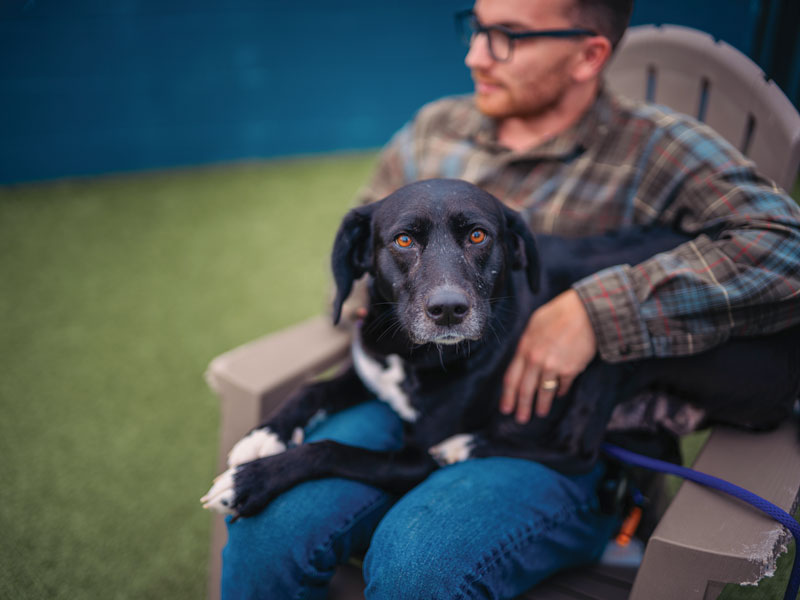
As pets age, their brains undergo profound physical and chemical changes that fundamentally affect their thinking, memory, and behavior (Evidence 1). The core process in the aging pet brain is neurodegeneration, which closely mirrors Alzheimer's disease (AD) pathology through the hallmark deposition of toxic amyloid-beta (Aβ) plaques and—particularly in cats—neurofibrillary tangles. These tangles are made up of clumps of tau protein that accumulate in neurons. In healthy neurons, tau proteins help stabilize neuronal microtubules, but in diseases such as AD and in aging cats, the tau protein becomes hyperphosphorylated and forms tangles, disrupting normal cell function. [1]
These proteinopathies initiate a cascade involving chronic cellular stress and dysfunction. Specifically, there is mitochondrial dysfunction, leading to energy deficits (hypometabolism) and increased oxidative stress in neurons critical for cognitive function. This damage is exacerbated by persistent neuroinflammation (gliosis), in which activated microglia and astrocytes release cytotoxic cytokines, thereby accelerating neuronal death (Evidence 1). Ultimately, these biological insults cause widespread synaptic loss, gross structural changes such as cerebral atrophy—especially in the cortex and hippocampus—and depletion of key neurotransmitters like acetylcholine. [1]
The high interdependency between cognition and other age-related challenges in senior pets can establish a cycle of decline that can result in changes to the pet's quality of life. The chronic presence of pain, from osteoarthritis (OA), for example, can act as a profound stressor, driving systemic inflammation that accelerates neurodegeneration (Evidence 1). This peripheral inflammation introduces circulating pro-inflammatory cytokines into the brain, directly exacerbating the core pathology of CDS. Conversely, cognitive impairment itself can actively worsen physical conditions; for example, a disoriented pet may forget the location of resources or be unable to navigate its environment effectively. [1]
As pets age, their brains undergo profound physical and chemical changes that fundamentally affect their thinking, memory, and behavior (Evidence 1). The core process in the aging pet brain is neurodegeneration, which closely mirrors Alzheimer's disease (AD) pathology through the hallmark deposition of toxic amyloid-beta (Aβ) plaques and—particularly in cats—neurofibrillary tangles. These tangles are made up of clumps of tau protein that accumulate in neurons. In healthy neurons, tau proteins help stabilize neuronal microtubules, but in diseases such as AD and in aging cats, the tau protein becomes hyperphosphorylated and forms tangles, disrupting normal cell function. [1]
Advertisement
These proteinopathies initiate a cascade involving chronic cellular stress and dysfunction. Specifically, there is mitochondrial dysfunction, leading to energy deficits (hypometabolism) and increased oxidative stress in neurons critical for cognitive function. This damage is exacerbated by persistent neuroinflammation (gliosis), in which activated microglia and astrocytes release cytotoxic cytokines, thereby accelerating neuronal death. Ultimately, these biological insults cause widespread synaptic loss, gross structural changes such as cerebral atrophy—especially in the cortex and hippocampus—and depletion of key neurotransmitters like acetylcholine. [1]
The high interdependency between cognition and other age-related challenges in senior pets can establish a cycle of decline that can result in changes to the pet's quality of life. The chronic presence of pain, from osteoarthritis (OA), for example, can act as a profound stressor, driving systemic inflammation that accelerates neurodegeneration. This peripheral inflammation introduces circulating pro-inflammatory cytokines into the brain, directly exacerbating the core pathology of cognitive dysfunction syndrome (CDS). [1]
As pets age, their brains undergo profound physical and chemical changes that fundamentally affect their thinking, memory, and behavior (Evidence 1). The core process in the aging pet brain is neurodegeneration, which closely mirrors Alzheimer's disease (AD) pathology through the hallmark deposition of toxic amyloid-beta (Aβ) plaques and—particularly in cats—neurofibrillary tangles. These tangles are made up of clumps of tau protein that accumulate in neurons. In healthy neurons, tau proteins help stabilize neuronal microtubules, but in diseases such as AD and in aging cats, the tau protein becomes hyperphosphorylated and forms tangles, disrupting normal cell function. These proteinopathies initiate a cascade involving chronic cellular stress and dysfunction. [1]
The high interdependency between cognition and other age-related challenges in senior pets can establish a cycle of decline that can result in changes to the pet's quality of life. The chronic presence of pain, from osteoarthritis (OA), for example, can act as a profound stressor, driving systemic inflammation that accelerates neurodegeneration. This peripheral inflammation introduces circulating pro-inflammatory cytokines into the brain, directly exacerbating the core pathology of cognitive dysfunction syndrome (CDS). Conversely, cognitive impairment itself can actively worsen physical conditions; for example, a disoriented pet may forget the location of resources or be unable to navigate its environment effectively. [1]
Advertisement
Limited mobility leads to a sedentary lifestyle, reducing the environmental enrichment necessary to maintain synaptic plasticity and brain health. Sensory deficits frequently cause confusion and anxiety, mimicking or amplifying the behavioral signs of CDS. Therefore, effectively managing age-related issues such as pain and immobility is not merely supportive care but a critical intervention to slow the progression of cognitive decline and improve overall well-being for pets as they age. [1]
As pets age, their brains undergo profound physical and chemical changes that fundamentally affect their thinking, memory, and behavior (Evidence 1). The core process in the aging pet brain is neurodegeneration, which closely mirrors Alzheimer's disease (AD) pathology through the hallmark deposition of toxic amyloid-beta (Aβ) plaques and—particularly in cats—neurofibrillary tangles. These tangles are made up of clumps of tau protein that accumulate in neurons. In healthy neurons, tau proteins help stabilize neuronal microtubules, but in diseases such as AD and in aging cats, the tau protein becomes hyperphosphorylated and forms tangles, disrupting normal cell function. [1]
These proteinopathies initiate a cascade involving chronic cellular stress and dysfunction. Specifically, there is mitochondrial dysfunction, leading to energy deficits (hypometabolism) and increased oxidative stress in neurons critical for cognitive function. This damage is exacerbated by persistent neuroinflammation (gliosis), in which activated microglia and astrocytes release cytotoxic cytokines, thereby accelerating neuronal death. Ultimately, these biological insults cause widespread synaptic loss, gross structural changes such as cerebral atrophy—especially in the cortex and hippocampus—and depletion of key neurotransmitters like acetylcholine. These cumulative deficits manifest clinically as confusion, memory loss, and altered behaviors characteristic of cognitive dysfunction syndrome (CDS). [1]
The high interdependency between cognition and other age-related challenges in senior pets can establish a cycle of decline that can result in changes to the pet's quality of life. The chronic presence of pain, from osteoarthritis (OA), for example, can act as a profound stressor, driving systemic inflammation that accelerates neurodegeneration. This peripheral inflammation introduces circulating pro-inflammatory cytokines into the brain, directly exacerbating the core pathology of CDS. Conversely, cognitive impairment itself can actively worsen physical conditions; for example, a disoriented pet may forget the location of resources or be unable to navigate its environment effectively. [1]
Advertisement
The Cali Reporter newsletter
The stories worth your time.
California, the country, and what comes next. Join our free newsletter for reporting that keeps you informed.
More in Pets & Animals
- Veterinary Professionals and the Impact of Work Habits on Aging
This article explores the potential long-term health effects of common work habits in veterinary medicine, including inadequate sleep, poor nutrition, and insufficient exercise.
- Petsgiving Gets Its Own Day
WUF World and Best Friends Animal Society have launched a new annual event called Petsgiving, which takes place on the Sunday before Thanksgiving, starting November 22, 2026, to celebrate pets and promote shelter…
- Chronic Inflammatory Enteropathy in Dogs: Management and Treatment Approaches
Chronic inflammatory enteropathy (CIE) in dogs is a complex condition requiring a multifaceted approach to diagnosis and treatment, as outlined in a recent veterinary article. Management strategies include dietary…