WWII Shopkeeper's Heroism Uncovered Decades Later
A British shopkeeper's acts of bravery during World War II have come to light, thanks to her niece's efforts to uncover her past. The story reveals the risks she took to aid Allied commandos in Nazi-occupied Guernsey.

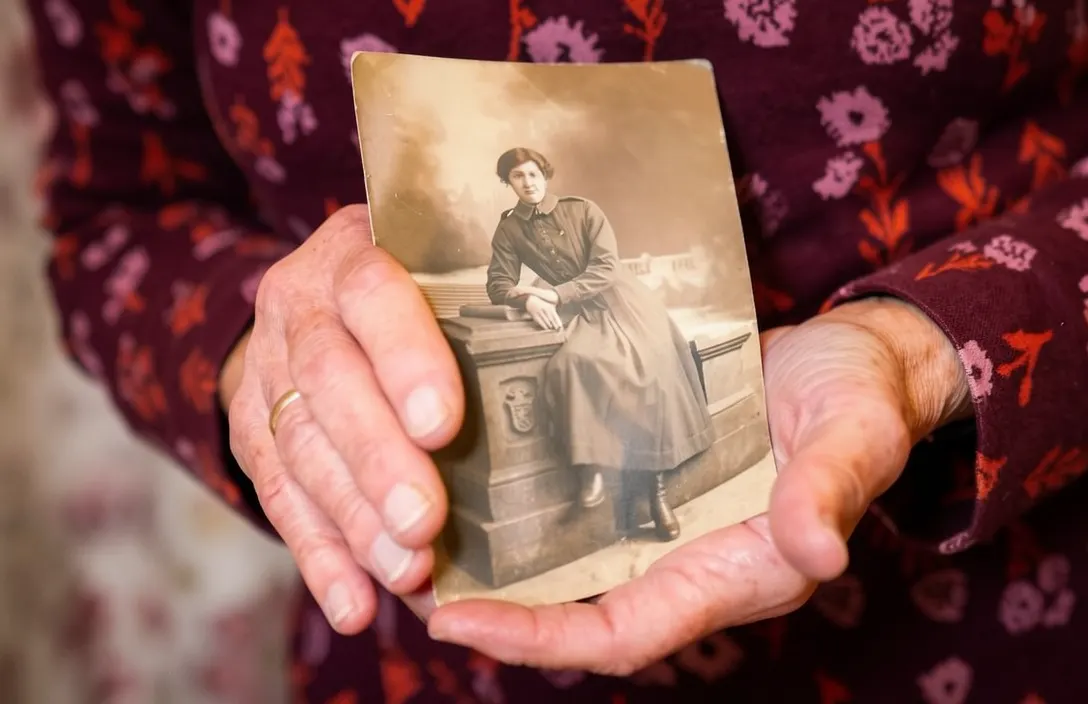
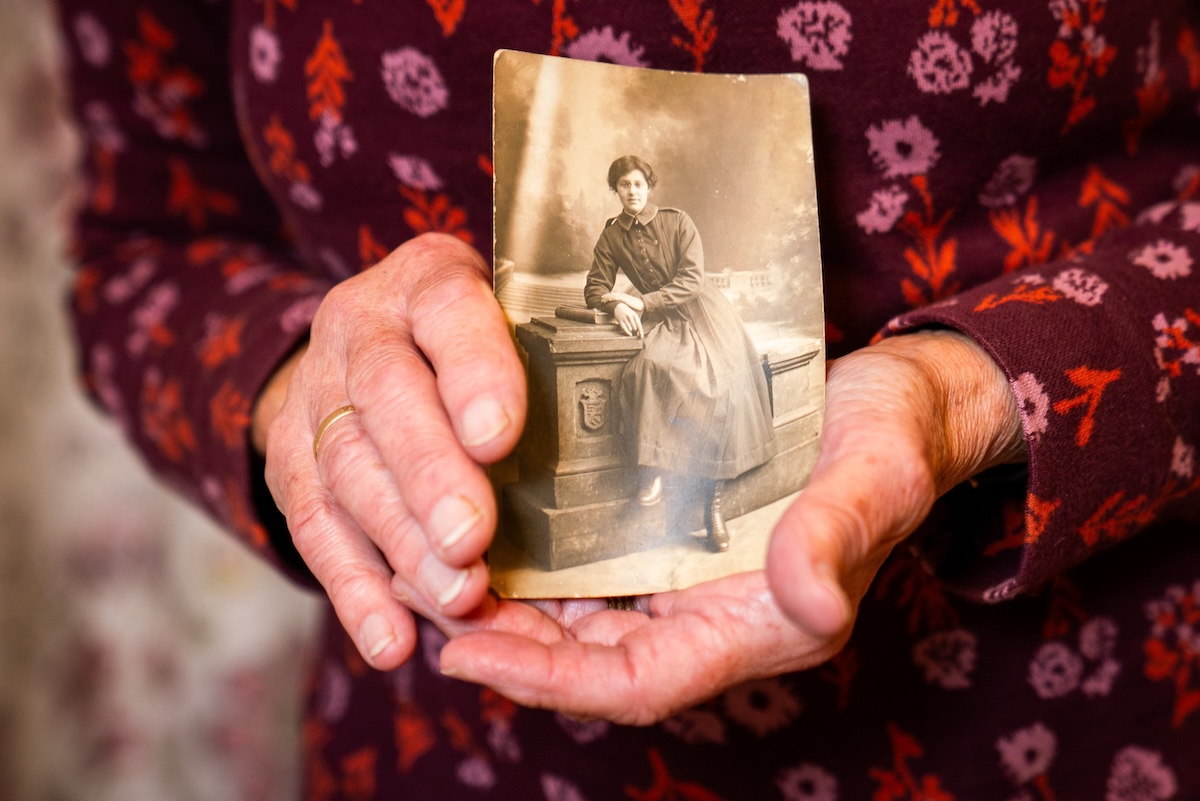
Ada Le Poidevin and her husband, Walter Bourgaize, lived in Nazi-occupied Guernsey in 1940, a time when the Channel Islands were under German control. In July of that year, three British soldiers—Corporal Dennis Dumper, Private Fred Drain, and Private Andrew Ross—were stranded on the island without food or shelter. Despite the German soldiers billeted next door, Le Poidevin and Bourgaize hid the soldiers in their garden shed. This act of resistance carried severe risks, as discovered individuals could be sent to concentration camps (source ID: 1). [1]
The soldiers eventually surrendered to the Nazis and were taken as prisoners of war, but all three survived the conflict. After the war, they remained in contact with Le Poidevin and Bourgaize, visiting Guernsey and attending their 50th wedding anniversary celebration. The story was uncovered by Liz Walton, Le Poidevin’s niece, who used photographs, diaries, and records on Ancestry.com to piece together her aunt’s wartime contributions. Walton emphasized the "huge risks" involved in Le Poidevin’s actions during the war (source ID: 1). [1]
Le Poidevin’s heroism was not limited to World War II. In World War I, she volunteered for the Salvation Army in France at the age of 22, supporting British troops in areas like Abbeville and Amiens, where camps were frequently under enemy fire. She provided refreshments, wrote letters, and mended clothes for soldiers, despite the heavy shell damage to the camps she worked in. After the war, she contracted Spanish flu but recovered and continued her work with the Salvation Army’s Graves Visitation Service (source ID: 1). [1]
Ada Le Poidevin, born in Guernsey in 1895, volunteered for the Salvation Army in France in 1917 during World War I, despite the dangers of enemy fire and heavy shelling. She supported British troops by providing refreshments, writing letters, and mending their clothes in areas such as Abbeville and Amiens, where fighting was intense. The camps she worked in came under fire on multiple occasions and suffered significant damage (1). [1]
Advertisement
After World War I, Le Poidevin contracted Spanish flu and was hospitalized in Wimereux, near Boulogne, but eventually recovered. She later worked with the Salvation Army’s Graves Visitation Service for four years, helping bereaved families travel to France to visit the graves of loved ones killed in the war. When families could not make the journey, she visited soldiers’ graves on their behalf, leaving bouquets, taking photographs, and pressing flowers to send home to their relatives (1). [1]
Le Poidevin returned to Guernsey in 1923 and married Walter Bourgaize five years later. The couple ran Torteval Stores together, living modestly in a small, rented house without electricity, mains water, or proper drainage for much of their lives. Despite these challenges, Ada was known for her kindness, caring nature, and dedication to helping others (1). [1]
Liz Walton, Ada’s niece, uncovered the details of her aunt’s wartime contributions through a collection of photographs, diaries, and records on Ancestry.com. Walton emphasized the risks Ada faced during both wars, noting that people were being sent to concentration camps and were terrified of being caught. Ada’s story, once unknown to most, has now been brought to light, revealing the significant role women played in both World Wars (1). [1]
Ada Le Poidevin and her husband, Walter Bourgaize, lived in Nazi-occupied Guernsey in 1940, a time when the Channel Islands were under German control. In July of that year, three British soldiers remained stranded on the island without food or shelter. Despite German soldiers being billeted next door to the married couple, Le Poidevin and Bourgaize stepped in to help the trio, hiding Corporal Dennis Dumper, Private Fred Drain, and Private Andrew Ross in their garden shed (1). Were their act of resistance discovered, the consequences would have been severe. Dumper, Drain, and Ross eventually realized they had little choice but to surrender to the Nazis and were taken as prisoners of war — but thankfully, all three survived the conflict (1). [1]
Advertisement
After the war, the soldiers remained close to the people who’d sacrificed their safety for them, regularly returning to Guernsey to visit and even attending their 50th wedding anniversary celebration (1). The touching story has come to light courtesy of 79-year-old Liz Walton, who used a treasure trove of photographs and diaries alongside records on Ancestry.com to match her aunt’s personal accounts and keepsakes with official wartime records (1). Walton emphasized the “huge risks” involved with the courageous act. “People were being sent off to concentration camps,” she told SWNS (1). [1]
This wasn’t the first time Le Poidevin had put herself in danger in a time of war. She spent two years supporting British troops in France during World War I, where camps she worked in came under enemy fire and suffered heavy shell damage, an experience not many people in her life knew about (1). Le Poidevin was born in Guernsey in 1895 and volunteered for the Salvation Army in France in 1917, while still in her early 20s (1). During the years she spent in British camps overseas, she supported soldiers by providing them refreshments, writing letters for them, and mending their clothes (1). [1]
Ada Le Poidevin and her husband, Walter Bourgaize, lived in Nazi-occupied Guernsey in 1940, a time when the Channel Islands were under German control. In July of that year, a month after the German army took control of the island, three British soldiers remained stranded there without food or shelter. Despite German soldiers being billeted next door to the married couple, Le Poidevin and Bourgaize stepped in to help the trio, hiding Corporal Dennis Dumper, Private Fred Drain, and Private Andrew Ross in their garden shed (1). Were their act of resistance discovered, the consequences would have been severe. [1]
Dumper, Drain, and Ross eventually realized they had little choice but to surrender to the Nazis and were taken as prisoners of war — but thankfully, all three survived the conflict. After the war, they remained close to the people who’d sacrificed their safety for them, regularly returning to Guernsey to visit and even attending their 50th wedding anniversary celebration (1). This wasn’t the first time Le Poidevin had put herself in danger in a time of war. She spent two years supporting British troops in France during World War I, where camps she worked in came under enemy fire and suffered heavy shell damage (1). [1]
Advertisement
Le Poidevin was born in Guernsey in 1895 and volunteered for the Salvation Army in France in 1917, while still in her early 20s. During the years she spent in British camps overseas, she supported soldiers by providing them refreshments, writing letters for them, and mending their clothes (1). She traveled to areas like Abbeville and Amiens, where fighting was heavy, and the camps she worked in were on more than one occasion fired upon and badly damaged by shells (1). [1]
Sources
Prepared with AI assistance from the cited sources.
The Cali Reporter newsletter
The stories worth your time.
California, the country, and what comes next. Join our free newsletter for reporting that keeps you informed.
More in Good News
- Black Mapmaking as a Tool for Reclaiming History and Fighting Injustice
Black mapmakers and artists are using cartography to counteract historical erasure and combat systemic racism, as evidenced by various projects across the United States.
- Observing Animal Behavior in the Intertidal Zone
A biology professor shares insights on how paying attention to natural sounds and movements can reveal animal secrets, particularly in the intertidal zone.
- Grandfather Rescues Lost Toddler in Arizona Desert
An Arizona grandfather played a pivotal role in rescuing a missing toddler during a cold desert night, according to local news reports.