Observing Animal Behavior in the Intertidal Zone
A biology professor shares insights on how paying attention to natural sounds and movements can reveal animal secrets, particularly in the intertidal zone.

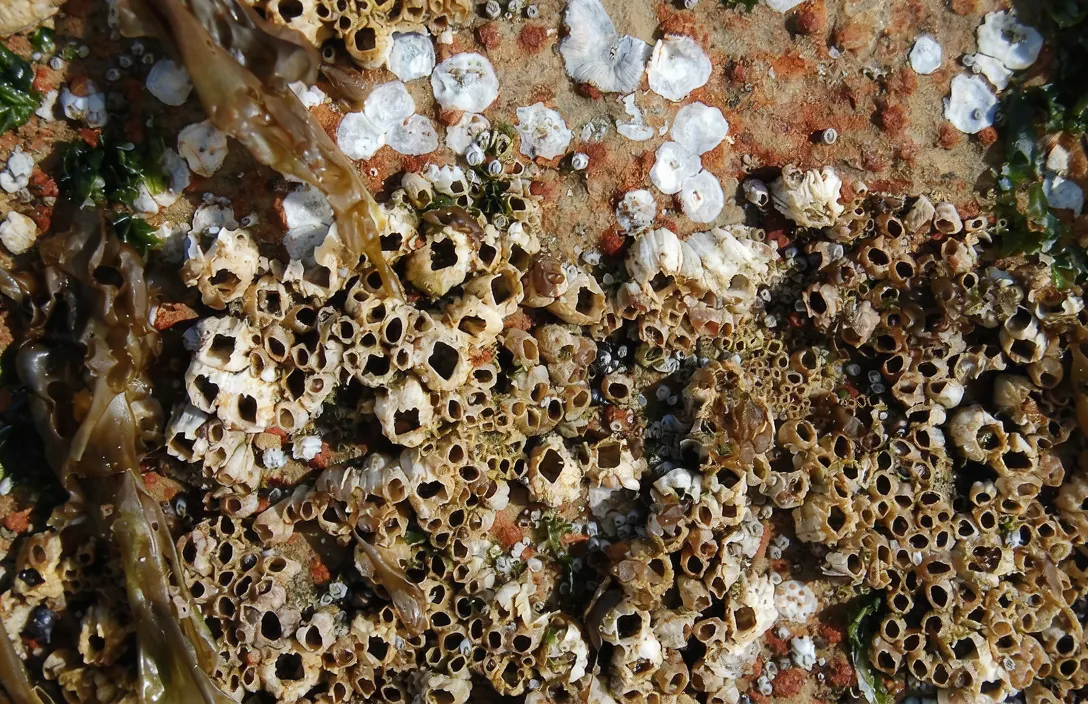
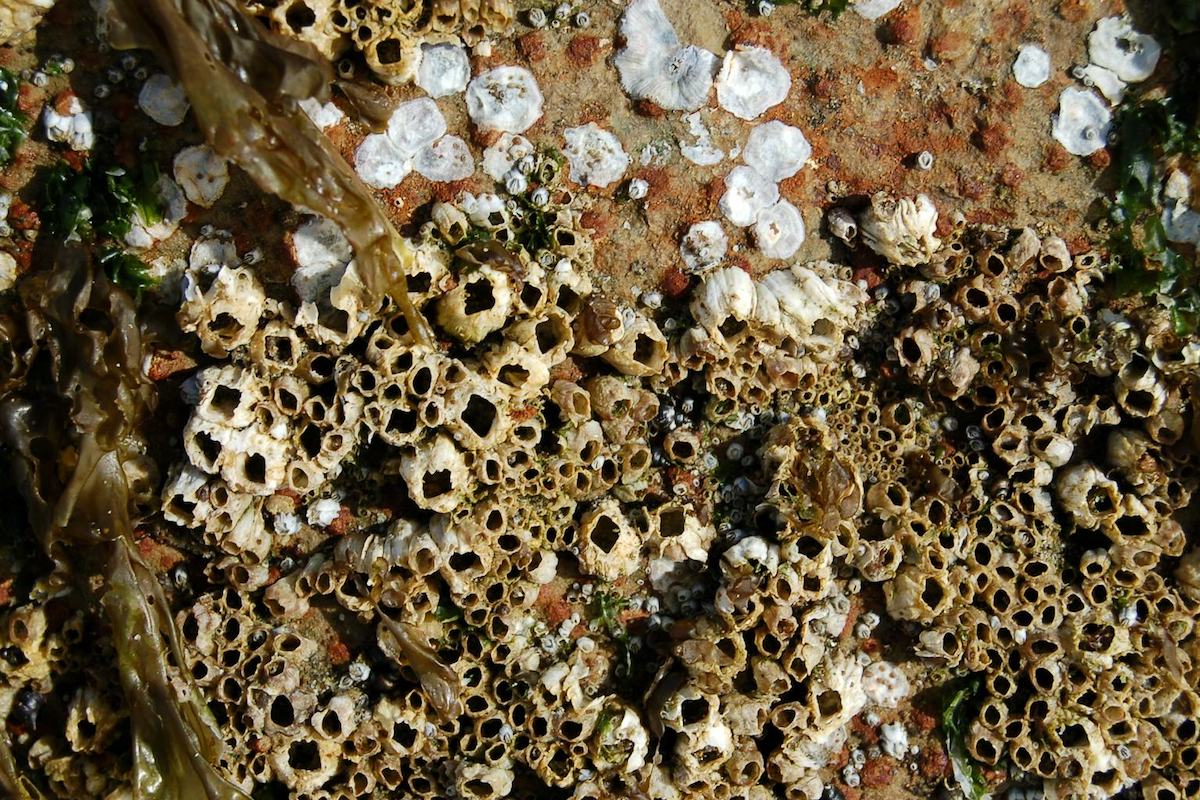
During a visit to Washington’s Olympic Peninsula, Phil Starks, an associate professor of biology at Tufts University, encountered an unusual experience at low tide at Tongue Point, where he heard a barnacle making a clicking sound. This observation, described in an article for The Conversation, illustrates how even common animals can reveal unexpected behaviors when closely observed. The article emphasizes the value of learning to notice details in the natural world, which requires patience and the ability to let ordinary things become interesting again (source ID 1). [1]
Starks describes his habit of becoming still and allowing his vision to soften while observing the intertidal zone, a habitat that experiences extreme environmental conditions such as temperature swings and desiccation. This approach enabled him to notice the soundscape and eventually focus on a single acorn barnacle that produced a repetitive popping sound. This experience highlights the importance of training oneself to observe and interpret the natural world with greater attention to detail (source ID 1). [1]
The intertidal zone, where the ocean meets the land, is divided into distinct areas, each with unique ecological features. This zone is home to a wide variety of marine life, including barnacles, mussels, crabs, and sea stars, which have adapted to survive in this dynamic environment. The Olympic Peninsula, in particular, is known for its biodiversity, as evidenced by the presence of species such as the Olympic marmot, which is found nowhere else on Earth (source ID 2). [2] [3]
During a visit to Washington’s Olympic Peninsula, Phil Starks, an associate professor of biology at Tufts University, encountered an unusual experience at low tide at Tongue Point, where he heard a barnacle making a clicking sound (source ID: 1). This observation occurred while he was exploring the intertidal zone, a habitat characterized by extreme environmental conditions such as temperature swings and desiccation. Starks describes his habit of becoming still and allowing his vision to soften while observing the intertidal zone, a practice that helps him notice subtle details in the environment. [1]
Advertisement
The intertidal zone, where the ocean meets the land, is divided into distinct areas, each with unique ecological features (source ID: 3). These zones include the spray zone, high intertidal zone, middle intertidal zone, and low intertidal zone. Each of these zones supports different types of marine life, with the high intertidal zone being home to hardy species such as barnacles, marine snails, mussels, limpets, shore crabs, and hermit crabs. The middle intertidal zone hosts a greater variety of both plants and animals, including sea stars and anemones. [3]
Starks' experience at Tongue Point demonstrates how paying close attention to the natural world can reveal unexpected phenomena (source ID: 1). While he initially attributed the clicking sound to small shore crabs or hermit crab shells, he eventually noticed the sound coming from a single acorn barnacle. This encounter highlights the importance of observation in scientific discovery and the need to remain open to new possibilities, even in familiar environments. [1]
The Olympic marmot (Marmota olympus) is exclusively found in the Olympic Mountains within Olympic National Park, making it an endemic species. These marmots inhabit mountain meadows above 4,000 feet, though they are rare in the wetter southwest areas of the park. Approximately 90 percent of their habitat is protected within the park, which plays a crucial role in their conservation. The species has experienced population declines in the 1990s and early 2000s, partly due to predation by non-native coyotes. More recently, marmots have also disappeared from some of the driest meadows in the northeast Olympic Mountains, prompting concerns about the effects of climate change on their survival. [2]
Olympic marmots are social animals, living in family groups that include one adult male, one or more adult females, and several young. These groups share home ranges of 1/2-acre to five acres. The species is known for its distinctive, sharp whistle, which serves as a warning call to alert others of potential predators or intruders. Marmots can weigh up to 15 pounds before hibernation, which they enter in September or early October. They emerge from hibernation in the spring, typically appearing in a range of coat colors, from dark gray to brown, yellow, tan, or even nearly black in the fall. [2]
Advertisement
The Olympic marmot's diet consists primarily of fresh, tender, flowering plants, such as lupine and glacier lilies. During May and June, they consume roots and may even gnaw on trees. These marmots can double their body weight during the summer months, relying on stored fat to survive their long hibernation period, which lasts seven to eight months. Their life history is characterized by a slow maturation process, with females not reaching reproductive maturity until age 3 or older, and the average age of first reproduction being 4.5 years. Only about 35% of reproductive-age females wean young in an average year, highlighting the species' vulnerability to population loss. [2]
To address conservation concerns, Olympic National Park initiated a volunteer monitoring program in 2010. This program involves teams of volunteers who record the presence or absence of marmots in various meadows throughout the park. The data collected by these volunteers is essential for tracking population trends and assessing the impacts of environmental changes on the species. The Olympic marmot's unique ecological role and its sensitivity to habitat alteration and climate change underscore the importance of such monitoring efforts in preserving this endemic species. [2]
Sources
Prepared with AI assistance from the cited sources.
The Cali Reporter newsletter
The stories worth your time.
California, the country, and what comes next. Join our free newsletter for reporting that keeps you informed.
More in Good News
- Black Mapmaking as a Tool for Reclaiming History and Fighting Injustice
Black mapmakers and artists are using cartography to counteract historical erasure and combat systemic racism, as evidenced by various projects across the United States.
- Grandfather Rescues Lost Toddler in Arizona Desert
An Arizona grandfather played a pivotal role in rescuing a missing toddler during a cold desert night, according to local news reports.
- Alaskan Barrier Islands Secured as Walrus Refuge
A significant conservation effort has ensured the protection of a unique walrus habitat in Alaska, providing a safe resting area for thousands of Pacific walrus.