Alaskan Barrier Islands Secured as Walrus Refuge
A significant conservation effort has ensured the protection of a unique walrus habitat in Alaska, providing a safe resting area for thousands of Pacific walrus.

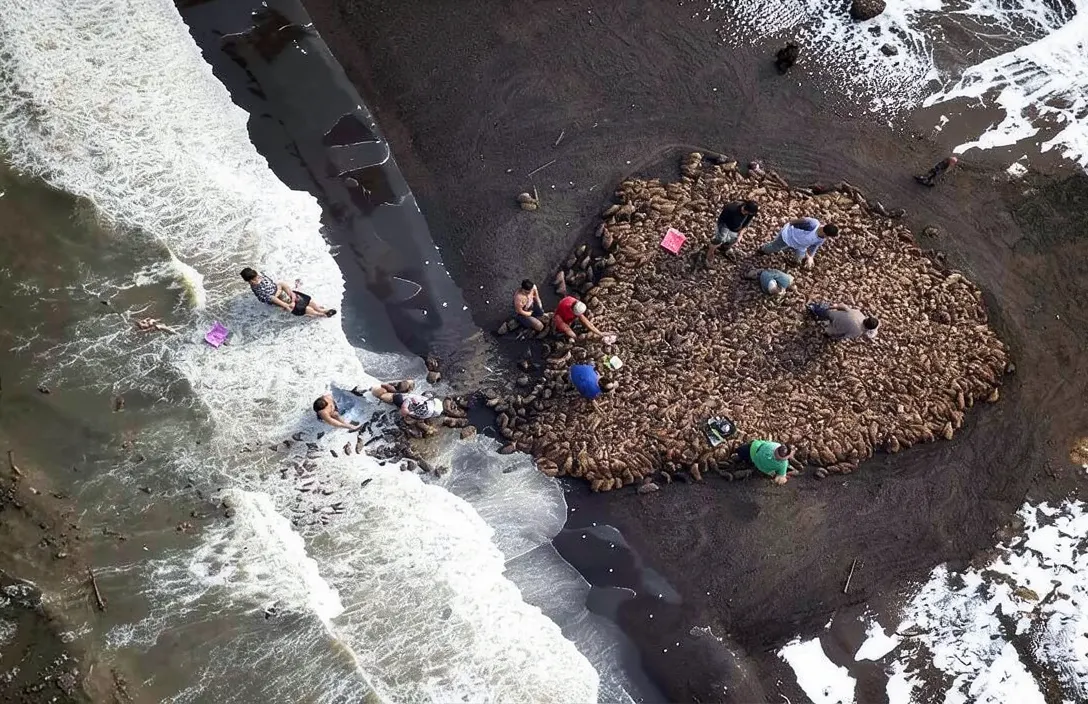
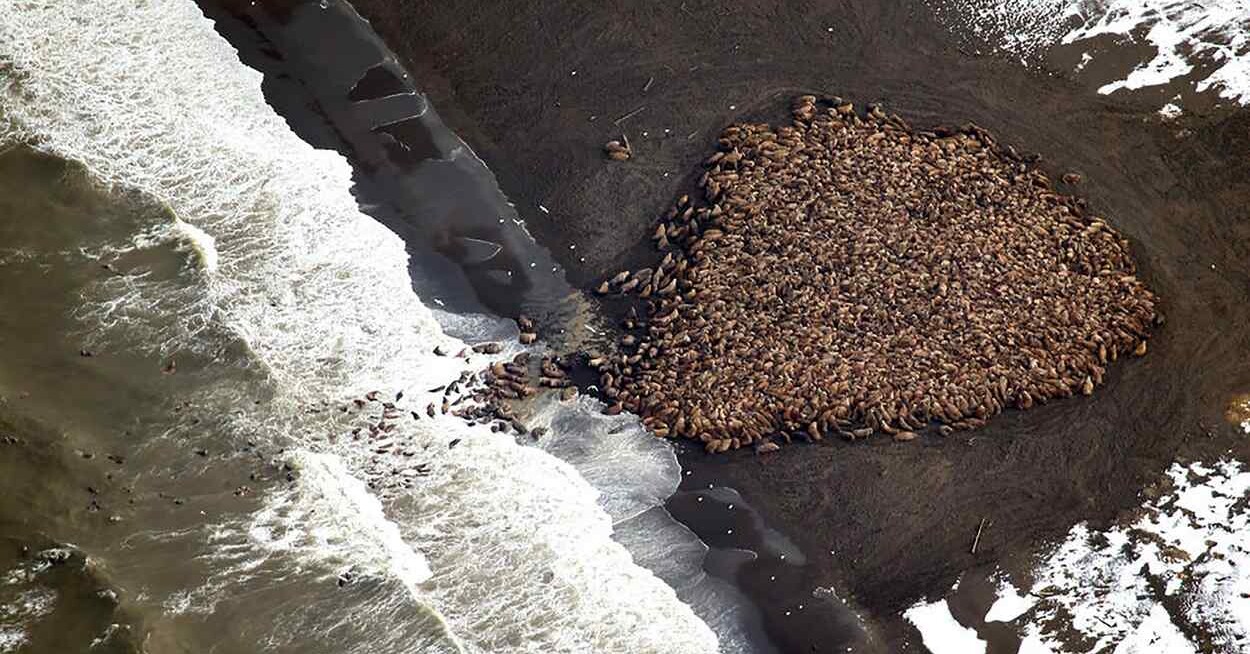
American conservationists have secured protections for a unique ecosystem along Alaska’s Bering Sea coastline, home to the largest concentrations of Pacific walrus in North America. The barrier islands off the coast of Point Lay, now part of a 47,000-acre protected area managed by the Interior Alaska Land Trust, provide a critical refuge for these marine animals (Good News Network, 1). This area also includes one of the largest, undiminished coastal lagoon systems in the world, which was protected in tandem with the islands (Good News Network, 1). [1]
The walrus migration patterns changed dramatically in 2007, when the animals began gathering on the barrier islands of Point Lay due to the declining consistency of Arctic sea ice. Every year, a quarter million Pacific walrus migrate north through the Bering Strait, with females and calves moving toward the shallow, nutrient-rich waters of the Chukchi Sea (Good News Network, 1). [1]
The new conservation easement, held by the Interior Alaska Land Trust, will enhance monitoring and stewardship to minimize disturbance to walrus and other wildlife as human activity in the Alaskan Arctic increases. Conservation Fund noted that encroachment from humans had already caused stampede events among resting walrus (Good News Network, 1). [1]
American conservationists have secured protections for a unique ecosystem along Alaska’s Bering Sea coastline, home to the largest concentrations of Pacific walrus in North America. The barrier islands off the coast of the tiny northern village of Point Lay provide a critical refuge for these marine megafauna, now ensconced within a 47,000-acre protected area (74 square miles) held by the Interior Alaska Land Trust (1). [1]
Advertisement
The walrus migration patterns changed dramatically in 2007, when the animals began gathering on the barrier islands of Point Lay due to the declining consistency of Arctic sea ice. Every year, a quarter million Pacific walrus would migrate north through the Bering Strait, with the males remaining out at sea and the females with their calves moving towards the shallow, nutrient-rich waters of the Chukchi Sea between Alaska and Russia (1). [1]
Historically, these animals relied on Arctic sea ice for resting spots, but by 2007 the ice had become inconsistent. One year, an estimated 200,000 walrus hauled themselves up onto the barrier islands of Point Lay, and they’ve returned every year ever since. That includes every single female and juvenile Pacific walrus on Earth—all stuffed onto beaches that will now forever be theirs thanks to The Conservation Fund and its partners among the Alaska tribal nations and the Interior Alaska Land Trust (1). [1]
American conservationists have secured protections for a unique ecosystem along Alaska’s Bering Sea coastline, home to the largest concentrations of Pacific walrus in North America. The barrier islands of Point Lay have become a critical refuge for these marine mammals since 2007, when the animals began gathering there due to the declining consistency of Arctic sea ice (1). The newly established 47,000-acre protected area, held by the Interior Alaska Land Trust, ensures that the islands and the adjacent Kasegaluk Lagoon remain free from industrial development and other disturbances (1). [1]
Historically, Pacific walrus relied on Arctic sea ice for resting spots, but by 2007, the ice had become inconsistent, leading to a dramatic shift in migration patterns (1). In one year, an estimated 200,000 walrus hauled themselves onto the barrier islands of Point Lay, and they have returned every year since (1). This change in behavior has made the islands a crucial habitat for the species, including all female and juvenile walrus in North America (1). [1]
Advertisement
The new conservation easement will enhance monitoring and stewardship to minimize disturbance to walrus and other wildlife as human activity in the Alaskan Arctic increases (1). Conservation Fund noted that encroachment from humans had already caused undesirable stampede events among the resting animals (1). The agreement also supports continued use of the land for subsistence and cultural traditions according to the tribes that supported the project (1). [1]
American conservationists have secured protections for a unique ecosystem along Alaska’s Bering Sea coastline, home to the largest concentrations of Pacific walrus in North America. The barrier islands off the coast of Point Lay provide a critical refuge for these marine megafauna, now ensconced within a 47,000-acre protected area (74 square miles) held by the Interior Alaska Land Trust (1). [1]
Historically, Pacific walrus relied on Arctic sea ice for resting spots, but by 2007 the ice had become inconsistent, leading to a dramatic shift in migration patterns (1). The animals began gathering on the barrier islands of Point Lay in large numbers, with an estimated 200,000 walrus hauling themselves onto the islands in one year, and they have returned every year since (1). [1]
The new conservation easement, held by the Interior Alaska Land Trust, will enhance monitoring and stewardship to actively minimize disturbance to walrus and other animals as commercial and tourist activity in the Alaskan Arctic continues to expand (1). Conservation Fund noted that encroachment from humans had already caused undesirable stampede events among the resting animals (1). [1]
Advertisement
The Cali Reporter newsletter
The stories worth your time.
California, the country, and what comes next. Join our free newsletter for reporting that keeps you informed.
More in Good News
- Black Mapmaking as a Tool for Reclaiming History and Fighting Injustice
Black mapmakers and artists are using cartography to counteract historical erasure and combat systemic racism, as evidenced by various projects across the United States.
- Observing Animal Behavior in the Intertidal Zone
A biology professor shares insights on how paying attention to natural sounds and movements can reveal animal secrets, particularly in the intertidal zone.
- Grandfather Rescues Lost Toddler in Arizona Desert
An Arizona grandfather played a pivotal role in rescuing a missing toddler during a cold desert night, according to local news reports.