World Toilet Day Highlights Sanitation and Gender Equality
World Toilet Day, now an official United Nations observance, continues to draw attention to the global sanitation crisis with a focus on gender equality and safe sanitation access.

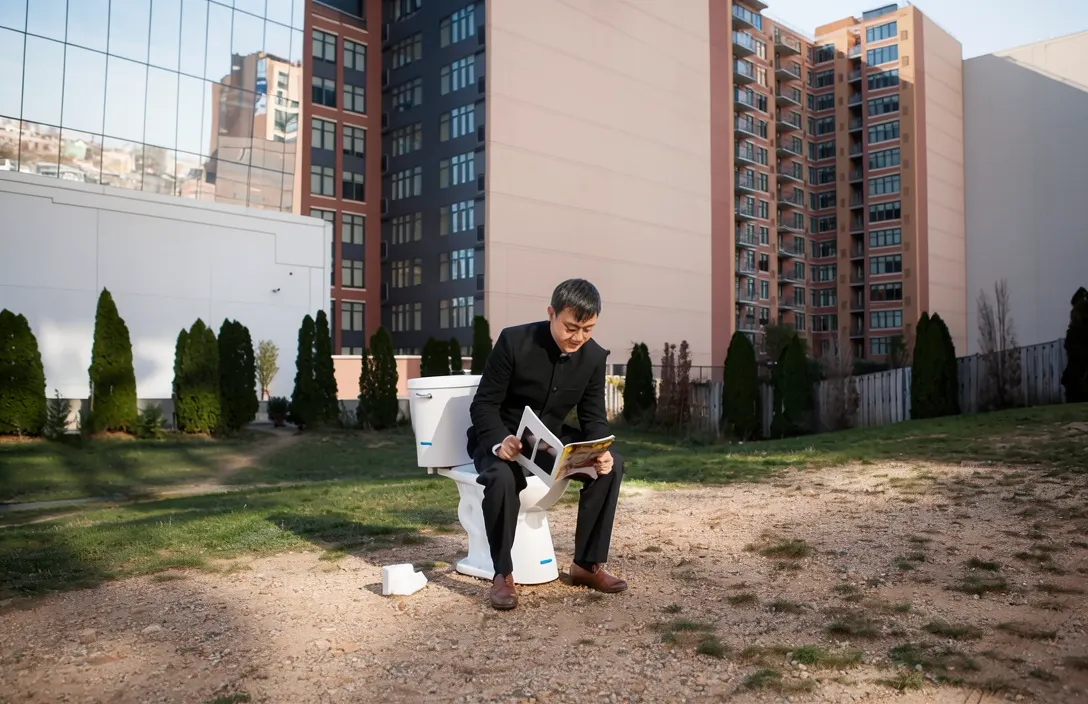

World Toilet Day, established in 2013, aims to raise awareness about the global sanitation crisis and promote access to safe and clean toilets. According to the United Nations, the campaign for World Toilet Day 2026 emphasizes the link between sanitation and gender equality. Safe toilets protect women and girls' health, safety, dignity, and opportunity, enabling them to go to school, work, and fully participate in society (source ID 2). [2]
The lack of access to safe sanitation disproportionately affects women and girls. Without access to safe and secure toilets, alongside soap, water, and menstrual hygiene facilities, girls may struggle to attend school, and women may face barriers to work and other opportunities. Unsafe sanitation reinforces gender inequality by exposing women and girls to diseases, danger, and abuse, affecting their rights to health, education, and work (source ID 2). [2]
To ensure safe toilets contribute to equal futures, women must be involved in shaping sanitation solutions. The participation of women, girls, and other groups disproportionately affected by unsafe sanitation is essential to building resilient services that leave no one behind. This approach ensures that sanitation services meet the needs of all people and promote gender equality (source ID 2). [2]
World Toilet Day, established in 2013, aims to raise awareness about the global sanitation crisis and promote access to safe and clean toilets. The lack of access to safe sanitation disproportionately affects women and girls. According to the World Health Organization, a top-notch sanitation system is critical to preventing diseases such as cholera and polio, which are linked to sewage (Source ID: 1). The United Nations also highlights that the sanitation crisis affects everyone but not equally, with women and girls facing greater risks of disease, danger, and abuse due to unsafe sanitation (Source ID: 2). [1] [2]
Advertisement
The United Nations emphasizes that safe toilets are essential for gender equality, as they protect women and girls' health, safety, dignity, and opportunity, enabling them to go to school, work, and fully participate in society (Source ID: 2). Sofia Calltorp, the U.N. Women global head of humanitarian action, notes that when women and girls lack access to safe toilets, they often venture into unsafe areas, increasing their risk of harassment or violence (Source ID: 1). This issue is particularly pronounced in refugee camps, where unlit toilets that are not differentiated by gender contribute to the problem. [1] [2]
To ensure that safe toilets contribute to equal futures, women must be involved in shaping sanitation solutions. The United Nations stresses that women, girls, and other groups disproportionately affected by unsafe sanitation must be part of the process of designing, managing, and delivering sanitation services that work for everyone (Source ID: 2). Involving women in sanitation planning is essential to building resilient services that leave no one behind and ensuring that toilets become a force for equality (Source ID: 2). [2]
World Toilet Day, established in 2013, aims to raise awareness about the global sanitation crisis and promote access to safe and clean toilets. Jack Sim, the founder of World Toilet Day, was inspired by a prime minister’s remark about measuring graciousness by the cleanliness of public toilets. Since its inception, the initiative has focused on improving access to sanitation systems, as billions of people still lack a safe and sanitary toilet (Source ID: 1). [1]
The United Nations emphasizes that safe toilets are essential for gender equality, as they protect women and girls' health, safety, dignity, and opportunity, enabling them to go to school, work, and fully participate in society. The lack of access to safe sanitation disproportionately affects women and girls, as they may face additional complications such as the need for menstrual hygiene facilities. Without these, girls and women may avoid public spaces, limiting their education and economic opportunities (Source ID: 2). [2]
Advertisement
The sanitation crisis reinforces gender inequality by exposing women and girls to diseases, danger, and abuse, affecting their rights to health, education, and work. Using unclean or broken toilets or having to go outside causes stigma and shame, affecting women and girls’ self-confidence and security. Climate change and extreme weather events are making the sanitation crisis worse, and when services are disrupted, women and girls pay the heaviest price (Source ID: 2). [2]
Sources
Prepared with AI assistance from the cited sources.
The Cali Reporter newsletter
The stories worth your time.
California, the country, and what comes next. Join our free newsletter for reporting that keeps you informed.
More in San Diego
- Community Condemns ICE Enforcement Near Encinitas School
Residents and school officials in Encinitas are expressing deep concern over an ICE arrest near a local elementary school, highlighting the emotional and psychological impact on families and children.
- San Diego Lawmakers Push Immigration Enforcement Reforms
San Diego's Congressional delegation is advocating for changes to immigration enforcement practices following recent arrests that have raised concerns about the impact on families.
- Tide Pool Etiquette and Environmental Impact During King Tides
As king tides bring more visitors to San Diego's coastline, concerns grow over the impact of human activity on tide pool ecosystems. Educators and conservationists are urging visitors to follow responsible practices to…