Tide Pool Etiquette and Environmental Impact During King Tides
As king tides bring more visitors to San Diego's coastline, concerns grow over the impact of human activity on tide pool ecosystems. Educators and conservationists are urging visitors to follow responsible practices to…

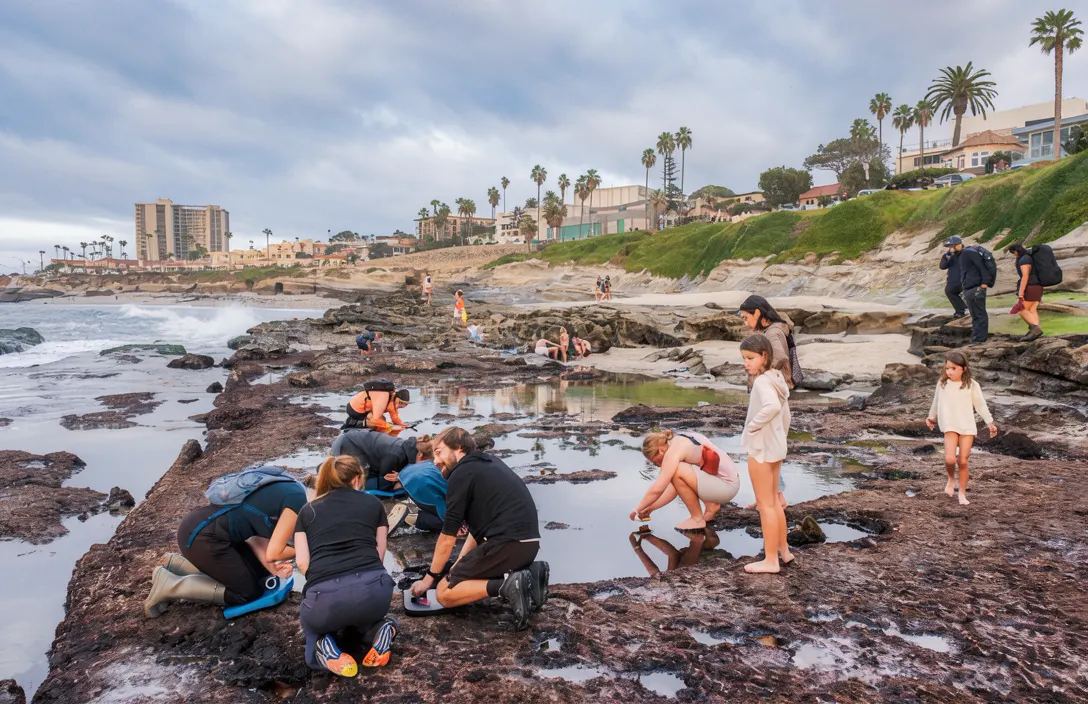

King tides, which occur when the Earth is in alignment with the sun and moon, create extreme high and low tides that expose more tide pools along San Diego's coast. These events attract many visitors who are eager to explore the intertidal zone and observe marine life up close. However, the increased foot traffic during these times has led to unintended harm to the delicate ecosystems found in tide pools. Grace Gilmore, an educator at Birch Aquarium, noted that large crowds have been observed to damage sensitive intertidal habitats, with impacts growing significantly as more people visit (1). [1]
To mitigate the negative effects of human interaction, Gilmore emphasized the importance of following proper tide pooling etiquette. She advised visitors not to touch any animals found in the tide pools, as this can cause injury or stress to the organisms and may transfer harmful substances from human hands to marine life. Additionally, moving rocks or lifting creatures for closer examination can disrupt habitats and reduce the chances of survival for the animals involved. These actions, while often well-intentioned, can have lasting consequences for the ecosystem (1). [1]
Gilmore also highlighted that the popularity of king tides, especially on social media, has led to a surge in visitors, many of whom may not be aware of the correct practices for tide pooling. This influx of people has resulted in more frequent disturbances, such as people walking on rocks or stepping into tide pools, which can cause physical damage to the environment. The educator encouraged visitors to be stewards of the environment by moving slowly, avoiding unnecessary contact with marine life, and leaving natural features undisturbed to preserve the integrity of these unique coastal habitats (1). [1]
King tides, which occur when the Earth is in alignment with the sun and moon, create extreme high and low tides that expose more tide pools along San Diego's coast. Grace Gilmore, an educator at Birch Aquarium, explained that these tides are a natural phenomenon that happen each year and are especially pronounced during winter in the Northern Hemisphere when the Earth is closest to the sun (1). This alignment increases the tidal force, leading to even higher tides and lower tides, which in turn expose more tide pools for exploration (1). [1]
Advertisement
Despite the allure of these natural events, the increased accessibility of tide pools has led to a surge in visitors, many of whom may not be aware of the correct practices for tide pooling. Gilmore emphasized that large crowds have unintentionally caused harm to sensitive intertidal ecosystems, with the impact growing significantly as more people visit (1). This has led to a need for greater awareness and education about how to interact with these environments without causing damage (1). [1]
Common misconceptions among visitors include picking up rocks, moving them, or touching animals, all of which can disrupt the habitat and cause harm to marine life. Gilmore noted that these actions can cause animals to become stressed, injured, or even displaced from their homes (1). She encourages visitors to move slowly, leave animals undisturbed, and avoid any actions that could alter the natural environment (1). [1]
King tides, which occur when the Earth aligns with the sun and moon, create extreme high and low tides that expose more tide pools along San Diego's coast. These natural events attract many visitors, but the increased accessibility has led to a surge in human interaction with the environment. According to Grace Gilmore, the educator at Birch Aquarium, large crowds during these times have caused damage to sensitive intertidal ecosystems (source ID: 1). [1]
The popularity of king tides, especially on social media, has led to a significant influx of visitors who may not be aware of the correct practices for tide pooling. Gilmore highlighted that common misconceptions include picking up rocks, moving them, or touching animals, all of which can disrupt the habitat and harm marine life (source ID: 1). [1]
Advertisement
Moving rocks can cause animals to hide or get injured, and picking up creatures to take a closer look can lead to injuries, stress, and decreased survival chances. Gilmore encourages visitors to move slowly, leave animals alone, and keep rocks and other habitat features undisturbed to ensure the preservation of these natural environments (source ID: 1). [1]
Gilmore also stressed that the constant activity from people causes animals to avoid potentially distressing encounters, reducing the chances of witnessing wildlife. She encourages visitors to become good stewards of their environment and to practice responsible tide pooling to protect these ecosystems (source ID: 1). [1]
King tides, which occur when the Earth is in alignment with the sun and moon, create extreme high and low tides that expose more tide pools along San Diego's coast. This natural phenomenon has drawn a surge of visitors, many of whom are unaware of the correct practices for tide pooling (Source ID: 1). The increased accessibility of tide pools, especially during king tides, has led to a significant influx of people exploring the coastline, often without understanding the potential consequences of their actions. [1]
Grace Gilmore, an educator at Birch Aquarium, has highlighted the damage caused by improper behavior during these events. Large crowds have led to unintended harm to the environment, with many newcomers misinformed about tide pooling etiquette. Common misconceptions include picking up rocks, moving them, or touching animals, all of which can disrupt the habitat and cause harm to marine life (Source ID: 1). These actions can lead to animals hiding, getting injured, or being stressed, ultimately reducing the chances of witnessing wildlife. [1]
Advertisement
Gilmore emphasized that the popularity of king tides, especially on social media, has led to a surge in visitors. This has resulted in increased foot traffic on the rocks or stepping into tide pools, causing destruction to the habitat (Source ID: 1). The constant activity from people causes animals to avoid potentially distressing encounters, making it less likely for visitors to observe wildlife. Educators stress the need for responsible behavior, such as moving slowly, leaving animals alone, and keeping rocks and other habitat features in place. [1]
Sources
Prepared with AI assistance from the cited sources.
The Cali Reporter newsletter
The stories worth your time.
California, the country, and what comes next. Join our free newsletter for reporting that keeps you informed.
More in San Diego
- Community Condemns ICE Enforcement Near Encinitas School
Residents and school officials in Encinitas are expressing deep concern over an ICE arrest near a local elementary school, highlighting the emotional and psychological impact on families and children.
- San Diego Lawmakers Push Immigration Enforcement Reforms
San Diego's Congressional delegation is advocating for changes to immigration enforcement practices following recent arrests that have raised concerns about the impact on families.
- Ukraine Conducts Long-Range Attack on Russian Warship in Libya
Ukraine claimed responsibility for an attack on a Russian warship in Libya, marking a significant escalation in the conflict. The incident, which involved the use of maritime drones, has drawn international attention…