

Why Off-The-Shelf CAR T Therapy Fails You: 2 Hidden Immune Mechanisms Revealed by MD Anderson Study
New research at UT MD Anderson uncovers specific immune rejection patterns and cell fitness levels that determine treatment success or failure.

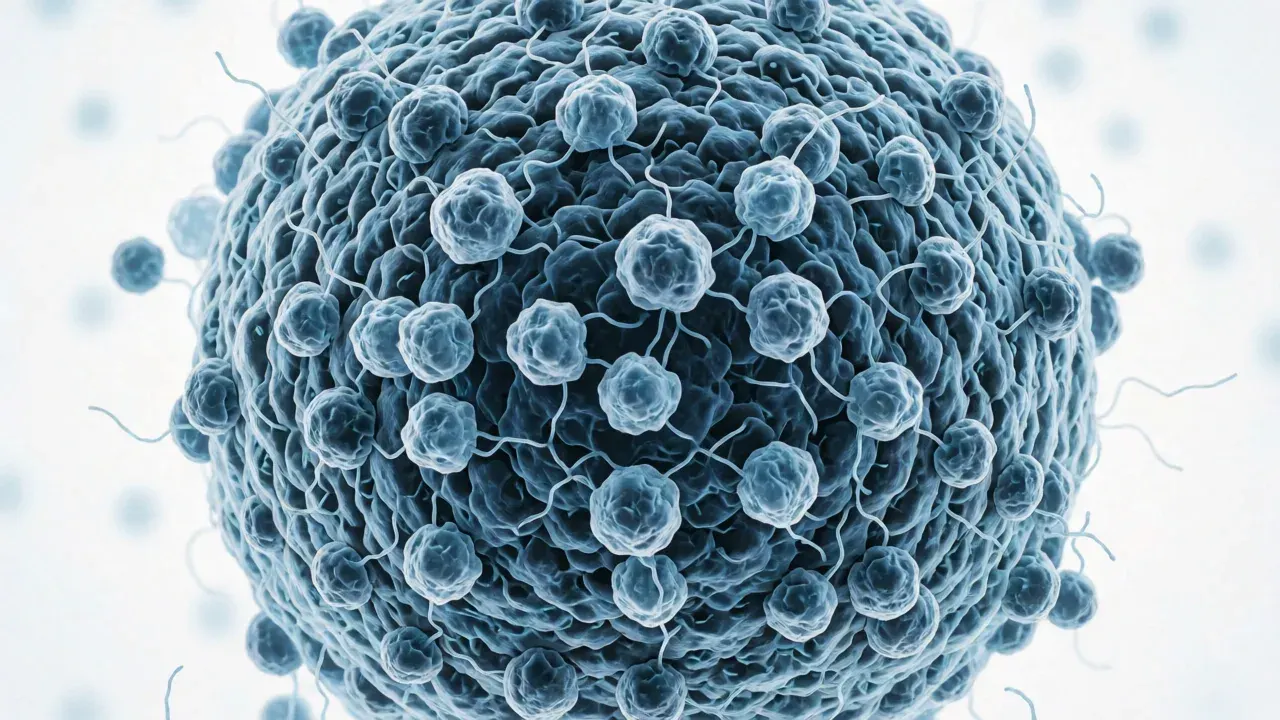
Immunotherapy has fundamentally altered the landscape of oncology particularly for blood cancers yet the clinical application of these treatments often presents a puzzle of variability. For patients with relapsed or refractory large B-cell lymphoma the arrival of chimeric antigen receptor CAR T-cell therapy has offered a beacon of hope yet the results between patients remain strikingly inconsistent. Researchers at The University of Texas MD Anderson Cancer Center have now traced the biological behaviors of off-the-shelf CAR T cells in patients to explain this disparity. Published today in the journal Cancer Discovery their findings provide a critical framework for understanding why donor-derived therapies may fail or succeed. The study led by corresponding author Pavan Bachireddy M.D. reveals that the success of these therapies hinges on two distinct factors that influence immune system interaction and cellular efficacy. This research is essential for clinicians and patients alike as it moves us closer to personalized immunotherapy strategies that predict which patients will benefit from these life changing treatments and which may require alternative approaches.
The study focused on patients who received cemacabtagene ansegedleucel or cema-cel an investigational off-the-shelf CAR T cell therapy. While approved therapies are typically derived from a patient's own cells a process known as autologous therapy the off-the-shelf approach utilizes healthy donor cells to create an allogeneic product. This method promises immediate availability and reduced manufacturing delays yet it introduces unique immunological challenges. Through advanced molecular and immune analyses the team tracked the behavior of CAR T cells immediately following infusion. Their work identifies two primary determinants of therapeutic response: the patient's preexisting immune response and the intrinsic fitness of the CAR T cells themselves. The researchers emphasize that understanding these mechanisms is vital because successful expansion of CAR T cells after infusion is strongly correlated with treatment outcomes.
One of the most significant findings concerns the phenomenon of immune rejection. The study demonstrated that some patients possess preexisting immune cells capable of recognizing and attacking donor-derived CAR T cells. This allogeneic response effectively rejects the therapy before it can fully expand and eliminate cancerous cells. Patients who experienced poor CAR T cell expansion showed significantly higher levels of these immune responses. In contrast those whose CAR T cells expanded successfully exhibited little evidence of such rejection. From a clinical perspective this suggests that the immune history of the patient plays a pivotal role in the success of allogeneic interventions. It highlights a need for pre-treatment screening to identify patients at risk of rejecting the donor cells without compromising the therapeutic window.

Beyond the host immune response the researchers also uncovered the critical role of CAR T cell fitness. Across multiple donor-derived CAR T cell products and various disease settings the study found that specific populations of T cells consistently demonstrated a superior ability to multiply and persist. These highly fit cells were better equipped to destroy cancer cells and maintain a sustained presence in the body. The concept of cellular fitness is central to the biology of immunotherapy. While the presence of the therapy is necessary achieving long term remission requires cells that are not only present but also metabolically active and functionally robust. The authors note that this biological principle of fitness may apply broadly across different off-the-shelf CAR T cell therapies not just the specific agent studied.
Understanding these mechanisms offers a roadmap for the future development and application of allogeneic therapies. Dr. Bachireddy noted that by identifying both patient and CAR T cell characteristics the team has uncovered insights that could help develop more effective therapies. The study establishes a framework for improving future allogeneic CAR T cell therapies. This includes identifying patients who are more likely to reject donor-derived CAR T cells before treatment begins. Such identification would allow for personalized treatment strategies and interventions designed to minimize immune rejection. Furthermore the findings point to opportunities for manufacturers to optimize donor selection and production methods. By generating CAR T cell products enriched with highly fit cells the industry can improve the therapeutic index of these treatments. This approach could reduce the variability in patient outcomes and make off-the-shelf immunotherapy a more reliable option for a wider population of patients.
As the field of cellular immunology continues to evolve the work published in Cancer Discovery provides a crucial piece of the puzzle. It shifts the focus from simply deploying these therapies to understanding the dynamic interplay between the patient's immune system and the engineered cellular product. For patients and their families this research offers hope that the variability in treatment results is not an insurmountable barrier but a solvable problem grounded in science. The insights gained from this study will undoubtedly shape the next generation of off-the-shelf CAR T therapies bringing us closer to universal immunotherapies that work for everyone.
First reported by Medical Xpress.
More in Health & Nutrition
- Long-term opioid use fails to alleviate chronic back pain, Northwestern University study suggests
Researchers identified distinct brain activity patterns and molecular markers that may guide future treatments for pain management and opioid tapering.
- Human tau seeds trigger disease-specific shapes in mouse brains, new study finds
Study in Nature shows that injectable human tau aggregates from Alzheimer’s and corticobasal degeneration template their 3D folds onto mouse tau, supporting the prion-like seeding model.
- Menopause Largely Missing from Electronic Health Records Despite Its Health Impact
study of nearly 240,000 women finds only 12% of electronic records include menopause status, even though over half reported being in transition.