Whale Breath Used to Sequence Genome for First Time
Researchers have successfully sequenced a whale's genome using breath samples collected by drones, marking a breakthrough in non-invasive genetic research.


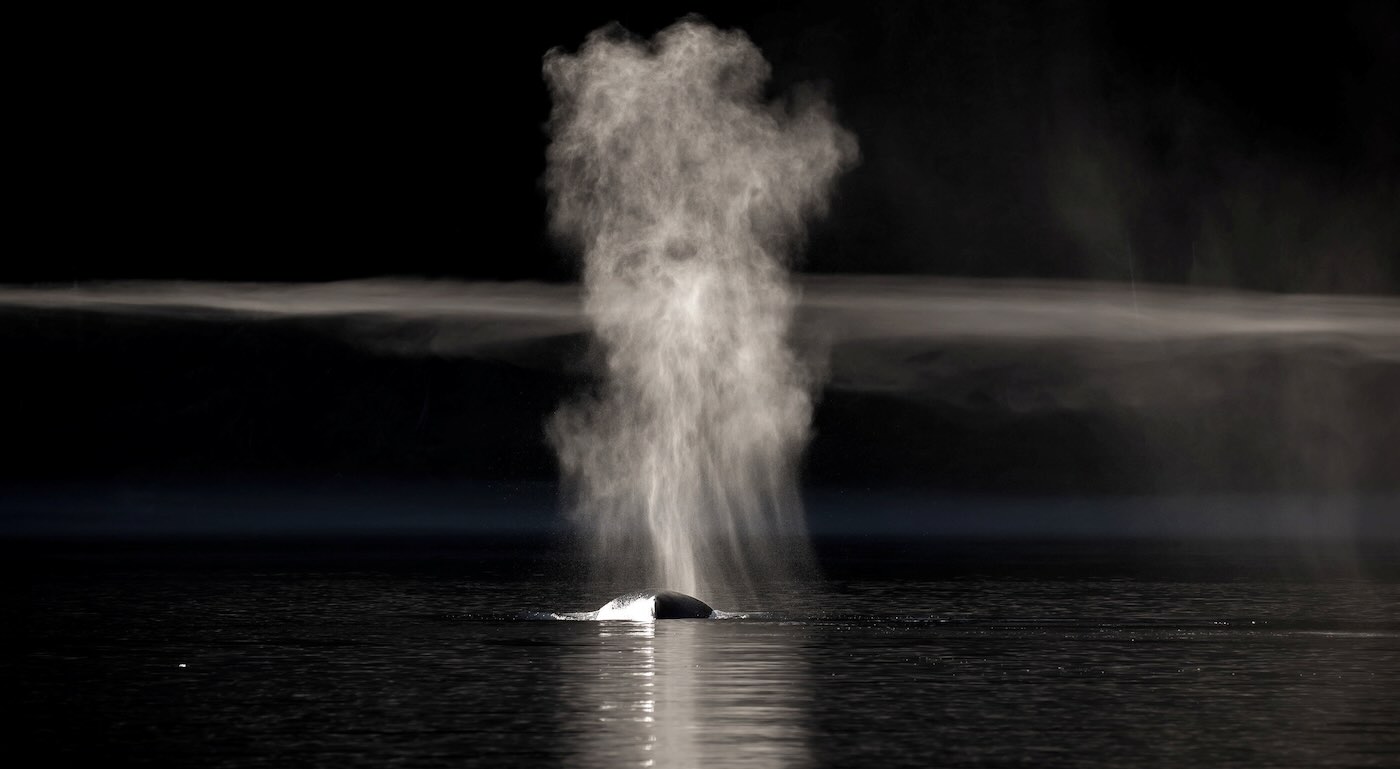
Researchers from the University of St. Andrews in Scotland have completed the first genome sequencing of a humpback whale using breath samples collected by drones (1). This method eliminates the need for physical interventions such as darts and biopsies, which can disturb the animals. The study involved collecting 58 blow samples from 26 individual humpback whales in the Kitimat Fjord System in northern British Columbia, Canada (1). [1]
The drone was equipped with sterile petri dishes to capture the exhale from a whale’s blowhole. Around 84% of the DNA in the blow came from the whale itself, and repeat samples from the same whales collected in different encounters and across two years gave matching genomes (1). More than a third of the samples required no boat at all—only flying the drone directly from land (1). [1]
The study found that genetic diversity estimated from blow samples was very similar to estimates from traditional biopsies, with this particular population showing no evidence of inbreeding beyond a shared ancestry or past population bottlenecks (1). The research team also discovered three previously undescribed mitochondrial DNA variants and confirmed that blow-derived data behave just like conventional genomic data (1). [1]
Researchers from the University of St. Andrews in Scotland have used drones to collect breath samples from humpback whales, enabling the first whole genome sequencing of a whale without physical intervention (1). The study involved attaching sterile petri dishes to a small aerial drone, which flew through the exhaled breath of humpback whales in the Kitimat Fjord System in northern British Columbia, Canada. This method avoids the need for traditional techniques such as darts and biopsies, which can disturb the animals (1). [1]
Advertisement
The team collected 58 blow samples from 26 individual humpback whales. Around 84% of the DNA in the blow came from the whale itself, with repeat samples from the same whales, collected in different encounters and across two years, giving matching genomes (1). More than a third of the samples required no boat at all—only flying the drone directly from land (1). [1]
The study found that genetic diversity estimated from blow samples was very similar to estimates from traditional biopsies, with this particular population showing no evidence of inbreeding beyond a shared ancestry or past population bottlenecks (1). The research team also discovered that around 16% of the DNA in each blow sample comes largely from the microbes living in the whale’s airways (1). [1]
Researchers from the University of St. Andrews in Scotland have successfully used drones equipped with sterile petri dishes to capture the exhale from a whale’s blowhole, enabling the first-ever whole genome sequencing of a humpback whale without physical intervention (1). This method avoids the need for darts and biopsies, which can disturb the animals, and allows for the collection of genetic material from whales in areas where traditional methods are not feasible (1). [1]
In the Kitimat Fjord System in northern British Columbia, Canada, the team collected 58 blow samples from 26 individual humpback whales. Around 84% of the DNA in the blow came from the whale itself, with repeat samples from the same whales collected in different encounters and across two years yielding matching genomes (1). This consistency in genetic data suggests that blow samples are a reliable source for genomic analysis, comparable to traditional biopsy methods (1). [1]
Advertisement
The study found that genetic diversity estimated from blow samples was very similar to estimates from traditional biopsies, with this particular population showing no evidence of inbreeding beyond a shared ancestry or past population bottlenecks (1). Additionally, the research team discovered three previously undescribed mitochondrial DNA variants, confirming that blow-derived data behaves just like conventional genomic data (1). [1]
Researchers from the University of St. Andrews in Scotland, along with an international team, have successfully completed the genome sequencing of a humpback whale using samples collected from its breath via a drone. This method marks the first time a whole genome has been sequenced without the need for physical interventions such as darts or biopsies, which can disturb the animals (1). The drone was equipped with sterile petri dishes to capture the exhale from a whale’s blowhole, enabling the collection of genetic material in a non-invasive manner. [1]
The team collected 58 blow samples from 26 individual humpback whales in the Kitimat Fjord System in northern British Columbia, Canada. Around 84% of the DNA in the blow came from the whale itself, with repeat samples from the same whales collected in different encounters and across two years yielding matching genomes (1). The study found that genetic diversity estimated from blow samples was very similar to estimates from traditional biopsies, with this particular population showing no evidence of inbreeding beyond a shared ancestry or past population bottlenecks. [1]
The research team also discovered that blow-derived genomes can be used to assess kinship and family ties among humpback whales foraging in northern British Columbia. The findings, published in the journal Molecular Ecology Resources, showed that the drone-captured genetic analyses correctly determined every whale’s sex and also found three previously undescribed mitochondrial DNA variants (1). Additionally, blow from whales swimming in groups showed no sign of contamination from neighboring whales, confirming the reliability of blow-derived data compared to conventional genomic data. [1]
Advertisement
The Cali Reporter newsletter
The stories worth your time.
California, the country, and what comes next. Join our free newsletter for reporting that keeps you informed.
More in Good News
- Black Mapmaking as a Tool for Reclaiming History and Fighting Injustice
Black mapmakers and artists are using cartography to counteract historical erasure and combat systemic racism, as evidenced by various projects across the United States.
- Observing Animal Behavior in the Intertidal Zone
A biology professor shares insights on how paying attention to natural sounds and movements can reveal animal secrets, particularly in the intertidal zone.
- Grandfather Rescues Lost Toddler in Arizona Desert
An Arizona grandfather played a pivotal role in rescuing a missing toddler during a cold desert night, according to local news reports.