Wearable Patch Detects Silent Heart Injury After Surgery
A new wearable device developed by researchers at McMaster University could help detect silent heart injury in the days after surgery, offering a new method for monitoring patients post-discharge.

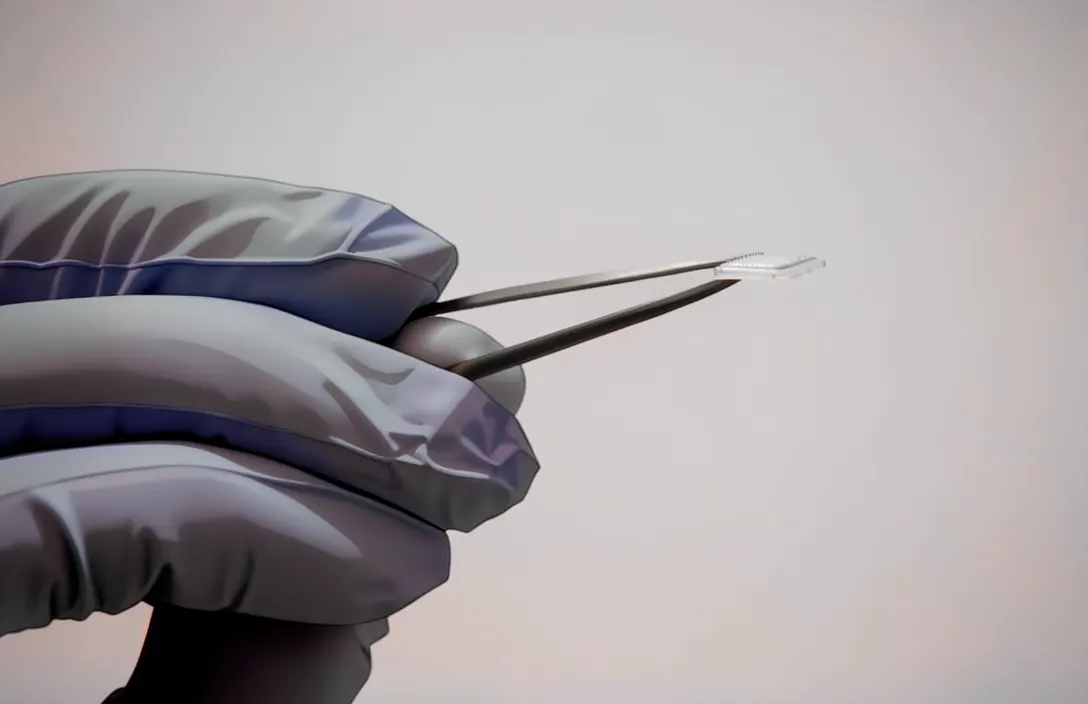

Researchers at McMaster University have developed a wearable device that could help detect silent heart injury in the days after surgery, offering a new way to monitor patients after they leave the hospital. The technology continuously measures cardiac troponin, a protein released when the heart is injured, using a patch equipped with tiny, painless microneedles that sample fluid beneath the skin (source ID: 1). [1]
The work addresses a significant challenge in postsurgical care. About 300 million people undergo noncardiac surgery each year, and increasing numbers of people are discharged home the same day. But the days immediately following surgery remain a period of elevated risk, with about 20% of higher-risk patients experiencing myocardial injury after noncardiac surgery, or MINS. Most of these cases occur without obvious symptoms (source ID: 1). [1]
The wearable device uses microscopic polymer needles that penetrate just beneath the skin, without reaching nerves or blood vessels. The microneedles collect interstitial fluid, the liquid that surrounds cells, and deliver it to a biosensor that's able to continuously track cardiac troponin levels over several days (source ID: 1). [1]
The project brought together expertise from multiple institutions and disciplines. Researchers at the University of Waterloo developed the microneedle technology that made continuous sampling possible. At McMaster, coauthor Bernardo Trigatti, professor in the Department of Biochemistry and Biomedical Sciences, helped test the technology in living systems, an important step in demonstrating its potential for future clinical use (source ID: 1). [1]
Advertisement
The device was developed by researchers at McMaster University, in collaboration with the University of Waterloo and other institutions, as part of a multidisciplinary effort to improve post-surgical monitoring. The project is based in Canada, with key contributions from the McMaster University’s Department of Biochemistry and Biomedical Sciences and the Thrombosis and Atherosclerosis Research Institute of Hamilton Health Sciences. The research team includes professors and scientists from engineering, biosensing, and biomedical fields, highlighting the interdisciplinary nature of the work. Testing in living systems was conducted using mouse models of heart disease, which was a critical step in validating the device’s potential for future clinical applications. [1]
The technology is designed to continuously monitor cardiac troponin levels over several days, a significant advancement given the low concentrations of the protein in interstitial fluid. The microneedles used in the patch are made of polymer and are engineered to penetrate just beneath the skin without reaching nerves or blood vessels, ensuring patient comfort and safety. These microneedles collect interstitial fluid, which is then analyzed by a biosensor integrated into the patch. The biosensor employs a combination of antibodies and aptamers to detect and measure cardiac troponin in real time. This approach is a departure from traditional blood tests, which are not practical for continuous monitoring at home. [1]
The research builds on previous work in biosensing and aptamer engineering, with earlier versions of the technology focused on monitoring smaller molecules such as lactate. The current device represents a breakthrough in the continuous tracking of proteins, which are more challenging to monitor due to their low concentrations and complex molecular structures. The project is supported by Aptec Health, a startup formed to commercialize the technology, with the goal of bringing the wearable patch to market for clinical use. The immediate focus is on postsurgical monitoring, but the researchers envision broader applications across various medical fields, where continuous monitoring between clinic visits could improve patient outcomes. [1]
The wearable device uses microscopic polymer needles that penetrate just beneath the skin, without reaching nerves or blood vessels. This technology continuously measures cardiac troponin, a protein released when the heart is injured, using a patch equipped with tiny, painless microneedles that sample fluid beneath the skin. The findings were published in the journal Science Advances (source ID: 1). [1]
Advertisement
Heart injuries that go unnoticed are a significant challenge in postsurgical care. About 300 million people undergo noncardiac surgery each year, and increasing numbers of people are discharged home the same day. However, the days immediately following surgery remain a period of elevated risk, with about 20% of higher-risk patients experiencing myocardial injury after noncardiac surgery, or MINS. Most of these cases occur without obvious symptoms (source ID: 1). [1]
The wearable device uses microscopic polymer needles that penetrate just beneath the skin, without reaching nerves or blood vessels. The microneedles collect interstitial fluid, the liquid that surrounds cells, and deliver it to a biosensor that's able to continuously track cardiac troponin levels over several days. This device builds on previous work by Soleymani and the team in biosensing and aptamer engineering (source ID: 1). [1]
Sources
Prepared with AI assistance from the cited sources.
The Cali Reporter newsletter
The stories worth your time.
California, the country, and what comes next. Join our free newsletter for reporting that keeps you informed.
More in Health & Medicine
- Understanding Fascia and the Evidence Behind Fascia Release
Fascia is a connective tissue that plays a structural role in the human body, but evidence supporting specific exercises or tools for 'fascia release' remains limited.
- Antidepressant Effectiveness and Long-Term Use
A new review suggests that some antidepressants may be more effective than others in helping people manage depression symptoms over the long term, according to a study published in The Lancet Psychiatry.
- Experimental Weight-Loss Drug Shows Promise for Knee Osteoarthritis Pain
A new study suggests that an experimental weight-loss drug, retatrutide, may significantly reduce knee pain in people with osteoarthritis and obesity.