Experimental Weight-Loss Drug Shows Promise for Knee Osteoarthritis Pain
A new study suggests that an experimental weight-loss drug, retatrutide, may significantly reduce knee pain in people with osteoarthritis and obesity.

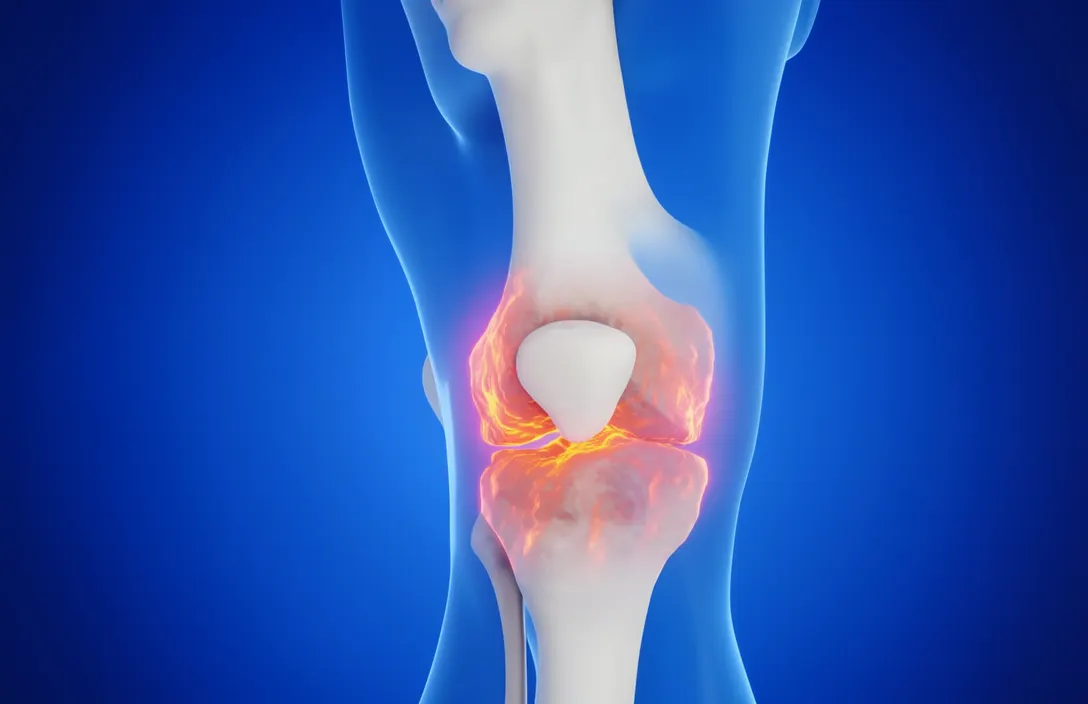
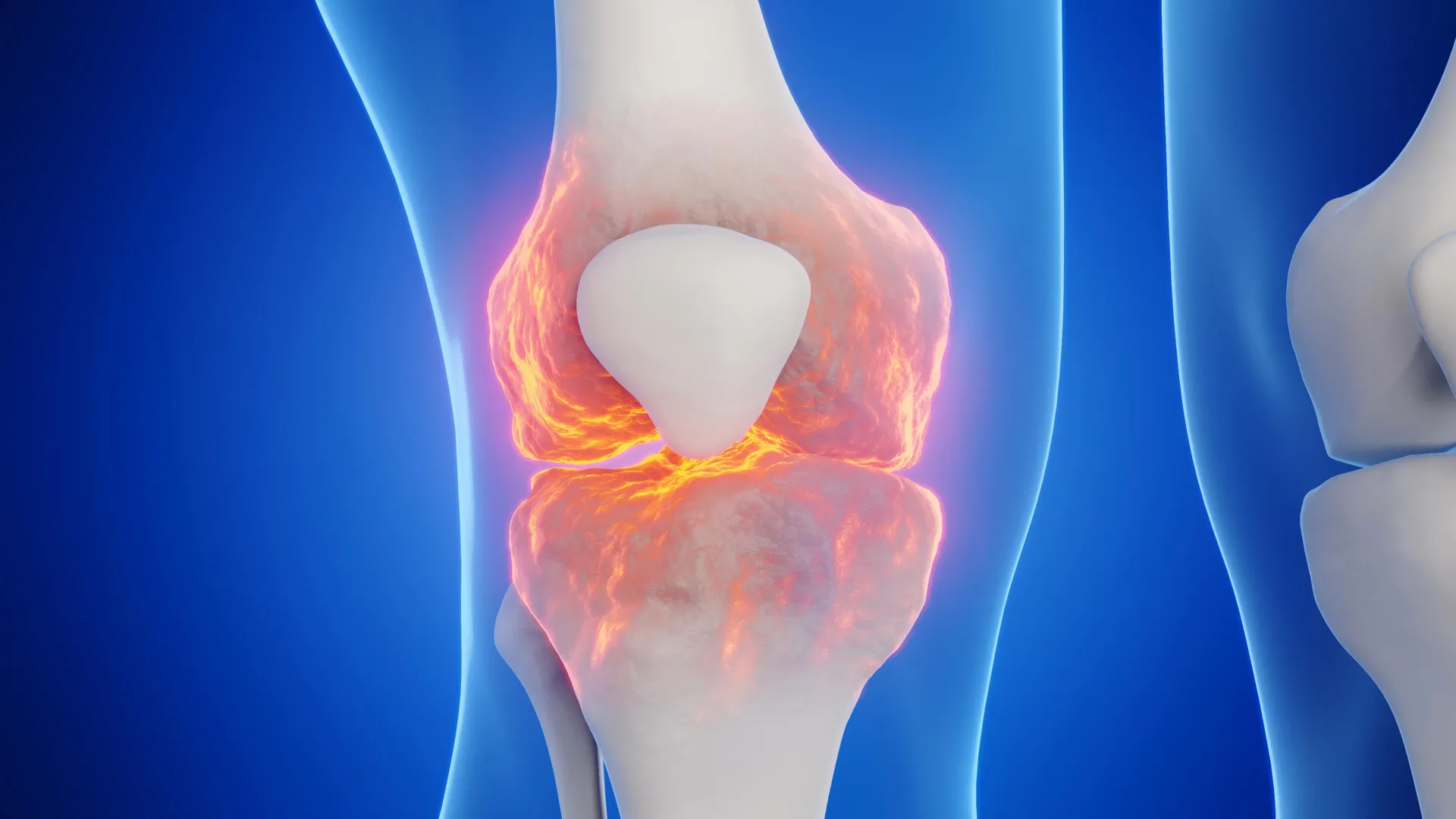
Two phase 3 clinical trials, led by Northwestern University, indicate that retatrutide, an injectable weight-loss medication, may provide substantial relief for individuals with painful knee osteoarthritis (OA). The trials included over 1,000 participants, with those receiving the highest dose of retatrutide losing an average of about 25% of their body weight. Approximately two-thirds of these participants reported a reduction in knee pain of at least 50%, compared to only 38% of those given a placebo (1). [1]
In addition to weight loss and pain relief, participants in the trials also showed reductions in blood pressure, blood lipid levels, and inflammation throughout the body (1). The findings were published in the New England Journal of Medicine on Nov. 8, with one of the trials, TRIUMPH-4, presented at the American College of Rheumatology annual meeting in Orlando, Florida (1). [1]
Retatrutide, developed by Eli Lilly, is administered as a once-weekly injection and differs from existing GLP-1 medications by activating receptors associated with three different naturally occurring hormones. Participants in the trials lost approximately 20% to 25% of their body weight, depending on the dose (1). [1]
Two phase 3 clinical trials, led by Northwestern University, indicate that retatrutide, an injectable weight-loss medication, may provide substantial relief for individuals with painful knee osteoarthritis (OA). In addition to weight loss and pain relief, participants in the trials also showed reductions in blood pressure, blood lipid levels, and inflammation throughout the body (1). The trials included more than 1,000 participants in total, with those receiving the highest dose of retatrutide losing an average of about 25% of their body weight (1). [1]
Advertisement
Approximately two-thirds of participants treated with retatrutide reported a reduction in knee pain of at least 50%, compared to only 38% of those given a placebo (1). The findings were published on Nov. 8 in the New England Journal of Medicine, and the results were presented at the American College of Rheumatology annual meeting in Orlando, Florida (1). Retatrutide, developed by Eli Lilly, is administered as a once-weekly injection and activates receptors associated with three different naturally occurring hormones, differing from existing GLP-1 medications (1). [1]
Participants in the trials lost approximately 20% to 25% of their body weight, depending on the dose (1). Dr. Thomas Schnitzer, a corresponding author of the study, emphasized that the benefits of retatrutide go beyond weight loss, as it also reduces inflammation and improves knee function (1). However, Schnitzer also noted that lifestyle changes should remain the starting point for weight loss and knee pain management, as they avoid side effects associated with GLP-1 drugs (1). [1]
Two phase 3 clinical trials, led by Northwestern University, suggest that retatrutide, an injectable weight-loss medication, may provide substantial relief for individuals with painful knee osteoarthritis (OA) (1). The trials involved more than 1,000 participants in total, with those receiving the highest dose of retatrutide losing an average of about 25% of their body weight (1). This significant weight loss may help reduce the load on the knees, leading to a meaningful reduction in knee pain (1). [1]
Approximately two-thirds of participants treated with retatrutide reported a reduction in knee pain of at least 50%, compared to only 38% of those given a placebo (1). In addition to weight loss and pain relief, participants in the trials also showed reductions in blood pressure, blood lipid levels, and inflammation throughout the body (1). These findings were published on Nov. 8 in the New England Journal of Medicine (1). [1]
Advertisement
Retatrutide, developed by Eli Lilly, is administered as a once-weekly injection and differs from existing GLP-1 medications by activating receptors associated with three different naturally occurring hormones (1). Participants in the trials lost approximately 20% to 25% of their body weight, depending on the dose (1). These results suggest that retatrutide could be a valuable treatment option for individuals with painful knee osteoarthritis who are unable to achieve sufficient weight loss through lifestyle changes alone (1). [1]
Researchers are still investigating whether retatrutide can slow the progression of knee osteoarthritis beyond just relieving symptoms. This is a critical question, as the trials did not include people who had already undergone knee replacement surgery, and it remains unclear if the drug can reduce the likelihood of future surgical interventions (1). Dr. Thomas Schnitzer emphasized that while the drug has shown significant pain relief, its ability to halt or slow the underlying degeneration of the knee joint is still unknown (1). [1]
Another area of interest is whether retatrutide might benefit individuals with painful knee osteoarthritis who are not overweight. The current trials focused on participants with obesity, and further studies are needed to determine if the drug could provide similar improvements for those without significant weight issues (1). This would expand the potential patient population that could benefit from the medication (1). [1]
Researchers are also examining the extent to which pain relief from retatrutide is due to weight loss versus the drug’s anti-inflammatory effects. While weight loss is a major factor in reducing knee load and pain, the drug may also be reducing inflammation in the joint, which could contribute to pain relief (1). However, the exact mechanisms behind these effects are not yet fully understood (1). [1]
Advertisement
The Cali Reporter newsletter
The stories worth your time.
California, the country, and what comes next. Join our free newsletter for reporting that keeps you informed.
More in Health & Medicine
- Understanding Fascia and the Evidence Behind Fascia Release
Fascia is a connective tissue that plays a structural role in the human body, but evidence supporting specific exercises or tools for 'fascia release' remains limited.
- Antidepressant Effectiveness and Long-Term Use
A new review suggests that some antidepressants may be more effective than others in helping people manage depression symptoms over the long term, according to a study published in The Lancet Psychiatry.
- Reading for Enjoyment Linked to Cognitive and Emotional Benefits
Research highlights the mental and social advantages of reading for pleasure, with findings suggesting it can enhance brain function, reduce stress, and foster empathy across all ages.