Unsubstantiated Claims in UK Health Tests
An assessment of health tests marketed to UK consumers reveals many unsubstantiated claims and insufficient information on their potential harms and limitations.

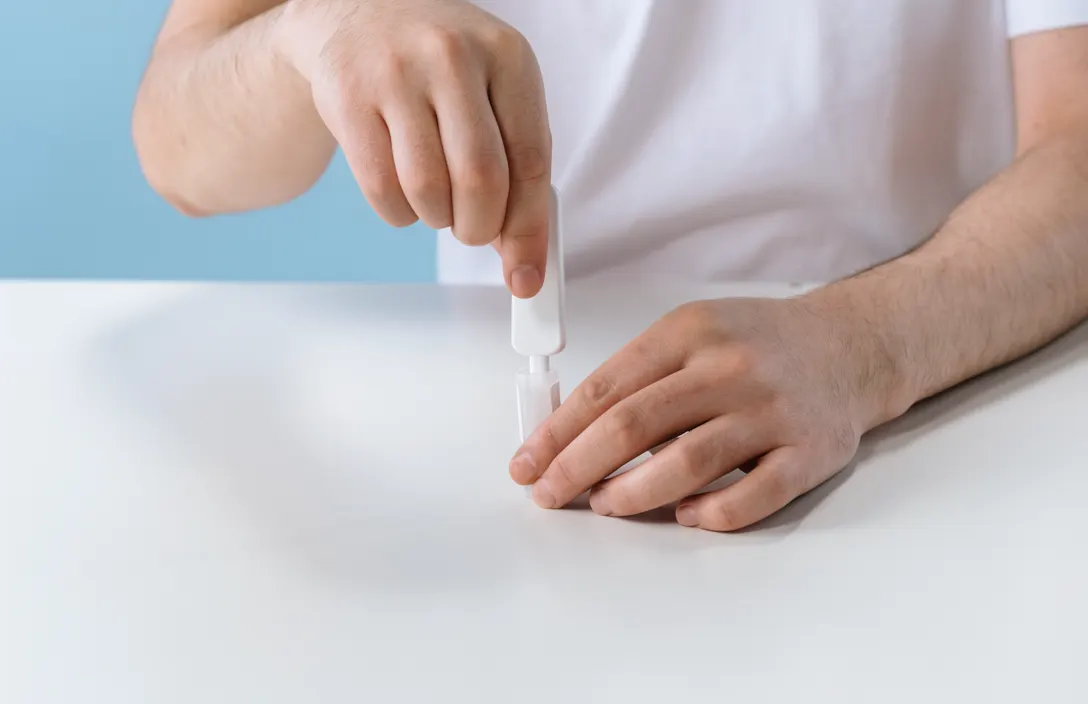

An assessment of health tests marketed to UK consumers has found that many claims regarding their benefits are unsubstantiated, with limited information provided on their potential harms and limitations, according to a study published in the journal BMJ Open (Source 1). The study evaluated the websites of 50 commercial test vendors, revealing that the sector is expected to grow significantly, from $1.6 billion in 2023 to $3.2 billion by 2029. This growth underscores the urgent need for stronger regulatory protection for consumers, as highlighted by the researchers (Source 1). [1]
The tests offered by these vendors include a wide range of options, such as blood tests, medical imaging, and physical examinations, sold individually or in packages. However, the study found that there is scant evidence of their effectiveness in healthy individuals, and concerns have been raised about the accuracy of these tests and the risk of false-positive or false-negative results, overdiagnosis, overtreatment, and potential mental or physical harm (Source 1). [1]
The study identified that many vendors made claims about the benefits of their tests, such as earlier diagnosis, better health knowledge, and even living longer, despite a lack of evidence supporting these assertions. Additionally, the study found that most vendors did not explain the limitations of testing or its potential harms, including those associated with intimate physical examinations (Source 1). [1]
An assessment of health tests marketed to UK consumers has found that many claims regarding their benefits are unsubstantiated, with limited information provided on their potential harms and limitations, according to a study published in the journal BMJ Open (Source 1). The study identified that many vendors made claims about the benefits of their tests, such as earlier diagnosis, better health knowledge, and even living longer, despite a lack of evidence supporting these assertions. The researchers examined the websites of 50 commercial test vendors and found that while some vendors described the tests in detail, others simply stated, for example, 'vital blood checks' without specifying which tests were being performed. This lack of transparency may mislead consumers about the actual content and value of the tests they are purchasing. [1]
Advertisement
The study also found that many vendors offered tests not recommended by the NHS, including mammograms to normal-risk, symptomless women under the age of 50 and tests for lipids and HbA1c to well adults under 40. These tests are not supported by NHS guidelines, raising concerns about their appropriateness and potential for harm. Additionally, many vendors did not explain the limitations of their tests or the potential for overdiagnosis, false positives, or false negatives. This lack of information can lead to unnecessary anxiety, overtreatment, and other negative outcomes for consumers. The researchers note that these practices may have significant implications for both individual health and the NHS, as follow-up care for consumer-initiated tests is already placing additional strain on primary care services. [1]
The researchers emphasize that the regulation of health tests sold to the public is far less developed compared to the regulation of pharmaceutical products, despite the potential for harm. They urge for stronger regulatory protections to ensure that consumers are adequately informed about the risks and benefits of these tests. The study highlights the need for urgent action to address gaps in regulation, particularly in the area of health claims made by commercial vendors. The findings also suggest that while some commercial health tests may offer value, many may lead to false reassurance or unnecessary medical interventions, with little or no benefit to individuals. [1]
An assessment of health tests marketed to UK consumers has found that many claims regarding their benefits are unsubstantiated, with limited information provided on their potential harms and limitations, according to a study published in the journal BMJ Open (Source 1). The study evaluated the websites of 50 commercial test vendors and found that many vendors made claims about the benefits of their tests, such as earlier diagnosis, better health knowledge, and even living longer, despite a lack of evidence supporting these assertions. The study highlights a growing sector with global sales predicted to increase from $1.6 billion in 2023 to $3.2 billion by 2029, underscoring the urgent need for stronger regulatory protection for consumers. [1]
The tests offered by these vendors include a wide range of options, such as blood tests, medical imaging, and physical examinations, sold individually or in packages. The researchers identified that many vendors offered tests not recommended by the NHS, including mammograms to normal-risk, symptomless women under the age of 50 and tests for lipids and HbA1c to well adults under 40. The researchers emphasize that the regulation of health tests sold to the public is far less developed compared to the regulation of pharmaceutical products, despite the potential for harm, including overdiagnosis, overtreatment, and mental and/or physical harm. [1]
Advertisement
The study identified a sample of 50 U.K. individuals, companies and clinics—including major providers—promoting health tests to healthy people in the U.K. online. The tests included blood tests (e.g., full blood counts, liver function, genetic testing); urine, stool and saliva tests (e.g., urinary protein, gut microbiome, cortisol); physiological tests (e.g., pulmonary function tests, grip strength and ECGs); medical imaging (e.g., chest X-rays, MRI and ultrasound scans); and physical examination (e.g., pelvic and breast examinations). Prices ranged from £6.99 ("Kidney Albumin Rapid Test" for urine, taken at home) to £14,000 ("Platinum Assessment," multiple tests carried out in a clinic). [1]
Sources
Prepared with AI assistance from the cited sources.
The Cali Reporter newsletter
The stories worth your time.
California, the country, and what comes next. Join our free newsletter for reporting that keeps you informed.
More in Health & Medicine
- Understanding Fascia and the Evidence Behind Fascia Release
Fascia is a connective tissue that plays a structural role in the human body, but evidence supporting specific exercises or tools for 'fascia release' remains limited.
- Antidepressant Effectiveness and Long-Term Use
A new review suggests that some antidepressants may be more effective than others in helping people manage depression symptoms over the long term, according to a study published in The Lancet Psychiatry.
- Experimental Weight-Loss Drug Shows Promise for Knee Osteoarthritis Pain
A new study suggests that an experimental weight-loss drug, retatrutide, may significantly reduce knee pain in people with osteoarthritis and obesity.