Ultraprocessed Foods Trigger Higher Insulin Surge Despite Nutrient Matching
A clinical trial published in Nature Metabolism found that ultraprocessed meals trigger a higher surge in blood insulin compared to non-ultraprocessed meals with nearly identical nutrients, according to evidence from a…


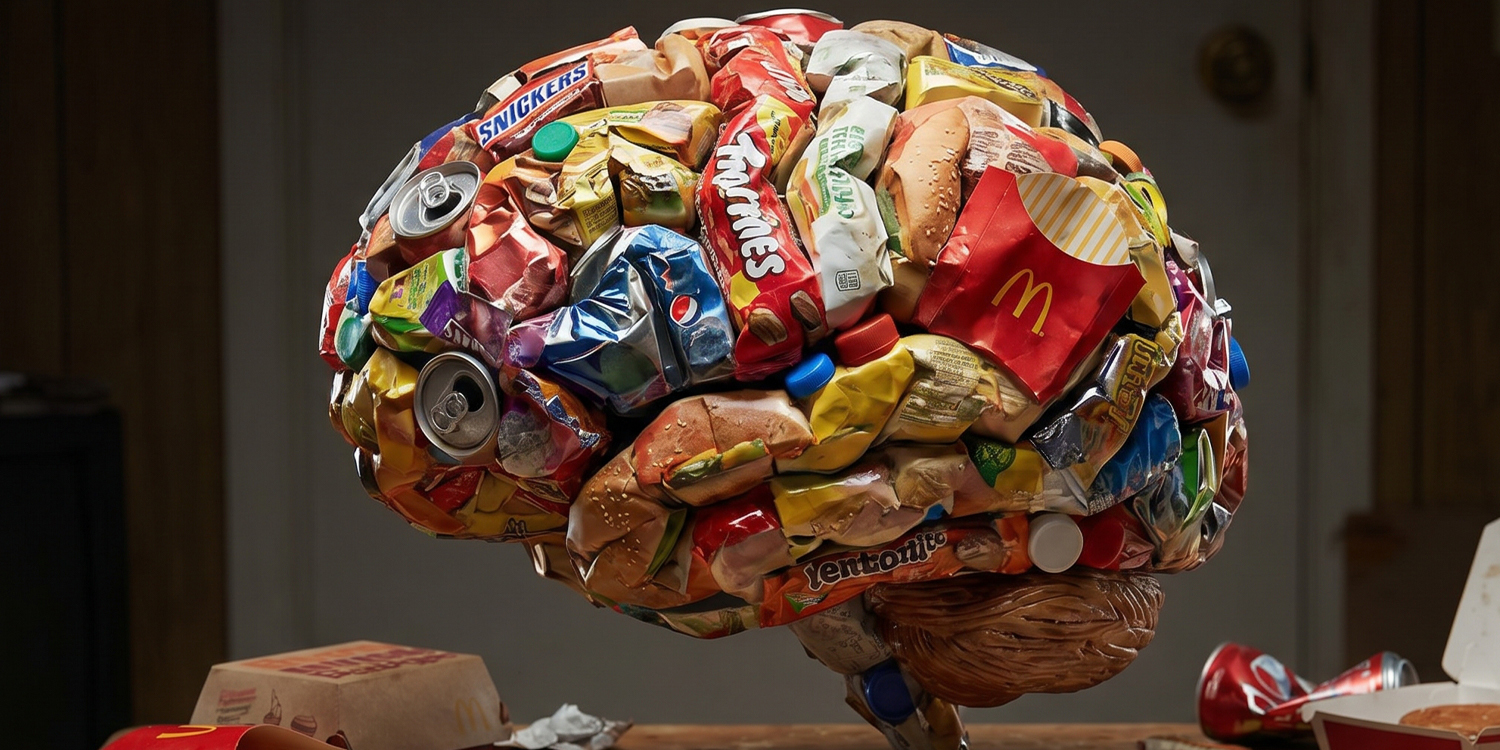
A clinical trial published in Nature Metabolism found that ultraprocessed meals trigger a substantially higher surge in blood insulin, slightly higher post-meal calorie burning, and a slower shift toward burning carbohydrates compared to non-ultraprocessed meals with nearly identical nutrients, according to evidence from a study involving 57 healthy-weight adults (1). These post-meal metabolic shifts also tracked with how reward-processing areas of the brain reacted to photographs of food, even though volunteers reported liking both types of food equally and bid similar amounts of money for them. The study aimed to determine whether industrial processing alters how the body and brain respond to a meal beyond calories, fat, sugar, or fiber alone. [1]
Participants in the study consumed either a non-ultraprocessed or ultraprocessed meal composed of 300 calories, with nutritional content matched to within 1.6 percent on a dozen measures, including total calories, macronutrients, dietary fiber, sodium, and glycemic index (1). Despite similar peak and overall blood sugar responses, the ultraprocessed meal produced a markedly larger cumulative surge in blood insulin. Insulin concentrations were comparable through the first 20 minutes, then rose higher after the ultraprocessed meal at 40, 60, 90, and 120 minutes before both conditions returned near baseline at three hours. [1]
The study also found that the ultraprocessed meal blunted the body’s normal post-meal switch from burning fat to burning incoming carbohydrates, even after accounting for how much ultraprocessed food participants ate in everyday life (1). The researchers suggest that industrial techniques used to optimize mouthfeel, such as formulating brittle snacks and cereals, may alter digestion kinetics and nutrient delivery in the upper gut. These findings align with earlier studies that found ultraprocessed diets can increase fat mass, worsen cholesterol and blood pressure, and impair reproductive hormones and sperm motility, independent of total calories. [1]
The study’s authors emphasize that the findings suggest that ultra-processing itself, rather than just macronutrient content, may play a significant role in metabolic and brain responses to food. However, they note that the study was limited to healthy-weight adults under age 45 consuming a single pair of modest 300-calorie meals, pointing toward several avenues for follow-up studies (1). Further research could examine different populations, longer time periods, bigger meals, and more pairings of minimally and highly processed foods. [1]
Advertisement
A clinical trial published in Nature Metabolism found that ultraprocessed meals trigger a substantially higher surge in blood insulin, slightly higher post-meal calorie burning, and a slower shift toward burning carbohydrates compared to non-ultraprocessed meals with nearly identical nutrients, according to evidence from a study involving 57 healthy-weight adults (1). Participants in the study consumed either a non-ultraprocessed or ultraprocessed meal composed of 300 calories, with nutritional content matched to within 1.6 percent on a dozen measures, including total calories, macronutrients, dietary fiber, sodium, and glycemic index (1). [1]
The ultraprocessed meal included packaged items such as deli-style turkey, instant mashed potatoes, frosted wheat cereal, veggie chips, a chocolate chip cookie, and white bread with peanut butter and jelly, plus 12 grams of water, while the non-ultraprocessed meal combined minimally processed staples such as hard-boiled eggs, banana, sweetened dried cranberries, cheese, and sea salt (1). The meals were designed to be nutritionally equivalent, with differences in nutrient content limited to within 1.6 percent across a dozen measured parameters (1). [1]
Despite similar peak and overall blood sugar responses, the ultraprocessed meal produced a markedly larger cumulative surge in blood insulin. Insulin concentrations were comparable through the first 20 minutes, then rose higher after the ultraprocessed meal at 40, 60, 90, and 120 minutes before both conditions returned near baseline at three hours (1). The respiratory exchange ratio, reflecting the balance of fuel being burned, was lower after the ultraprocessed meal, with lower carbohydrate burning and higher fat burning (1). [1]
The study was registered at ClinicalTrials.gov, and the team posted their underlying metabolic data, neuroimaging scans, and analysis code on public repositories. Data collection ran from June 2023 to December 2025, with the metabolic visits completed by March 2025. The researchers enrolled 57 healthy-weight adults aged 18 to 45, with an average age of 26, 31.6 percent male, and an average BMI of 22.8 (1). [1]
Advertisement
A clinical trial published in Nature Metabolism found that ultraprocessed meals trigger a substantially higher surge in blood insulin, slightly higher post-meal calorie burning, and a slower shift toward burning carbohydrates compared to non-ultraprocessed meals with nearly identical nutrients, according to evidence from a study involving 57 healthy-weight adults (1). Participants in the study consumed either a non-ultraprocessed or ultraprocessed meal composed of 300 calories, with nutritional content matched to within 1.6 percent on a dozen measures, including total calories, macronutrients, dietary fiber, sodium, and glycemic index (1). [1]
The ultraprocessed meal included packaged items such as deli-style turkey, instant mashed potatoes, frosted wheat cereal, veggie chips, a chocolate chip cookie, and white bread with peanut butter and jelly, plus 12 grams of water, while the non-ultraprocessed meal combined minimally processed staples such as hard-boiled eggs, banana, sweetened dried cranberries, cheese, and sea salt (1). The study aimed to determine whether industrial processing alters post-meal metabolism and brain responses when nutrients are held constant (1). [1]
Participants’ metabolic responses were measured in a whole-room indirect calorimeter, which continuously tracked oxygen intake and carbon dioxide output to calculate metabolic rate and respiratory exchange ratio (1). Blood samples were drawn before and after the meal to measure glucose and insulin levels (1). The ultraprocessed meal produced a significantly larger cumulative surge in blood insulin compared to the non-ultraprocessed meal, despite similar peak blood glucose responses (1). [1]
The study also found that the ultraprocessed meal blunted the body’s normal post-meal switch from burning fat to burning carbohydrates, even after accounting for participants’ usual intake of ultraprocessed foods (1). These metabolic differences were not fully explained by nutrient content alone, suggesting that industrial processing may influence how the body responds to food through pathways beyond calories, fat, sugar, or fiber (1). [1]
Advertisement
A clinical trial published in Nature Metabolism found that ultraprocessed meals trigger a substantially higher surge in blood insulin, slightly higher post-meal calorie burning, and a slower shift toward burning carbohydrates compared to non-ultraprocessed meals with nearly identical nutrients, according to evidence from a study involving 57 healthy-weight adults (1). The ultraprocessed meal included packaged items such as deli-style turkey, instant mashed potatoes, frosted wheat cereal, veggie chips, a chocolate chip cookie, and white bread with peanut butter and jelly, plus 12 grams of water, while the non-ultraprocessed meal combined minimally processed staples like hard-boiled eggs, banana, sweetened dried cranberries, cheese, and sea salt (1). [1]
Using nutritional software, the team matched the two meals to within 1.6 percent on a dozen nutritional measures, including total calories, macronutrients, dietary fiber, sodium, and glycemic index, which reflects how rapidly a food raises blood sugar (1). Participants also rated their hunger, fullness, and thirst before and after eating, along with how much they liked and wanted each meal. In separate sessions, volunteers evaluated photographs of 28 familiar foods, 14 non-ultraprocessed and 14 ultraprocessed, that had been validated in earlier work by the same research team to match on visual features and nutrient content (1). [1]
Inside the calorimeter chamber, volunteers burned more total calories over the three hours after eating the ultraprocessed meal, as their metabolic rate declined more slowly after peaking around 40 minutes. Yet their respiratory exchange ratio, reflecting the balance of fuel being burned, was lower after the ultraprocessed meal, with lower carbohydrate burning and higher fat burning (1). That pattern indicates the ultraprocessed meal blunted the body’s normal post-meal switch from burning fat to burning incoming carbohydrates, even after accounting for how much ultraprocessed food participants ate in everyday life (1). [1]
Sources
Prepared with AI assistance from the cited sources.
The Cali Reporter newsletter
The stories worth your time.
California, the country, and what comes next. Join our free newsletter for reporting that keeps you informed.
More in Relationships
- Screen vs. Print: How Executive Functions Influence Word Learning in Preschoolers
A new study explores how preschoolers learn new words from print and digital books, revealing that individual differences in executive functions significantly influence comprehension outcomes.
- Smartphone Use and ADHD-Like Symptoms in Adolescents
A study published in the Journal of Affective Disorders found that problematic smartphone use among adolescents is associated with increased ADHD-like symptoms, particularly in late adolescence.
- Lack of Assertiveness and Hostility Linked to Depression Over 23 Years
A long-term study of Swedish twins found that lack of assertiveness and hostility are both associated with increased depressive symptoms over time, though some links may be influenced by shared genetic factors.