Smartphone Use and ADHD-Like Symptoms in Adolescents
A study published in the Journal of Affective Disorders found that problematic smartphone use among adolescents is associated with increased ADHD-like symptoms, particularly in late adolescence.

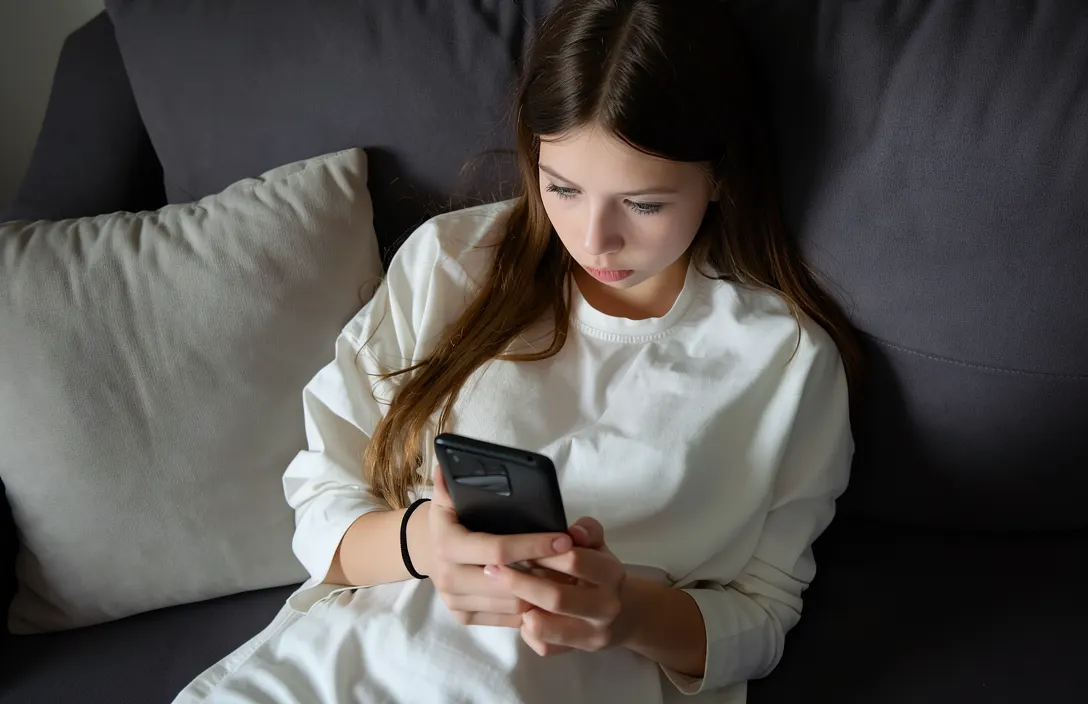

Adolescents who struggle to control their smartphone use tend to experience higher levels of attention-deficit hyperactivity disorder-like symptoms as they grow older, according to a study published in the Journal of Affective Disorders (source ID 1). The researchers observed that these symptoms generally decline in early adolescence but bounce back in later teenage years. The study tracked a large sample of 3,414 Chinese students over a two-year period, using an overlapping approach to map developmental trends from ages 10 to 18. During each survey wave, students completed questionnaires assessing their smartphone habits, while parents evaluated their children for hyperactivity, inattention, and impulsivity. [1]
The study found that overall symptom severity followed a U-shaped pattern across adolescence, with symptoms generally declining from ages 10 to 13 and increasing again as teenagers approached adulthood (source ID 1). This late-stage increase was primarily seen in both hyperactivity and inattention, while impulsivity levels remained relatively flat throughout the teenage years. The researchers suspect this rebound might relate to the increasing environmental demands placed on older teenagers, as academic pressure, social challenges, and identity formation intensify. [1]
The researchers identified three distinct groups of teenagers based on their long-term smartphone habits: those with mild, moderate, and severe problematic smartphone use. Teenagers in the severe group showed the highest burden of attention and behavioral issues across the board, with the impact of heavy smartphone use most visible in the realm of hyperactivity (source ID 1). Adolescents with persistently severe smartphone habits experienced a much steeper increase in hyperactivity during their late teenage years compared to their peers. However, the study relies on an observational design and does not prove that phone use directly causes these outcomes. [1]
Adolescents who struggle to control their smartphone use tend to experience higher levels of attention-deficit hyperactivity disorder-like symptoms as they grow older, according to a study published in the Journal of Affective Disorders (source ID 1). The study found that overall symptom severity followed a U-shaped pattern across adolescence, with symptoms generally declining from ages 10 to 13 and increasing again as teenagers approached adulthood (source ID 1). The researchers identified three distinct groups of teenagers based on their long-term smartphone habits: those with mild, moderate, and severe problematic smartphone use. [1]
Advertisement
The study tracked a large sample of 3,414 Chinese students over a two-year period, using an overlapping approach to map developmental trends from ages 10 to 18 (source ID 1). During each survey wave, the students completed questionnaires assessing their smartphone habits, while parents evaluated their children for hyperactivity, inattention, and impulsivity using an established behavioral screening tool (source ID 1). The researchers found that overall symptom severity followed a U-shaped pattern across adolescence, with symptoms generally declining from ages 10 to 13 and increasing again as teenagers approached adulthood. [1]
The researchers identified three distinct groups of teenagers based on their long-term smartphone habits: those with mild, moderate, and severe problematic smartphone use (source ID 1). Teenagers in the severe group showed the highest burden of attention and behavioral issues across the board. The impact of heavy smartphone use was most visible in the realm of hyperactivity. Adolescents with persistently severe smartphone habits experienced a much steeper increase in hyperactivity during their late teenage years compared to their peers. [1]
Adolescents who struggle to control their smartphone use tend to experience higher levels of attention-deficit hyperactivity disorder-like symptoms as they grow older, according to a study published in the Journal of Affective Disorders (source ID 1). The study found that overall symptom severity followed a U-shaped pattern across adolescence, with symptoms generally declining from ages 10 to 13 and increasing again as teenagers approached adulthood (source ID 1). The researchers identified three distinct groups of teenagers based on their long-term smartphone habits: those with mild, moderate, and severe problematic smartphone use (source ID 1). [1]
The study tracked a large sample of 3,414 Chinese students over a two-year period, using an overlapping approach to map developmental trends from ages 10 to 18 (source ID 1). The researchers identified three distinct groups of teenagers based on their long-term smartphone habits: those with mild, moderate, and severe problematic smartphone use (source ID 1). The researchers observed that problematic smartphone use consistently predicted worse symptom severity over time (source ID 1). [1]
Advertisement
During each survey wave, the students completed questionnaires assessing their smartphone habits, rating how often they felt preoccupied with their devices or experienced a disruption in their daily lives due to screen time (source ID 1). Parents completed an established behavioral screening tool, evaluating their children for hyperactivity, inattention, and impulsivity (source ID 1). The researchers also collected data on the students’ sex and their perceived family socioeconomic status (source ID 1). [1]
Adolescents who struggle to control their smartphone use tend to experience higher levels of attention-deficit hyperactivity disorder-like symptoms as they grow older, according to a study published in the Journal of Affective Disorders (source ID 1). The study tracked a large sample of 3,414 Chinese students over a two-year period, using an overlapping approach to map developmental trends from ages 10 to 18 (source ID 1). The researchers identified three distinct groups of teenagers based on their long-term smartphone habits: those with mild, moderate, and severe problematic smartphone use (source ID 1). [1]
During each survey wave, the students completed questionnaires assessing their smartphone habits, rating how often they felt preoccupied with their devices or experienced a disruption in their daily lives due to screen time (source ID 1). Parents also completed an established behavioral screening tool, evaluating their children for hyperactivity, inattention, and impulsivity (source ID 1). The researchers collected data on the students’ sex and their perceived family socioeconomic status (source ID 1). [1]
When analyzing the data, the team found that overall symptom severity followed a U-shaped pattern across adolescence. Symptoms generally declined from ages 10 to 13 as children developed better self-regulation and cognitive control. In late adolescence, however, these symptoms often rebounded, increasing again as the teenagers approached adulthood (source ID 1). This late-stage increase was primarily seen in both hyperactivity and inattention (source ID 1). [1]
Advertisement
The Cali Reporter newsletter
The stories worth your time.
California, the country, and what comes next. Join our free newsletter for reporting that keeps you informed.
More in Relationships
- Screen vs. Print: How Executive Functions Influence Word Learning in Preschoolers
A new study explores how preschoolers learn new words from print and digital books, revealing that individual differences in executive functions significantly influence comprehension outcomes.
- Lack of Assertiveness and Hostility Linked to Depression Over 23 Years
A long-term study of Swedish twins found that lack of assertiveness and hostility are both associated with increased depressive symptoms over time, though some links may be influenced by shared genetic factors.
- Personality Traits Remain Stable Across Lifespan, Study Finds
A large-scale analysis of personality development across the lifespan suggests that individual differences in personality traits remain stable from infancy to old age, according to a study published in Psychological…