U.N. Talks on Autonomous Weapons Reach Compromise, But Critics Call It a 'Nothing Burger'
Diplomats at the United Nations in Geneva have reached a compromise on regulating lethal autonomous weapons, but humanitarian organizations and some countries have expressed disappointment with the outcome.

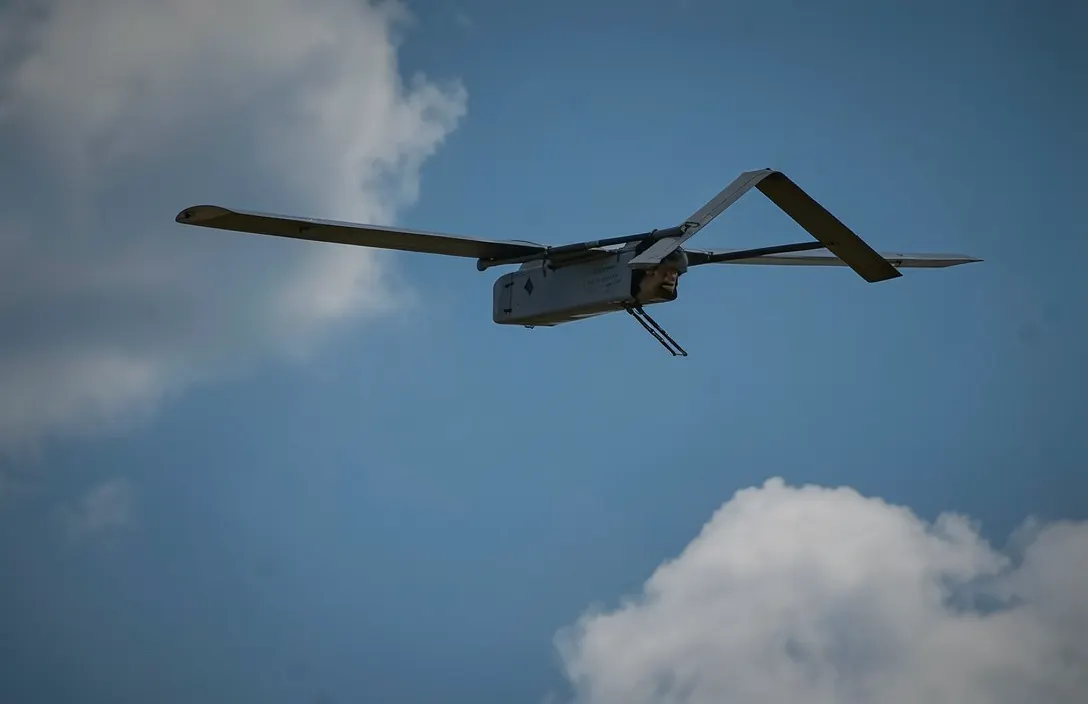

Diplomats meeting at the United Nations in Geneva have agreed to start discussing options to regulate lethal autonomous weapons, often called "killer robots." After a week of negotiations, a compromise emerged: countries would have two years to suggest regulations that could be legally binding, but could also be optional (Source ID: 1). Bleary-eyed negotiators insisted the agreement was better than nothing and showed the U.N.'s disarmament process could still function. [1]
Before the negotiations got underway, the International Committee of the Red Cross (ICRC), the guardian of the Geneva Conventions, said it was urgent for legally binding rules to be drafted within a year. That call was backed by the U.N. secretary-general and by Pope Leo. Their concerns stem from the kind of warfare we are now seeing. In Ukraine, Sudan and Gaza, civilians are being killed by semi-autonomous drones (Source ID: 1). [1]
No one went into the negotiations thinking they would be easy; some of the world's most powerful countries, among them the U.S., Russia and Israel, had already indicated their reluctance to agree to binding regulations. On day one, Russia delayed proceedings by objecting to the meeting's agenda. Then the United States proposed a five-year window to discuss nonbinding, optional guidelines for autonomous weapons (Source ID: 1). [1]
Diplomats meeting at the United Nations in Geneva have agreed to start discussing options to regulate lethal autonomous weapons, often called 'killer robots.' After a week of negotiations, a compromise emerged: countries would have two years to suggest regulations that could be legally binding, but could also be optional (Source ID: 1). This agreement was reached after prolonged discussions that extended into the early hours of Saturday morning, with negotiators expressing that the deal, while not perfect, was a necessary step forward. [1]
Advertisement
Before the negotiations began, the International Committee of the Red Cross (ICRC), the guardian of the Geneva Conventions, emphasized the urgency of drafting legally binding rules within a year. This stance was supported by the U.N. secretary-general and Pope Leo, who highlighted the immediate need for regulation given the current use of semi-autonomous drones in conflicts such as those in Ukraine, Sudan, and Gaza. In Sudan, 80% of civilian deaths were attributed to drones according to the U.N. (Source ID: 1). [1]
Humanitarian organizations have raised concerns that the compromise may allow for the development of artificial intelligence-assisted weapons capable of making life-and-death decisions independently. Georgia Hinds, an ICRC legal adviser, noted the ethical challenges of having life-and-death decisions determined by algorithms, stating that this is a moral red line that cannot be crossed (Source ID: 1). Despite these concerns, the negotiations faced resistance from some of the world's most powerful countries, including the U.S., Russia, and Israel, who were reluctant to agree to binding regulations (Source ID: 1). [1]
Diplomats meeting at the United Nations in Geneva have agreed to start discussing options to regulate lethal autonomous weapons, often called 'killer robots.' After a week of negotiations that dragged on until the small hours of Saturday morning, a compromise emerged: countries would have two years to suggest regulations that could be legally binding, but could also be optional (Source ID: 1). Bleary-eyed negotiators insisted the agreement was better than nothing and showed the U.N.'s disarmament process could still function. [1]
Before the negotiations got underway, the International Committee of the Red Cross (ICRC), the guardian of the Geneva Conventions, said it was urgent for legally binding rules to be drafted within a year. That call was backed by the U.N. secretary-general and by Pope Leo. Their concerns stem from the kind of warfare we are now seeing. In Ukraine, Sudan and Gaza, civilians are being killed by semi-autonomous drones (Source ID: 1). [1]
Advertisement
No one went into the negotiations thinking they would be easy; some of the world's most powerful countries, among them the U.S., Russia and Israel, had already indicated their reluctance to agree to binding regulations. On day one, Russia delayed proceedings by objecting to the meeting's agenda. Then the United States proposed a five-year window to discuss nonbinding, optional guidelines for autonomous weapons (Source ID: 1). [1]
Finally, at 4:30 a.m. on Saturday morning, they emerged from the negotiating room to announce their compromise: no to a deal within a year, maybe to legally binding rules, or maybe not. A 'nothing burger' The ICRC immediately said it regretted the move and renewed its appeal for a binding treaty. Other campaigners were less polite, calling the deal 'a real disappointment' and a 'nothing burger' (Source ID: 1). [1]
Diplomats meeting at the United Nations in Geneva have agreed to start discussing options to regulate lethal autonomous weapons, often called 'killer robots.' After a week of negotiations that dragged on until the small hours of Saturday morning, a compromise emerged: countries would have two years to suggest regulations that could be legally binding, but could also be optional (Source ID: 1). [1]
Before the negotiations got underway, the International Committee of the Red Cross (ICRC), the guardian of the Geneva Conventions, said it was urgent for legally binding rules to be drafted within a year. That call was backed by the U.N. secretary-general and by Pope Leo. Their concerns stem from the kind of warfare we are now seeing. In Ukraine, Sudan and Gaza, civilians are being killed by semi-autonomous drones (Source ID: 1). [1]
Advertisement
Humanitarian organizations have raised concerns that the compromise may allow for the development of artificial intelligence-assisted weapons making the decision to kill entirely on their own. Algorithms making life-and-death decisions are a fundamental ethical concern, according to ICRC legal adviser Georgia Hinds (Source ID: 1). [1]
Sources
Prepared with AI assistance from the cited sources.
The Cali Reporter newsletter
The stories worth your time.
California, the country, and what comes next. Join our free newsletter for reporting that keeps you informed.
More in San Diego
- Community Condemns ICE Enforcement Near Encinitas School
Residents and school officials in Encinitas are expressing deep concern over an ICE arrest near a local elementary school, highlighting the emotional and psychological impact on families and children.
- San Diego Lawmakers Push Immigration Enforcement Reforms
San Diego's Congressional delegation is advocating for changes to immigration enforcement practices following recent arrests that have raised concerns about the impact on families.
- Tide Pool Etiquette and Environmental Impact During King Tides
As king tides bring more visitors to San Diego's coastline, concerns grow over the impact of human activity on tide pool ecosystems. Educators and conservationists are urging visitors to follow responsible practices to…