Tidepool Enthusiasts Document Sea Slug Diversity
Amateur scientists and hobbyists are playing a growing role in documenting the biodiversity of sea slugs, also known as nudibranchs, along California’s coastline.

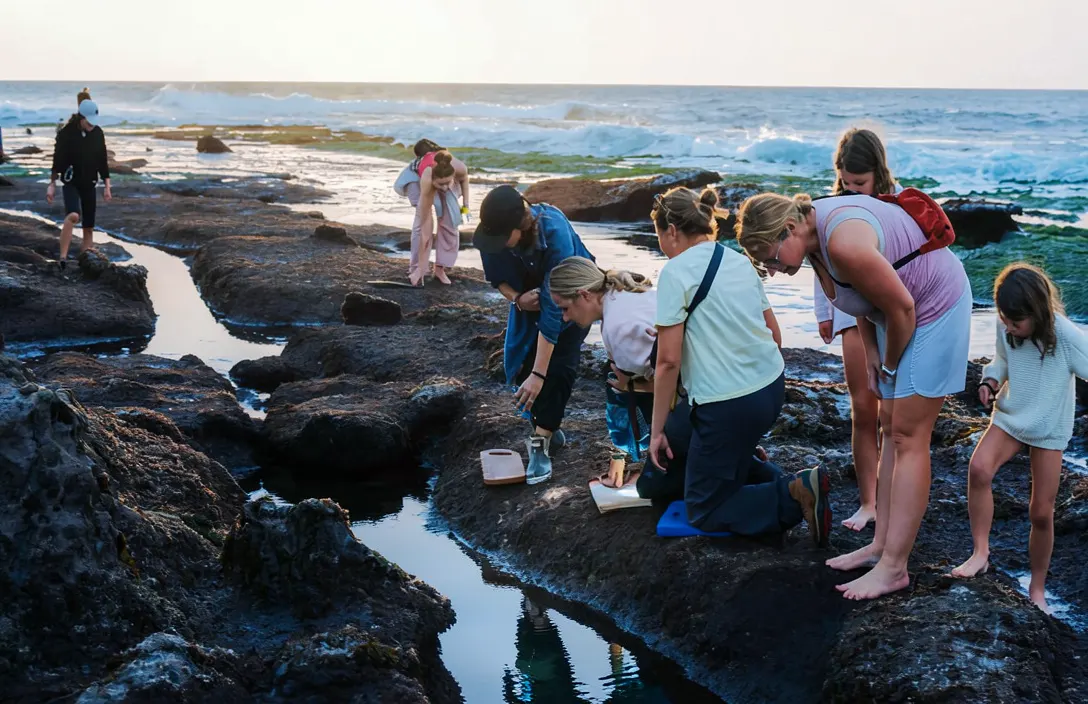

Laura Simonato, a cell therapy scientist and avid tidepooler, spends hours searching for sea slugs in San Diego's La Jolla Tide Pools. These creatures, known as nudibranchs, are often described as alien-like due to their vibrant colors and unique physical features. Simonato and her group of enthusiasts, known as the 'nudi-nerds,' help scientists monitor species diversity and distribution by sharing their high-quality photographs online (1). Their efforts are particularly valuable in identifying changes in ecosystems, such as those caused by El Niño events (1). [1]
Nudibranchs are not only visually striking but also ecologically significant. Their presence indicates a healthy marine environment, as they depend on a variety of marine organisms for sustenance. Some species are even capable of producing toxins that may be useful in medicine. Terry Gosliner, a senior curator at the California Academy of Sciences, noted that citizen scientists have already contributed to scientific understanding by discovering new species and documenting their distribution (1). [1]
Simonato has created a tracking poster called the Tidaldex, which helps enthusiasts identify and catalog species they encounter. The poster has become popular, with over 230 copies sold, and it encourages people to document their finds without removing any organisms from their natural habitat (1). This type of citizen science is especially important in under-researched ecosystems, such as those found on docks and other manmade structures (1). [1]
Community science efforts, such as the annual iNaturalist event Doctober, have led to the documentation of over 3,000 nudibranchs worldwide. These initiatives provide scientists with a comprehensive database of species distribution and ecosystem health, which can be used to study the impact of human activity on marine environments (1). However, increased public interest also raises concerns about the potential harm caused by excessive human interaction with fragile intertidal and subtidal habitats (1). [1]
Advertisement
The La Jolla Tide Pools, located in San Diego, California, are a popular site for tidepooling enthusiasts and scientists alike. These pools are part of a larger network of intertidal zones along the Southern California coast, which is known for its rich biodiversity. The pools are accessible during low tide and are characterized by shallow, algae-filled basins that provide a habitat for a wide variety of marine life, including sea slugs, or nudibranchs. The area is especially notable for its high concentration of nudibranch species, with over 140 different types found in the region. This diversity is supported by the unique environmental conditions of the area, which include a mix of rocky substrates, manmade structures like docks, and open water, all of which serve as important habitats for these creatures. [1]
The documented limits of nudibranch observation in San Diego are largely constrained by the availability of suitable habitats and the timing of low tides. Tidepooling is only possible during specific periods when the water recedes, typically during the evening and early morning low tides. Simonato and other tidepoolers often take advantage of these times to search for sea slugs, sometimes staying out for eight hours at a time. The area also has a documented limit in terms of species diversity, with over 3,000 known nudibranch species worldwide, but only around 140 of them are found in Southern California. Additionally, the impact of human activity, such as overcrowding during extreme low tides, is a documented concern for conservationists and scientists who study the region. [1]
Laura Simonato spends hours searching for sea slugs in San Diego's La Jolla Tide Pools, where she often finds nudibranchs, which are visually striking and ecologically significant creatures. Simonato has developed a tracking poster called the Tidaldex, which helps enthusiasts identify and catalog species they encounter. This poster, which she created to track personal finds, has become popular among nudibranch enthusiasts, with over 230 copies sold since its launch in 2023 (KPBS: San Diego). [1]
Community science efforts, such as the annual iNaturalist event Doctober, have led to the documentation of over 3,000 nudibranchs worldwide. Simonato and her group of “nudi-nerds” take part in these events, logging species on docks and sharing their findings online. These efforts have helped scientists understand the impact of environmental changes, such as El Niño, on nudibranch populations (KPBS: San Diego). [1]
Advertisement
Nudibranchs are not only visually striking but also ecologically significant. Their presence indicates a healthy and thriving marine ecosystem. Simonato and other tidepoolers have contributed to scientific understanding by identifying new species and tracking their distribution. These observations are invaluable to researchers like Terry Gosliner, a senior curator at the California Academy of Sciences, who relies on community scientists to document changes in nudibranch populations (KPBS: San Diego). [1]
Sources
Prepared with AI assistance from the cited sources.
The Cali Reporter newsletter
The stories worth your time.
California, the country, and what comes next. Join our free newsletter for reporting that keeps you informed.
More in San Diego
- Community Condemns ICE Enforcement Near Encinitas School
Residents and school officials in Encinitas are expressing deep concern over an ICE arrest near a local elementary school, highlighting the emotional and psychological impact on families and children.
- San Diego Lawmakers Push Immigration Enforcement Reforms
San Diego's Congressional delegation is advocating for changes to immigration enforcement practices following recent arrests that have raised concerns about the impact on families.
- Tide Pool Etiquette and Environmental Impact During King Tides
As king tides bring more visitors to San Diego's coastline, concerns grow over the impact of human activity on tide pool ecosystems. Educators and conservationists are urging visitors to follow responsible practices to…