

The dark side of making daylight saving time permanent in California: How late would our sunrises get?
Permanent daylight saving time sounds appealing until you realize Los Angeles sunrises would slip to 8 a.m. in winter, leaving Californians in the dark.
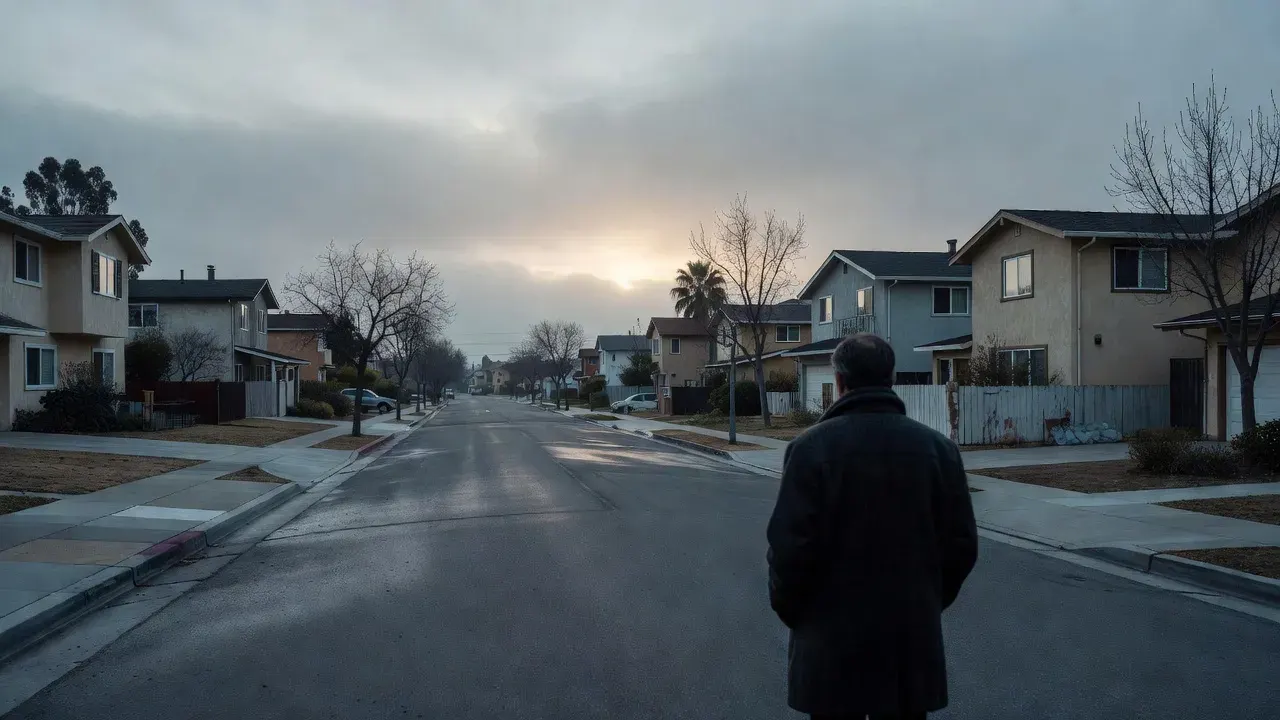
Congress is once again weighing year-round daylight saving time, a move that would push California’s winter mornings into deeper darkness. In Los Angeles, the latest sunrise would hit 8 a.m., meaning commuters would head to work and children to school long after the sun finally clears the horizon.
That single number, buried in the fine print of the proposal, exposes the trade-off few advocates mention. Permanent DST keeps afternoons bright for beachgoers and happy-hour patrons, but it sacrifices the early light that once started the day. California’s sprawling geography already stretches its clocks; adding another hour of artificial evening only amplifies the mismatch between clock time and solar reality.
The consequences fall hardest on the inland valleys and mountain communities where families rise before dawn for farm work or long commutes. An 8 a.m. sunrise in December is not a minor inconvenience; it is a structural shift that rewires school schedules, traffic patterns, and biological clocks across the state.

Supporters frame the change as modern and efficient. Yet the data point from Los Angeles reveals the cost: more darkness at the start of the day when productivity, safety, and simple human rhythm matter most. California has flirted with this idea before, only to discover that tweaking the clock does not expand daylight, it merely relocates it.
What remains unresolved is whether lawmakers will acknowledge this late-sunrise reality before locking the policy in place. The 8 a.m. figure is not abstract; it is the precise moment the sun would greet the state’s largest city under permanent DST, a daily reminder that every hour gained in the evening is borrowed from the morning.
Original reporting: LA Times.
Original reporting: LA Times, California.
More in California
- UC Berkeley Lab Proposes New Civic Framework for California’s Next Governor
A research-driven agenda calls for institutionalizing 'co-governance' to address low public trust and lack of resident influence in state decision-making.
- Five Tax Measures on California’s Ballot Aim to Reshape State Finances
Propositions 3, 40–43 would alter income, wealth and local taxation rules—marking the highest number of tax measures on a general election ballot since 1994.
- Catalina Helicopter Crash Highlights Risks of Island Medevac Flights
A medical evacuation chopper carrying Catalina Romero, pilot, and nurse Jessica Devries crashed into the ocean shortly after takeoff, killing all three; federal investigators are assessing causes including night flying, spatial disorientation, and the island’s challenging Pebbly Beach heliport.