

UC Berkeley Lab Proposes New Civic Framework for California’s Next Governor
A research-driven agenda calls for institutionalizing 'co-governance' to address low public trust and lack of resident influence in state decision-making.

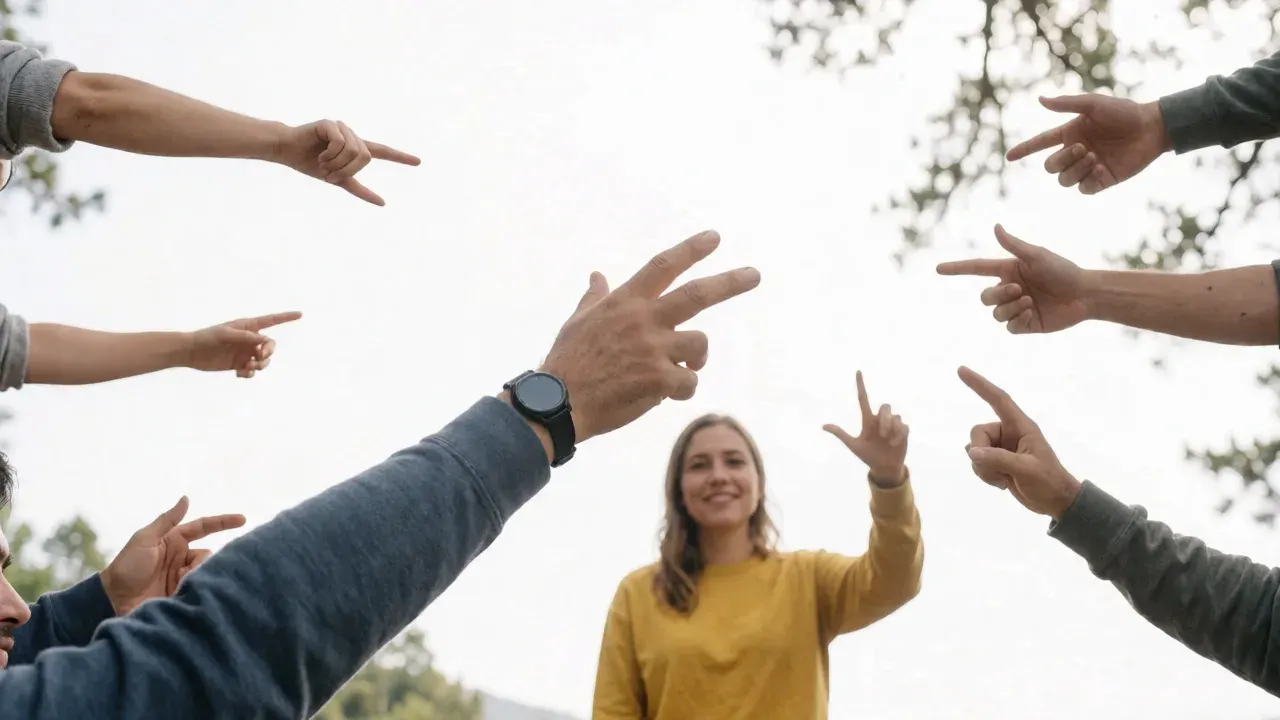
A new policy framework released by the UC Berkeley Possibility Lab suggests that California’s next administration should prioritize a fundamental shift in how the state interacts with its residents. According to the research group, the proposed agenda focuses on a concept known as co-governance, which involves state agencies working directly with community organizations and local leaders to design and implement public programs. This approach seeks to move beyond traditional election cycles to ensure that the people most impacted by policy decisions have a consistent role in shaping them.
Public Sentiment and the Need for Engagement
The push for reform follows data indicating a disconnect between the state government and its constituents. CalMatters reports that a survey of 2,007 Californians revealed that only 32% of respondents expressed trust in the state government's ability to act correctly most of the time. Furthermore, more than half of those surveyed felt the state is not responsive to citizens with similar backgrounds or experiences. The data suggests a strong desire for more influence, with approximately 80% of respondents stating that everyday residents should have more direct impact on public policies.
The survey also highlights expectations for future leadership, noting that 75% of participants believe the governor should take more action to increase civic involvement. Additionally, nearly 70% of those surveyed indicated that improving civic engagement should be a primary goal for the next governor. More than 60% of respondents expressed a personal interest in finding more ways to interact directly with state government leaders.

Structural Reforms for State Leadership
To address these issues, the Possibility Lab outlines a series of 20 specific proposals intended for implementation within a new governor's first 100 days. The first major pillar of this agenda involves establishing leadership and capacity within the state government. The Lab suggests that the incoming governor should issue an executive order regarding civic engagement and appoint a cabinet-level chief civic innovation officer to coordinate efforts across various state agencies.
The proposal also includes the creation of a Future of Civic Health Commission. This body would reportedly serve as a collaborative space for government officials, tribal representatives, youth leaders, researchers, businesses, and philanthropic organizations to create California's first Master Plan for Civic Engagement. Under this model, individual state departments would be required to set specific engagement targets, perform annual assessments of their outreach, and establish benchmarks to track progress and accountability.
Investing in Research and Infrastructure
A second goal of the proposed agenda is the development of an infrastructure designed to test and evaluate different methods of public participation. The Lab recommends establishing a California Civic Health Institute, which would function similarly to the National Institutes of Health by supporting community-based research and monitoring civic health levels throughout the state. This institute would be supported by an annual Civic Innovation Challenge to fund projects that address policy problems based on community-defined priorities.
To ensure data is accessible, the agenda proposes a digital knowledge commons and a regular Civic Pulse survey to collect resident feedback. The Lab also advocates for professional development through programs like the State of Engagement Fellowship to train government employees in collaborative methods. These tools are intended to create a system where successful engagement strategies can be identified through evidence and then scaled across the government.
Promoting Inclusive and Lasting Participation
The third and fourth pillars of the agenda focus on making engagement more inclusive and ensuring its long-term sustainability. To improve representation, the Lab suggests that state board and commission appointments must reflect the state's diversity, including the inclusion of tribal members. The proposal specifically recommends that at least one person aged 30 or younger serve on every state board or commission. Furthermore, the agenda calls for the creation of a standing California Civic Assembly to deliberate on key issues and provide recommendations to the legislature and the governor.
Recognizing that trust and institutional stability require time, the Lab recommends a five-year funding commitment for the proposed Civic Health Institute. They also suggest a joint funding model between the government and private philanthropy. To support an informed public, the agenda urges the next governor to expand investments in local and ethnic nonpartisan journalism. The Lab concludes that by institutionalizing these processes, the state can better leverage the unique knowledge held by Californians to inform more effective government decisions.
Source: CalMatters. Prepared with AI assistance from the linked reporting.
More in California
- Five Tax Measures on California’s Ballot Aim to Reshape State Finances
Propositions 3, 40–43 would alter income, wealth and local taxation rules—marking the highest number of tax measures on a general election ballot since 1994.
- Catalina Helicopter Crash Highlights Risks of Island Medevac Flights
A medical evacuation chopper carrying Catalina Romero, pilot, and nurse Jessica Devries crashed into the ocean shortly after takeoff, killing all three; federal investigators are assessing causes including night flying, spatial disorientation, and the island’s challenging Pebbly Beach heliport.
- John Densmore Jam Sessions Bring Generational Harmony to Homeboy Art Academy
Doors drummer John Densmore, 81, brings improvisational spirit and reflective insight to Los Angeles’ Homeboy Art Academy, inspiring students and instructors alike through music, dialogue and shared healing.