Taung Child Study Reveals Complex Human Evolution
New research on the Taung Child fossil challenges previous assumptions about early human evolution, suggesting a more complex and interconnected family tree.

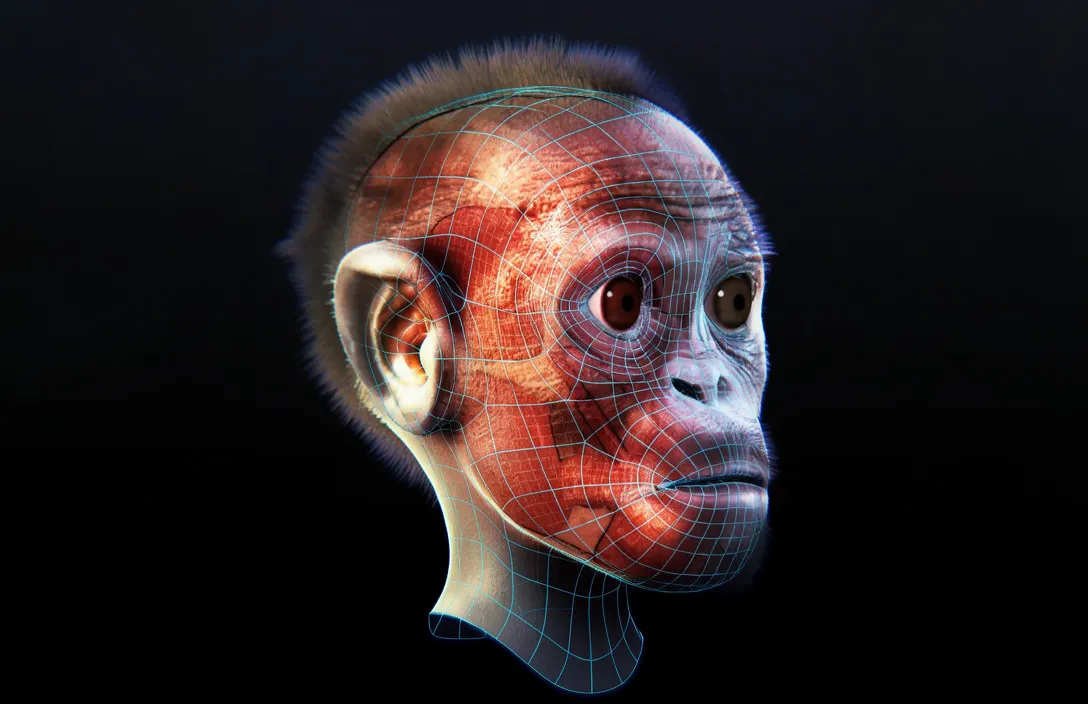
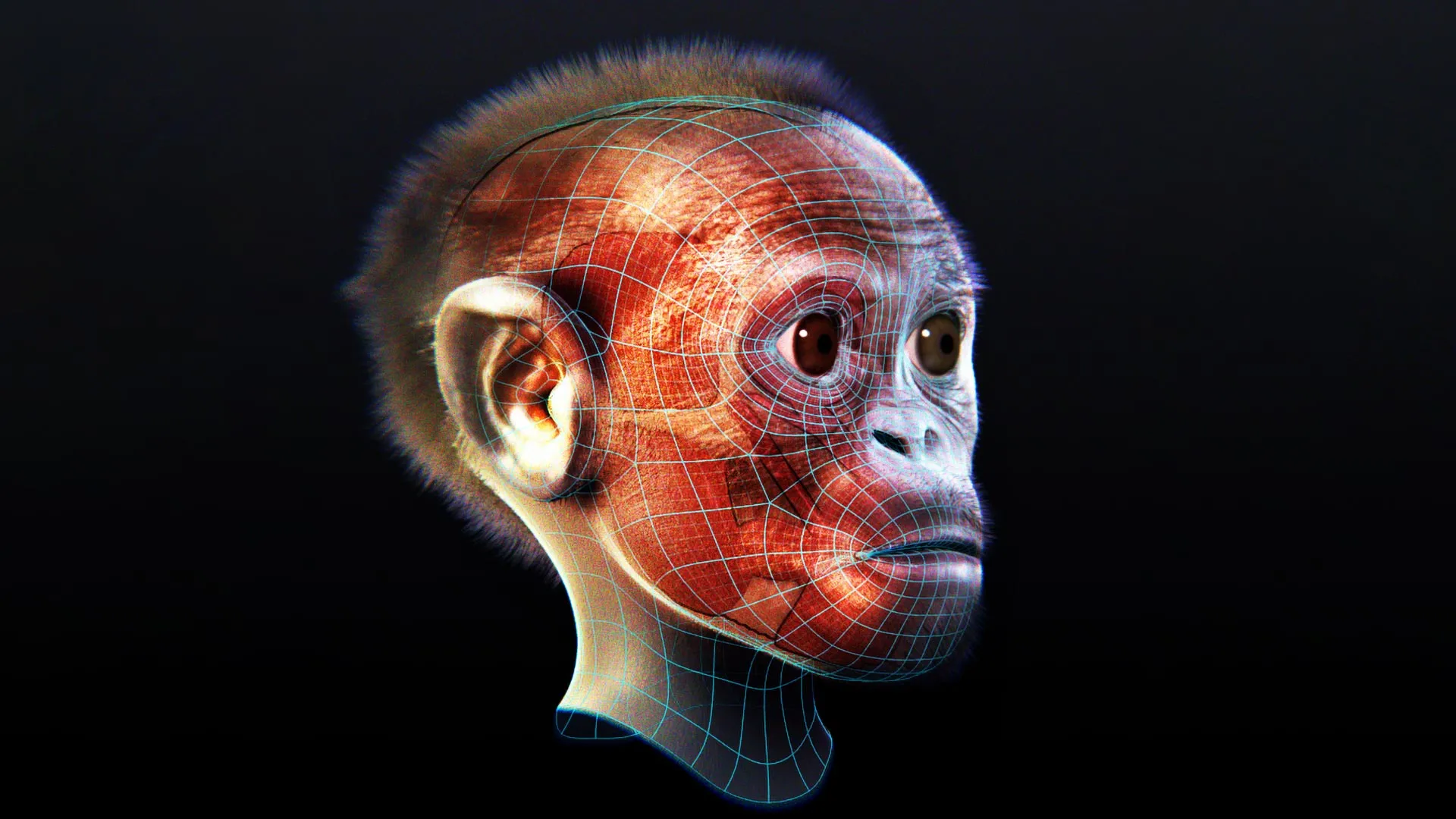
A new study published in Nature has dated the Taung Child fossil to between 2.96 and 3.03 million years ago, suggesting that the human family tree in southern Africa was more complex than previously believed (source ID: 1). The research, led by Professor Gabriele Macho of the Vrije Universiteit Brussel, challenges long-standing assumptions about the evolution of early human relatives and their relationships. The Taung Child, discovered in South Africa in 1924, was the first concrete evidence supporting the African origins of humanity and served as the type specimen for Australopithecus africanus. However, scientists have never established definitive criteria for assigning other fossils to this species, leaving the Taung Child as the only fossil that can be identified with certainty as Australopithecus africanus (source ID: 1). [1]
By examining tooth structure and patterns of brain and dental development in the Taung Child and other early human fossils, researchers found significant differences in developmental patterns among adult fossils traditionally classified as Australopithecus africanus (source ID: 1). These differences suggest that some fossils previously grouped into a single species may actually represent several distinct hominin species that inhabited the Sterkfontein region during different periods or simultaneously. The findings raise important questions about the diversity of early human ancestors and indicate that human evolution followed a more complicated path than previously assumed (source ID: 1). [1]
The researchers believe that dramatic environmental changes in southern Africa played a major role in shaping the diversity of early human relatives. Repeated shifts between wetter and drier climates over millions of years transformed the landscape and habitats available to hominin populations, leading to geographic isolation, evolution along different paths, and eventual interbreeding (source ID: 1). Fossilized pollen evidence also reveals that the region surrounding the Taung Child was once considerably wetter and more heavily forested than it is today, with tree species now found hundreds of kilometers to the northeast (source ID: 1). [1]
A new study published in Nature has dated the Taung Child fossil to between 2.96 and 3.03 million years ago, suggesting that the human family tree in southern Africa was more complex than previously believed (source ID: 1). The international study was led by Professor Gabriele Macho of the Archaeology, Environmental Changes and Geo-Chemistry (AMGC) research group at Vrije Universiteit Brussel (VUB). The findings challenge long-standing assumptions about how early human relatives evolved and how different species were related. [1]
Advertisement
First discovered in South Africa in 1924, the Taung Child provided the first concrete evidence supporting the African origins of humanity. It also became the original 'type specimen' used to define the species Australopithecus africanus. However, scientists never established definitive criteria for assigning later fossil discoveries to this species. As a result, the Taung Child remains the only fossil that can be identified with certainty as Australopithecus africanus. [1]
To investigate how the Taung Child compared with other early human relatives, researchers examined tooth structure and patterns of brain and dental development during growth. They found that several adult fossils traditionally classified as Australopithecus africanus followed developmental patterns that differed from those of the Taung Child. Differences in brain development were particularly revealing. They suggest that fossils previously grouped into a single species may actually represent several distinct hominin species that inhabited the Sterkfontein region, either at the same time or during different periods. [1]
A new study published in Nature has dated the Taung Child fossil to between 2.96 and 3.03 million years ago, suggesting that the human family tree in southern Africa was more complex than previously believed (source ID: 1). First discovered in South Africa in 1924, the Taung Child provided the first concrete evidence supporting the African origins of humanity. It also became the original "type specimen" used to define the species Australopithecus africanus. [1]
To investigate how the Taung Child compared with other early human relatives, researchers examined tooth structure and patterns of brain and dental development during growth. They found that several adult fossils traditionally classified as Australopithecus africanus followed developmental patterns that differed from those of the Taung Child. Differences in brain development were particularly revealing (source ID: 1). [1]
Advertisement
The researchers believe that dramatic environmental changes played a major role in creating this evolutionary diversity. Millions of years ago, southern Africa experienced repeated shifts between wetter and drier climates, continually transforming the landscape and the habitats available to early human relatives (source ID: 1). [1]
Evidence preserved in fossilized pollen indicates that the region was once considerably wetter and more heavily forested than it is today. Researchers identified evidence of tree species that are now found hundreds of kilometers to the northeast, suggesting that the landscape surrounding the Taung Child was dramatically different from modern South Africa (source ID: 1). [1]
A new study published in Nature has dated the Taung Child fossil to between 2.96 and 3.03 million years ago, suggesting that the human family tree in southern Africa was more complex than previously believed (source ID: 1). The international study was led by Professor Gabriele Macho of the Archaeology, Environmental Changes and Geo-Chemistry (AMGC) research group at Vrije Universiteit Brussel (VUB). The findings challenge long-standing assumptions about how early human relatives evolved and how different species were related. [1]
First discovered in South Africa in 1924, the Taung Child provided the first concrete evidence supporting the African origins of humanity. It also became the original "type specimen" used to define the species Australopithecus africanus. However, scientists never established definitive criteria for assigning later fossil discoveries to this species (source ID: 1). As a result, the Taung Child remains the only fossil that can be identified with certainty as Australopithecus africanus. [1]
Advertisement
To investigate how the Taung Child compared with other early human relatives, researchers examined tooth structure and patterns of brain and dental development during growth. They found that several adult fossils traditionally classified as Australopithecus africanus followed developmental patterns that differed from those of the Taung Child (source ID: 1). These findings raise important questions about the diversity of our ancient ancestors and suggest that early human evolution followed a much more complicated path than scientists once assumed. [1]
Sources
Prepared with AI assistance from the cited sources.
The Cali Reporter newsletter
The stories worth your time.
California, the country, and what comes next. Join our free newsletter for reporting that keeps you informed.
More in Science
- Volcanic Eruption Reshapes Iwo Jima’s Coastline
A recent volcanic eruption near Iwo Jima has temporarily extended the island's black sand beaches, though the longevity of the new land remains uncertain.
- Galaxies in the NGC 7771 Group Engage in Cosmic Merger
Astronomers have observed a group of galaxies in the NGC 7771 Group, which is located approximately 200 million light-years away in the constellation Pegasus. These galaxies are in the process of merging, a phenomenon…
- NASA Awards Contract for NOAA’s Near Earth Orbit Network Program
NASA has awarded a contract to Northrop Grumman Systems Corporation for the Sounder for Microwave-Based Applications (SMBA) instruments on NOAA’s Near Earth Orbit Network (NEON) satellites. The contract includes a…