Successful Transition to Adulthood for Prematurely Born Individuals
A new Swedish study indicates that most individuals born with extremely low birth weight successfully transition into adult life, though challenges remain.

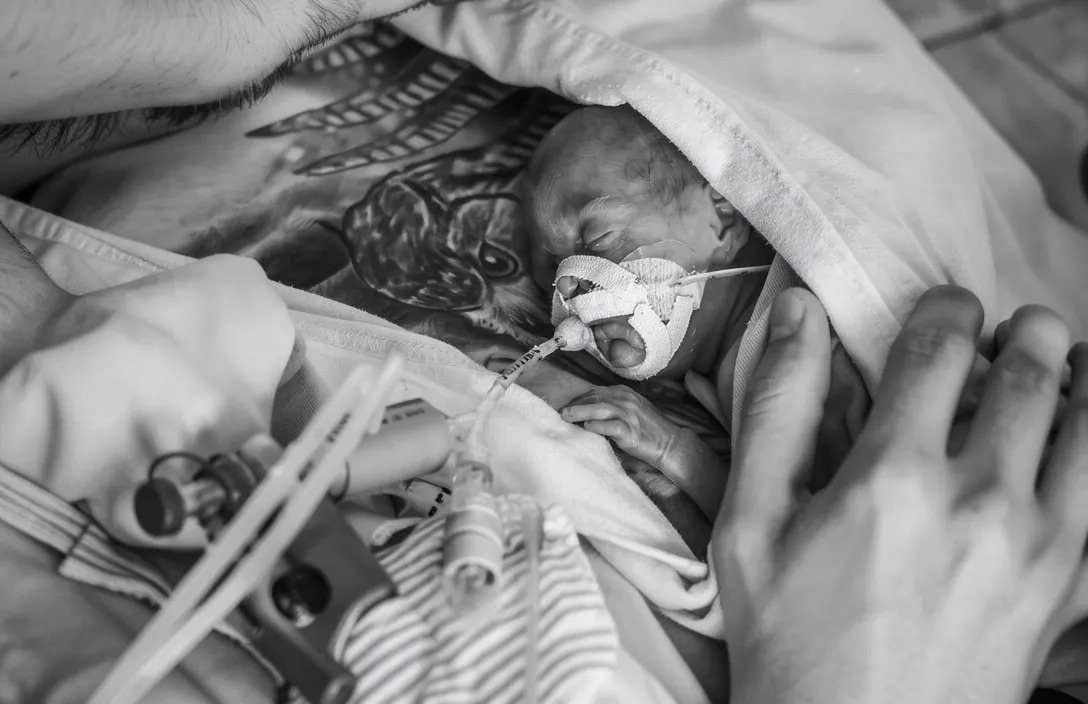

A new Swedish study shows that most individuals born with extremely low birth weight—less than 1,000 grams—lead independent lives, participate in work or education, and have established relationships by their late 20s (source ID 1). The study included 201 individuals born between April 1990 and March 1992, who were surveyed when they were aged 26–29. Their responses were compared with those of 327 individuals born at full term. According to the findings, 91% of the prematurely born individuals lived independently, compared with 97% in the control group (source ID 1). [1]
The study also found that 85% of individuals born with extremely low birth weight were in employment or education, compared with 93% in the control group, and 80% had ever been in a romantic relationship, compared with 88% in the control group (source ID 1). However, no differences were observed between the groups in terms of having completed upper secondary education, having close friends, or becoming a parent (source ID 1). [1]
Researchers note that the transition to adulthood can present greater challenges for individuals born at the earliest gestational ages or those with disabilities. The study highlights that support may still be needed beyond childhood, as individuals born with extremely low birth weight are at increased risk of both physical and mental ill health (source ID 1). [1]
A new Swedish study shows that most individuals born with extremely low birth weight—less than 1,000 grams—lead independent lives, participate in work or education, and have established relationships by their late 20s (source ID 1). The study included adults who had been born weighing less than 1,000 grams and compared their outcomes with a control group of individuals born at full term. Researchers found that 91% of the extremely low birth weight group lived independently, compared with 97% in the control group (source ID 1). [1]
Advertisement
The study also found that 85% of individuals born with extremely low birth weight were in employment or education, compared with 93% in the control group, and 80% had ever been in a romantic relationship, compared with 88% in the control group (source ID 1). The research team investigated how well people born prematurely transition into adult life, assessing six key markers: independent living, employment and education, romantic relationships, friendships and parenthood (source ID 1). [1]
Researchers note that the transition to adulthood can present greater challenges for individuals born at the earliest gestational ages or those with disabilities (source ID 1). The study looked at 201 people born in Sweden between April 1990 and March 1992 with a birth weight of no more than 1,000 grams. Their survey responses were then compared with those of 327 people born at full term (source ID 1). [1]
A new Swedish study shows that most individuals born with extremely low birth weight—less than 1,000 grams—lead independent lives, participate in work or education, and have established relationships by their late 20s (source ID 1). The research involved 201 individuals born in Sweden between April 1990 and March 1992 with a birth weight of no more than 1,000 grams. These participants were surveyed when they were aged 26–29, and their responses were compared with those of 327 people born at full term (source ID 1). [1]
The study found that 91% of individuals born with extremely low birth weight lived independently, compared with 97% in the control group. Additionally, 85% of the prematurely born group were in employment or education, compared with 93% in the control group (source ID 1). The findings indicate that while most individuals born with extremely low birth weight make a successful transition to adulthood, some differences exist between the groups in terms of independent living and participation in the labor market or education (source ID 1). [1]
Advertisement
The research also noted that 80% of individuals born with extremely low birth weight had ever been in a romantic relationship, compared with 88% in the control group (source ID 1). The study highlights that the transition to adulthood can present greater challenges for individuals born at the earliest gestational ages or those with disabilities (source ID 1). [1]
A new Swedish study shows that most individuals born with extremely low birth weight—less than 1,000 grams—lead independent lives, participate in work or education, and have established relationships by their late 20s (source ID 1). The research involved 201 individuals born in Sweden between April 1990 and March 1992 with a birth weight of no more than 1,000 grams. These individuals were surveyed when they were aged 26–29, and their responses were compared with those of 327 people born at full term (source ID 1). [1]
The study found that 91% of individuals born with extremely low birth weight lived independently, compared with 97% in the control group. Additionally, 85% of individuals born with extremely low birth weight were in employment or education, compared with 93% in the control group (source ID 1). The research also noted that 80% of individuals born with extremely low birth weight had ever been in a romantic relationship, compared with 88% in the control group (source ID 1). [1]
Researchers emphasize that while most individuals born with extremely low birth weight have successfully transitioned into adulthood, the transition can present greater challenges for those born at the earliest gestational ages or those with disabilities (source ID 1). The study highlights the importance of continued support for these individuals, even after medical follow-up during childhood has concluded (source ID 1). [1]
Advertisement
The Cali Reporter newsletter
The stories worth your time.
California, the country, and what comes next. Join our free newsletter for reporting that keeps you informed.
More in Health & Medicine
- Understanding Fascia and the Evidence Behind Fascia Release
Fascia is a connective tissue that plays a structural role in the human body, but evidence supporting specific exercises or tools for 'fascia release' remains limited.
- Antidepressant Effectiveness and Long-Term Use
A new review suggests that some antidepressants may be more effective than others in helping people manage depression symptoms over the long term, according to a study published in The Lancet Psychiatry.
- Experimental Weight-Loss Drug Shows Promise for Knee Osteoarthritis Pain
A new study suggests that an experimental weight-loss drug, retatrutide, may significantly reduce knee pain in people with osteoarthritis and obesity.