

Study Reveals How Aggressive Prostate Cancer Blocks Immune Cells From The Start
New research highlights a key mechanism for immune evasion in a deadly cancer variant

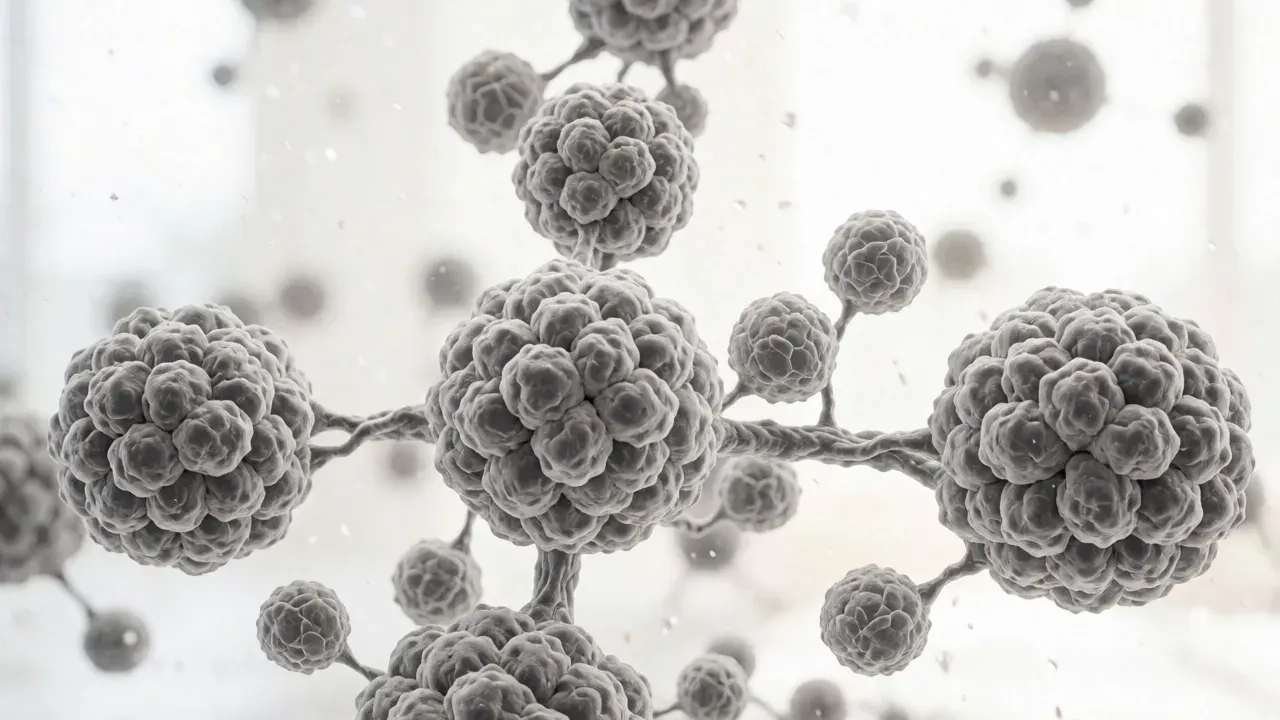
Prostate cancer is often a manageable condition for many men. The American Cancer Society notes a five-year survival rate of 98 percent for the disease. However, there is a specific and aggressive form of the diagnosis that defies standard treatments. This variant is known as neuroendocrine prostate cancer, or NEPC. It is considered an "immunologically cold" tumor. This means it does not respond to the immunotherapy drugs that have revolutionized other forms of cancer care. Doctors often struggle with this specific type because it lacks T cells. T cells are critical components of our immune system that target and destroy cancer cells. Without them, standard immunotherapy cannot work. A new study from The Wistar Institute has identified a potential reason why this immune response fails. The researchers found a link between the nervous system and the rapid development of NEPC.
The study published in the journal Oncogene uncovered the work of a specific neurotransmitter. Researchers identified neuromedin U, or NMU, as a key player in this process. They found high levels of NMU in prostate cells during the very earliest phase of NEPC formation. This neurotransmitter usually supports critical functions in the human body. It helps regulate blood pressure, responds to stress, and keeps hormones in check. In the context of this cancer, however, the levels become excessive. This abundance of NMU effectively blocks the migration of T cells to the prostate. It does this by activating neutrophils. These neutrophils then suppress the T cells that would normally lead the immune attack. It is a communication breakdown that allows the cancer to build a protective shield before it fully forms.
Michela Perego, Ph.D., a research assistant professor in the Altieri lab and first author of the study, explained the significance of these findings. She noted that the immune system and cancers have long been known to communicate. This communication has led to transformative therapies for diseases once thought untreatable. This new research reveals that cancer is also communicating with the nervous system. For a cancer that currently lacks effective therapeutic options, this opens a new door. The team used a mouse model to observe these activities before cancer developed. They observed the excessive amount of NMU. By blocking the communication between the destructive NMUs working for NEPC, they were able to disarm them. This action allowed the T cells to return to the prostate. It reinforced the anti-tumor immune response and restored sensitivity to immunotherapy.

The lead author of the study, Dario C. Altieri, M.D., president and CEO of the Ellen and Ronald Caplan Cancer Center and Robert and Penny Fox Distinguished Professor at The Wistar Institute, emphasized the clinical potential. "Neuromedin U turned out to be a linchpin," Altieri stated. The tumor uses NMU to build a shield of protective immune cells around it. When the signal is removed, the shield comes down. This discovery is vital for a cancer with limited options. Identifying a target that reopens the door to immunotherapy is a significant step forward. The researchers believe that disrupting this pathway to stop the overproduction of NMU could turn "cold" tumors "hot." When used together, this approach could make these tumors new targets for immunotherapy and present a new way to approach cancer that has proven nearly impossible to stop or slow down.
Understanding the biological mechanics of this process provides hope where there was previously little. The ability to reprogram myeloid immunosuppression in neuroendocrine prostate cancer offers a pathway for future development. While these findings are based on research in a mouse model, the implications for human health are profound. The identification of NMU as a linchpin allows scientists to focus their efforts on a specific molecular target. This specificity is crucial for developing treatments that work without causing widespread collateral damage to the body. As research continues, the goal is to translate these laboratory findings into therapies that patients can access. The ability to target the nervous system's role in cancer growth represents a shift in how we might view and treat these complex diseases.
First reported by Medical Xpress.
More in Health & Nutrition
- Long-term opioid use fails to alleviate chronic back pain, Northwestern University study suggests
Researchers identified distinct brain activity patterns and molecular markers that may guide future treatments for pain management and opioid tapering.
- Human tau seeds trigger disease-specific shapes in mouse brains, new study finds
Study in Nature shows that injectable human tau aggregates from Alzheimer’s and corticobasal degeneration template their 3D folds onto mouse tau, supporting the prion-like seeding model.
- Menopause Largely Missing from Electronic Health Records Despite Its Health Impact
study of nearly 240,000 women finds only 12% of electronic records include menopause status, even though over half reported being in transition.