

New Brain Scan Study Reveals How The MIND Diet Keeps The Old Grey Matter Flexible
A new study shows the MIND diet protects brain blood vessels and structure without needing dramatic lifestyle changes.

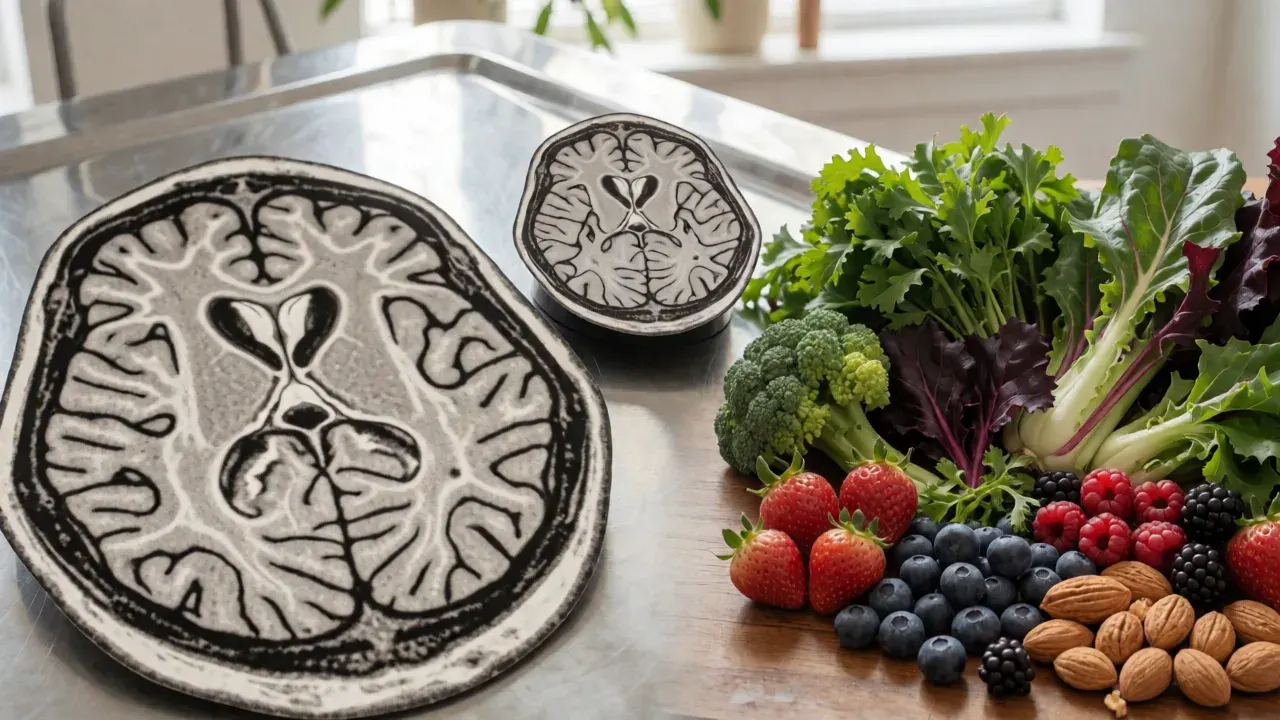
Let’s be real about the elephant in the room. As we get older, the idea of cognitive decline or dementia feels less like a far-off possibility and more like a looming shadow. We all want to keep our wits about us, but the market is flooded with quick fixes and miracle supplements that rarely deliver. A new study published in the journal Alzheimer’s & Dementia offers a piece of evidence that feels less like hype and more like a solid strategy. It suggests that a specific way of eating can actually protect your brain’s plumbing and structure.
The research comes from a team led by Puja Agarwal. She is an assistant professor of internal medicine at Rush University in Chicago. Her work focuses on the intersection of nutrition and brain health. For this study, Agarwal and her colleagues looked at data from over 700 older adults who did not have a known diagnosis of dementia. These participants filled out detailed questionnaires about what they ate and took a battery of cognitive tests. They also underwent a brain MRI scan to see exactly what was happening inside their heads.
The findings are pretty encouraging. The researchers found a strong link between following the MIND diet and healthier brain vessels. This vascular health is associated with larger brain volume and better cognitive function. The study also looked at cerebrovascular health specifically. It revealed that people who stuck closer to the MIND diet had less hardening and narrowing of the small blood vessels in their brains. They also showed fewer signs of white matter scarring, which is often associated with dementia.

Here is the part that might surprise you. Agarwal noted that the relationship between the diet and brain health remained significant even when they accounted for other factors like physical activity, body mass index, race and vascular disease. This suggests that the diet may have an independent role in supporting brain health. It implies that what you put on your plate matters deeply, regardless of how much you exercise or your overall vascular history.
So, what is the MIND diet exactly? As its full name suggests, the MIND diet combines elements of two other well-known healthy diets, the Mediterranean and DASH diets. The MIND diet focuses on foods that are good for both the brain and the heart. It emphasizes eating more leafy green vegetables and increasing berry consumption. It also encourages choosing whole grains, nuts, olive oil, beans and legumes. On the flip side, it asks you to limit fried foods, reduce butter consumption and cut back on sweets, pastries and processed red meat.
The study titled MIND diet, cerebrovascular health, and cognition among community-dwelling older adults details these findings. It links the dietary patterns to lower levels of cerebral small vessel disease and better brain structure. The researchers argue that these factors explain why better diet quality is linked to better cognitive function. It is not just about calories. It is about the specific nutrients that support the delicate network of vessels and tissue in the brain.
If you are worried about making drastic changes overnight, you can relax. Agarwal and her team note that people may be able to support their brain health even if they adopt parts of the MIND diet gradually. You do not necessarily need to overhaul your pantry in one day. Increasing foods encouraged on the MIND diet, such as leafy greens and berries, while reducing foods like fried items, butter and pastries, may contribute to better long-term brain health. It is a long game, not a sprint.
This research adds to a body of evidence that diet not only affects overall health but also the structure and vascular health of the brain. It provides a possible underlying mechanism for how diet affects the brain. The publication details for this story are available in the Alzheimer’s & Dementia journal and the specific DOI for the study.
First reported by Medical Xpress.
More in Health & Nutrition
- Long-term opioid use fails to alleviate chronic back pain, Northwestern University study suggests
Researchers identified distinct brain activity patterns and molecular markers that may guide future treatments for pain management and opioid tapering.
- Human tau seeds trigger disease-specific shapes in mouse brains, new study finds
Study in Nature shows that injectable human tau aggregates from Alzheimer’s and corticobasal degeneration template their 3D folds onto mouse tau, supporting the prion-like seeding model.
- Menopause Largely Missing from Electronic Health Records Despite Its Health Impact
study of nearly 240,000 women finds only 12% of electronic records include menopause status, even though over half reported being in transition.