Study Finds Ownership of Pain-Relief Object Increases Tolerance
A study by Lingnan University suggests that feeling a sense of ownership over a pain-relieving object can improve pain tolerance, even when the object has no active ingredients.

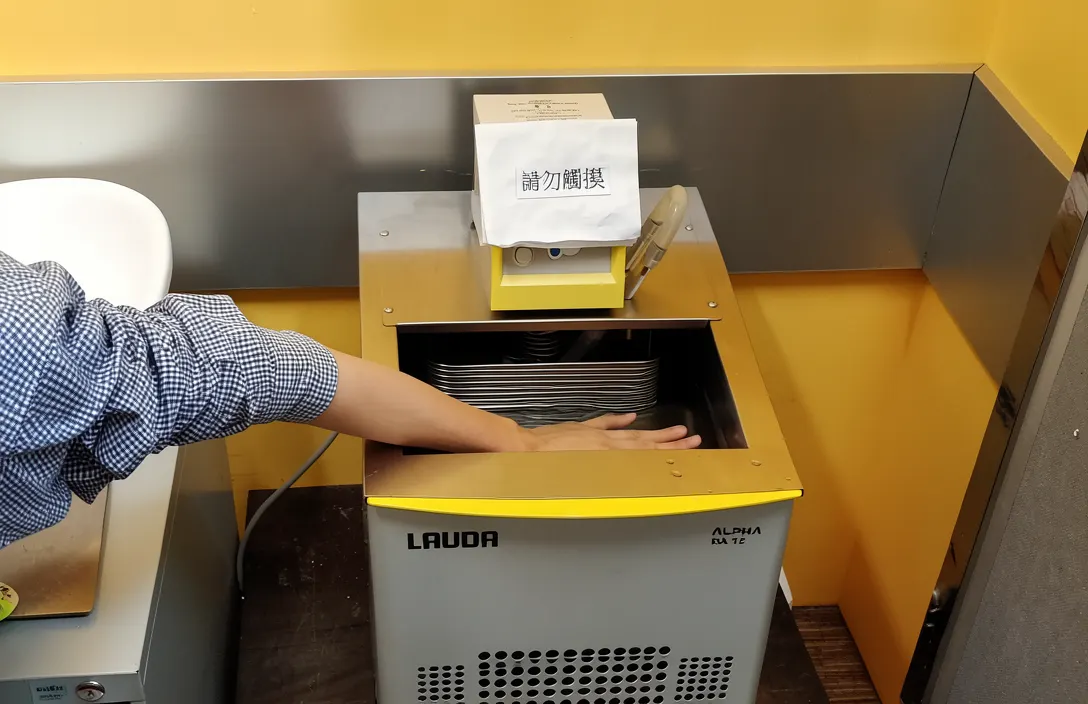

A study by the Department of Psychology at Lingnan University found that feeling a sense of ownership over an object believed to relieve pain may help people cope better with pain, even when the object itself contains no active ingredients (source ID 1). The research team recruited 187 healthy adults who had no chronic pain conditions or neurological disorders to participate in two controlled experiments using the cold pressor test (CPT). Participants were issued a cream and then completed the CPT, in which they were required to place their hands in cold water to measure how long it took them to first feel pain and how long they could tolerate the discomfort before withdrawing their hands. The results revealed that participants who felt a sense of ownership over a pain-relieving object and established a psychological connection with it experienced pain later and tolerated it for longer, even without actually using the object (source ID 1). [1]
The first study divided participants randomly into four groups. The first group received a cream labeled with their own name and was asked to sign a form confirming ownership of the cream and to write about why it was important to them. The second group received an identical cream labeled with a stranger's name and wrote about why it was not important to them. Neither group actually used the cream, and they were unaware that it was a placebo containing no active pain-relieving ingredients (source ID 1). The results revealed that the first group, who received the cream labeled with their own name and developed a stronger psychological attachment to it, experienced pain significantly later than participants in the other groups. On average, they first felt pain after 8.03 seconds, compared with 3.92 to 5.14 seconds in the other groups (source ID 1). [1]
The research team conducted a second study to examine whether participants needed to consciously think about the importance of the object for the effect to occur. The results revealed that conscious reflection was not necessary. Participants who owned the placebo cream formed an automatic psychological association between themselves and the object. These participants tolerated pain for an average of 85.3 seconds, compared with 53.8 seconds among those who did not own the cream, representing an increase of nearly 60% (source ID 1). The findings suggest that ownership can create a psychological connection "without deliberate thought," and that this automatic connection is associated with greater pain tolerance (source ID 1). [1]
A study conducted by the Department of Psychology at Lingnan University found that participants who felt a sense of ownership over a placebo cream experienced pain later and tolerated it for longer, even though the cream contained no active ingredients (source ID 1). The research team used the cold pressor test (CPT) to measure pain response in 187 healthy adults with no chronic pain conditions or neurological disorders. Participants were divided into four groups and given a cream labeled with their own name, a stranger's name, an unrelated label, or no cream at all. The first group, which received the cream labeled with their own name and established a psychological connection with it, experienced pain significantly later than the other groups. On average, they first felt pain after 8.03 seconds, compared with 3.92 to 5.14 seconds in the other groups. [1]
Advertisement
The study also found that participants who felt a sense of ownership over the placebo cream tolerated pain for an average of 105 seconds, which was significantly longer than the 53 to 66 seconds observed in the other groups (source ID 1). The research team conducted a second study to determine whether conscious reflection was necessary for the effect to occur. The results showed that conscious reflection was not required. Participants who owned the placebo cream formed an automatic psychological association between themselves and the object, tolerating pain for an average of 85.3 seconds, compared with 53.8 seconds among those who did not own the cream. This suggests that ownership can create a psychological connection without deliberate thought, and that this automatic connection is associated with greater pain tolerance. [1]
The research team emphasized that the findings suggest that a sense of ownership itself may be an important factor in shaping pain responses. The study highlights that granting patients ownership of a treatment-related object and the psychological connection they establish with it may influence how pain is experienced (source ID 1). Professor Victoria Yeung Wai-lan, who led the study, noted that past research often focuses on the actual effects of treatments, but this study shows that the psychological connection people establish with treatment-related objects may also influence treatment responses. The findings may provide new directions for healthcare research and clinical practice, suggesting that personalized treatment-related objects may help reduce anxiety and support pain management during medical procedures. [1]
A study conducted by the Department of Psychology at Lingnan University found that participants who felt a sense of ownership over a placebo cream experienced pain later and tolerated it for longer, even though the cream contained no active ingredients (source ID 1). The research team recruited a total of 187 healthy adults who had no chronic pain conditions or neurological disorders to participate in two controlled experiments using the cold pressor test (CPT), obtaining valid data for analysis. In the experiments, participants were issued a cream and then completed the CPT, in which they were required to place their hands in cold water to measure how long it took them to first feel pain and how long they could tolerate the discomfort before withdrawing their hands. [1]
The results revealed that participants who felt a sense of ownership over a pain-relieving object and established a psychological connection with it experienced pain later and tolerated it for longer, even without actually using the object (source ID 1). The first group, who received the cream labeled with their own name and developed a stronger psychological attachment to it, experienced pain significantly later than participants in the other groups. On average, they first felt pain after 8.03 seconds, compared with 3.92 to 5.14 seconds in the other groups. Their average pain tolerance time was about 105 seconds, which was significantly longer than the 53 to 66 seconds observed among the other participants. [1]
Advertisement
The research team conducted a second study to examine whether participants needed to consciously think about the importance of the object for the effect to occur. The results revealed that conscious reflection was not necessary. Participants who owned the placebo cream formed an automatic psychological association between themselves and the object. These participants tolerated pain for an average of 85.3 seconds, compared with 53.8 seconds among those who did not own the cream, representing an increase of nearly 60% (source ID 1). [1]
A study conducted by the Department of Psychology at Lingnan University found that participants who felt a sense of ownership over a placebo cream experienced pain later and tolerated it for longer, even though the cream contained no active ingredients (source ID 1). The research team recruited 187 healthy adults who had no chronic pain conditions or neurological disorders to participate in two controlled experiments using the cold pressor test (CPT), obtaining valid data for analysis. In the experiments, participants were issued a cream and then completed the CPT, in which they were required to place their hands in cold water to measure how long it took them to first feel pain and how long they could tolerate the discomfort before withdrawing their hands. [1]
The results revealed that participants who felt a sense of ownership over a pain-relieving object and established a psychological connection with it experienced pain later and tolerated it for longer, even without actually using the object (source ID 1). The first group, who received the cream labeled with their own name and developed a stronger psychological attachment to it, experienced pain significantly later than participants in the other groups. On average, they first felt pain after 8.03 seconds, compared with 3.92 to 5.14 seconds in the other groups. Their average pain tolerance time was about 105 seconds, which was significantly longer than the 53 to 66 seconds observed among the other participants. [1]
The research team conducted a second study to examine whether participants needed to consciously think about the importance of the object for the effect to occur. The results revealed that conscious reflection was not necessary. Participants who owned the placebo cream formed an automatic psychological association between themselves and the object. These participants tolerated pain for an average of 85.3 seconds, compared with 53.8 seconds among those who did not own the cream, representing an increase of nearly 60% (source ID 1). [1]
Advertisement
The Cali Reporter newsletter
The stories worth your time.
California, the country, and what comes next. Join our free newsletter for reporting that keeps you informed.
More in Health & Medicine
- Understanding Fascia and the Evidence Behind Fascia Release
Fascia is a connective tissue that plays a structural role in the human body, but evidence supporting specific exercises or tools for 'fascia release' remains limited.
- Antidepressant Effectiveness and Long-Term Use
A new review suggests that some antidepressants may be more effective than others in helping people manage depression symptoms over the long term, according to a study published in The Lancet Psychiatry.
- Experimental Weight-Loss Drug Shows Promise for Knee Osteoarthritis Pain
A new study suggests that an experimental weight-loss drug, retatrutide, may significantly reduce knee pain in people with osteoarthritis and obesity.