Strategies for Securing First Freelance Clients as a Student
This article explores practical steps for students with no experience to land their first freelance clients, focusing on targeted approaches and clear communication.

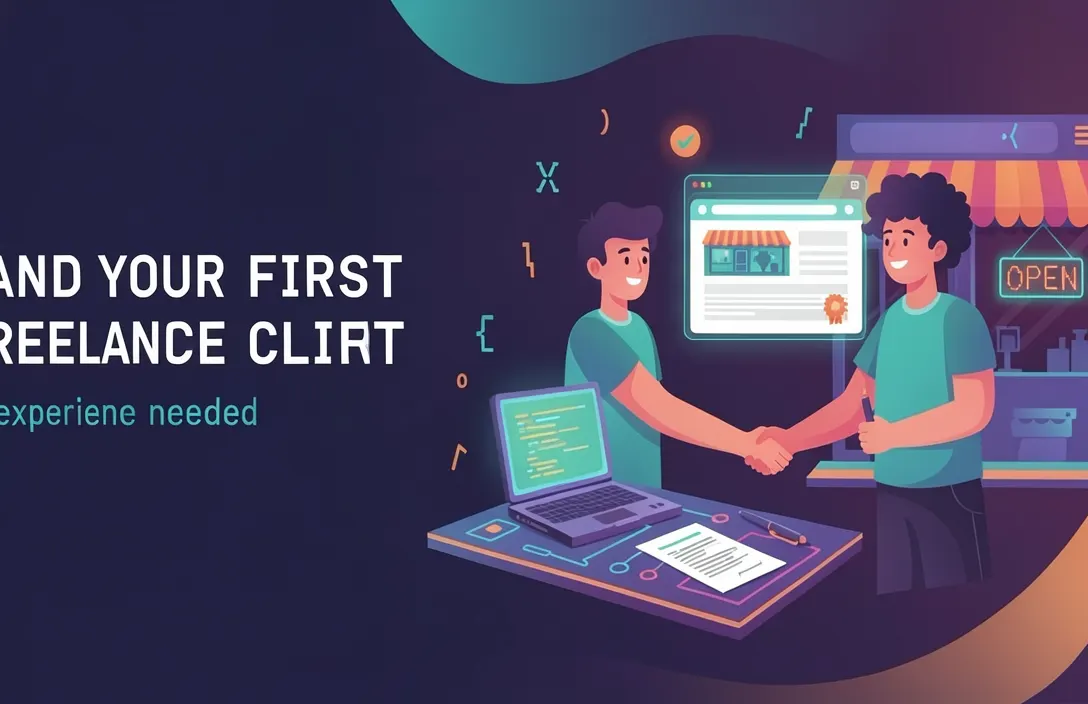

Landing the first freelance client as a student is challenging due to the lack of experience, reviews, or a robust portfolio. According to a guide on Dev.to, the first client rarely comes from a broad, generic outreach but rather from a specific, narrow offer directed at the right person. This approach requires patience and a clear understanding of the client's needs, as the process can take weeks rather than days. The guide emphasizes that the initial client is the hardest to secure, but once obtained, subsequent clients become easier to acquire. [1]
The guide suggests thinking of the process like fishing in the right pond, focusing on a specific niche rather than casting a wide net. Students are advised to identify a particular group of clients and a specific problem they can solve for them. For example, targeting local businesses that need simple websites or outdated landing pages. This strategy increases the chances of success because it allows the freelancer to speak directly to the client's needs and demonstrate a clear understanding of the problem they are solving. [1]
Before reaching out to potential clients, the guide recommends building a portfolio with sample projects that match the freelancer's offer. These samples can be concept redesigns of real local businesses or mockups of websites tailored to specific industries. Creating these samples helps demonstrate the freelancer's ability to take an idea from concept to a working result. Additionally, the guide suggests starting with a narrow, clear offer, such as building one-page websites for local restaurants, which is easier for potential clients to understand and say yes to. [1]
The guide also highlights the importance of approaching potential clients in a thoughtful and non-intrusive manner. Cold messages should be short, specific, and easy to say yes to, such as offering a quick mockup of a mobile-friendly website for a local business. It is advised to follow up politely after several days if no response is received. Additionally, the guide recommends starting warm by reaching out to people the student already knows, such as family, friends, or teachers, and asking if they know anyone who might need the freelancer's services. [1]
Advertisement
Landing the first freelance client as a student is difficult due to the lack of experience, reviews, or a robust portfolio. According to Dev.to, the guide emphasizes that clients often expect experience, which makes it hard for beginners to find their first client. The guide suggests that the first client rarely arrives from a magical platform or a viral post but rather from a small, specific offer put in front of the right person. This highlights the importance of patience and persistence in the process, as the first client is the hardest to acquire, and the second and third are easier, with the bigger prize being proof of a real project and testimonial. [1]
The guide recommends thinking of the process like fishing in the right pond, focusing on a specific niche rather than casting a wide net. Dev.to explains that beginner freelancers usually make the mistake of targeting a broad audience, such as posting "I'm a developer, hire me!" everywhere. This approach is less effective than choosing a specific type of client and a particular problem to solve for them, such as helping local shops or salons with outdated websites. This strategy increases the chances of success by making the offer more targeted and easier for potential clients to understand and say yes to. [1]
Before reaching out to potential clients, the guide suggests building a portfolio with sample projects that match the freelancer's offer. Dev.to emphasizes that having paid work is not a prerequisite for creating a portfolio. Instead, students can create sample projects, such as a demo restaurant site or a mock landing page for a coaching center, to showcase their skills. These samples should be presented in a portfolio with a short explanation of the problem and what was built. This approach helps demonstrate the ability to take a real need from idea to a working result, which is crucial for gaining the trust of potential clients. [1]
Landing the first freelance client as a student is difficult due to the lack of experience, reviews, or a robust portfolio. The guide suggests thinking of the process like fishing in the right pond, focusing on a specific niche rather than casting a wide net (Dev.to). This approach increases the likelihood of connecting with potential clients who have specific needs that align with the freelancer's skills and offerings. By narrowing the focus, students can create a more targeted and effective outreach strategy. [1]
Advertisement
Before reaching out to potential clients, the guide recommends building a portfolio with sample projects that match the freelancer's offer (Dev.to). These samples serve as proof of the freelancer's ability to deliver results, even in the absence of paid work. Creating a few high-quality sample projects can demonstrate the freelancer's skills and provide tangible evidence of their capabilities to potential clients. [1]
The guide also highlights the importance of approaching potential clients in a thoughtful and non-intrusive manner (Dev.to). Cold messages should be short, specific, and easy to say yes to. This includes showing that the freelancer has researched the client's business, identifying a real problem, and offering a small, concrete solution. Following up politely after several days if there is no response is also recommended, as silence does not necessarily mean a rejection. [1]
Landing the first freelance client as a student is challenging due to the lack of experience, reviews, or a robust portfolio. According to Dev.to, the guide suggests thinking of the process like fishing in the right pond, focusing on a specific niche rather than casting a wide net. This approach increases the likelihood of success by targeting potential clients who have a specific need that aligns with the freelancer's offer (Dev.to). [1]
Before reaching out to potential clients, the guide recommends building a portfolio with sample projects that match the freelancer's offer. Dev.to emphasizes that creating a few solid samples beats having many half-finished ones. These samples should demonstrate the ability to take a real need from idea to a working result, which helps establish credibility with potential clients (Dev.to). [1]
Advertisement
The guide also highlights the importance of approaching potential clients in a thoughtful and non-intrusive manner. Dev.to provides examples of effective outreach, such as mentioning a specific problem a client may have and offering a concrete solution. This method increases the chances of a positive response by showing genuine interest and understanding of the client's needs (Dev.to). [1]
Sources
Prepared with AI assistance from the cited sources.
The Cali Reporter newsletter
The stories worth your time.
California, the country, and what comes next. Join our free newsletter for reporting that keeps you informed.
More in Technology
- Modern Web Guidance 1.0 and Browser Compatibility
Modern Web Guidance 1.0, announced by Chrome for Developers on November 10, introduces browser compatibility data to assist coding agents in building web features. The initiative emphasizes the importance of fallback…
- Apache mod_http2 Vulnerability Detection with Nmap
A new Nmap scripting module has been developed to detect the Apache mod_http2 vulnerability (CVE-2026-119618), addressing the challenges of identifying affected systems accurately.
- Securing Remote Vendor Access in Industrial Networks
Best practices for managing remote vendor access in operational technology (OT) networks emphasize controlled access points, multifactor authentication, and time-bound sessions to reduce cybersecurity risks.