

State regulators crack down on polluted runoff from L.A. shopping centers, warehouses
California water regulators are finally forcing L.A. shopping centers and warehouses to confront the toxic runoff from their sprawling parking lots, the first time such rules have applied.
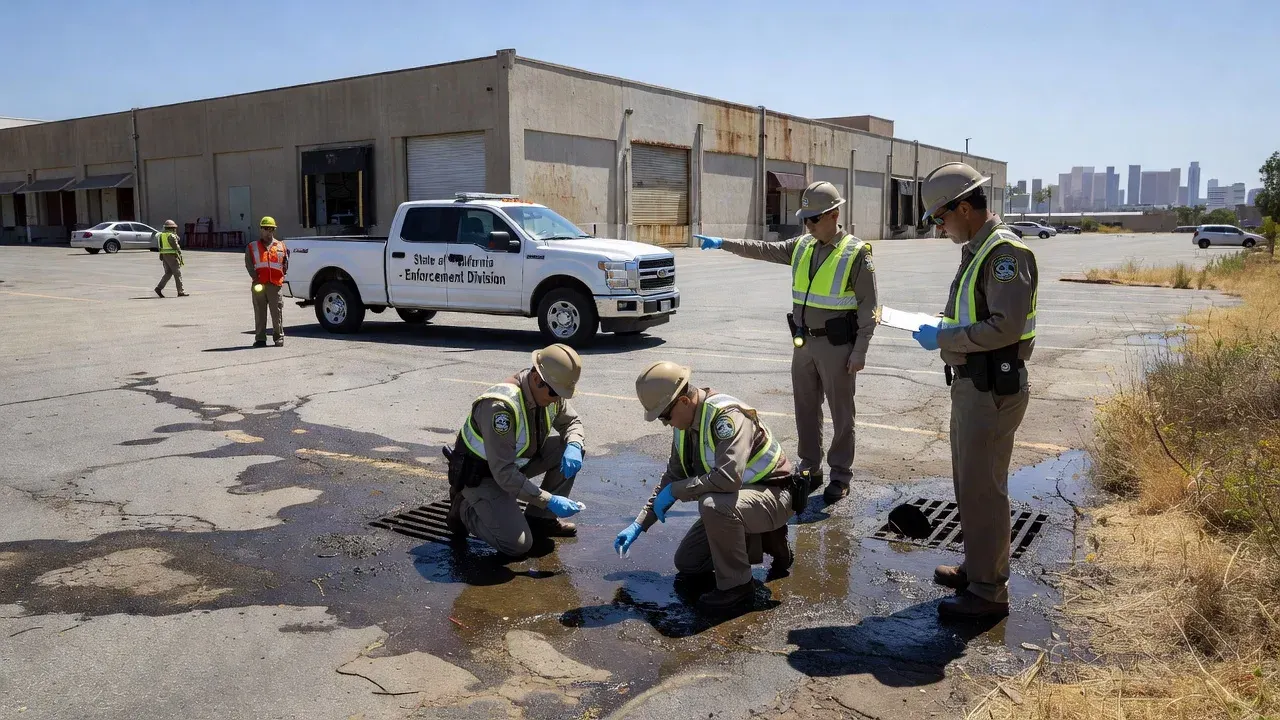
California water regulators just imposed stormwater permits on Los Angeles shopping centers and warehouses for the first time, acknowledging what engineers have documented for years: their vast parking lots are among the worst offenders in fouling streams and rivers with polluted runoff.
The move targets the oily sheen, tire particles, heavy metals and trash that wash off asphalt every time it rains. Until now, these commercial giants largely escaped the scrutiny applied to construction sites and industrial facilities, even as their impervious surfaces accelerated the flow of contaminants straight into waterways.
Big parking lots, the regulators concluded, function as open-air collection systems for motor oil, brake dust and plastic debris. The new permits require monitoring, treatment systems and maintenance plans, measures that will force owners to spend money on infrastructure they previously treated as optional landscaping.

This crackdown arrives after decades of watching urban runoff degrade Southern California streams that were already stressed by drought, development and legacy pollution. State officials decided the evidence could no longer be ignored: without controls on these high-traffic commercial sites, downstream water quality improvements would remain elusive.
Yet the regulation also exposes a quiet policy failure. For years regulators focused enforcement on easier targets while the cumulative impact of thousands of acres of retail and warehouse parking continued unchecked. The belated permits signal that California’s environmental bureaucracy is finally catching up to the scale of the problem it helped create through decades of unchecked sprawl.
What remains unclear is whether the permits will deliver measurable cleanup or simply add another layer of compliance costs passed on to consumers. The real test will be whether regulators enforce them rigorously or allow the same loopholes that let parking lots pollute for so long.
Original reporting: LA Times.
Original reporting: LA Times, California.
More in California
- UC Berkeley Lab Proposes New Civic Framework for California’s Next Governor
A research-driven agenda calls for institutionalizing 'co-governance' to address low public trust and lack of resident influence in state decision-making.
- Five Tax Measures on California’s Ballot Aim to Reshape State Finances
Propositions 3, 40–43 would alter income, wealth and local taxation rules—marking the highest number of tax measures on a general election ballot since 1994.
- Catalina Helicopter Crash Highlights Risks of Island Medevac Flights
A medical evacuation chopper carrying Catalina Romero, pilot, and nurse Jessica Devries crashed into the ocean shortly after takeoff, killing all three; federal investigators are assessing causes including night flying, spatial disorientation, and the island’s challenging Pebbly Beach heliport.