State-by-State Gaps in Obesity Treatment Access Highlighted in New Report
A new state-by-state scorecard reveals wide disparities in access to obesity treatment across the United States, with several states receiving low grades for their limited availability of care and resources.

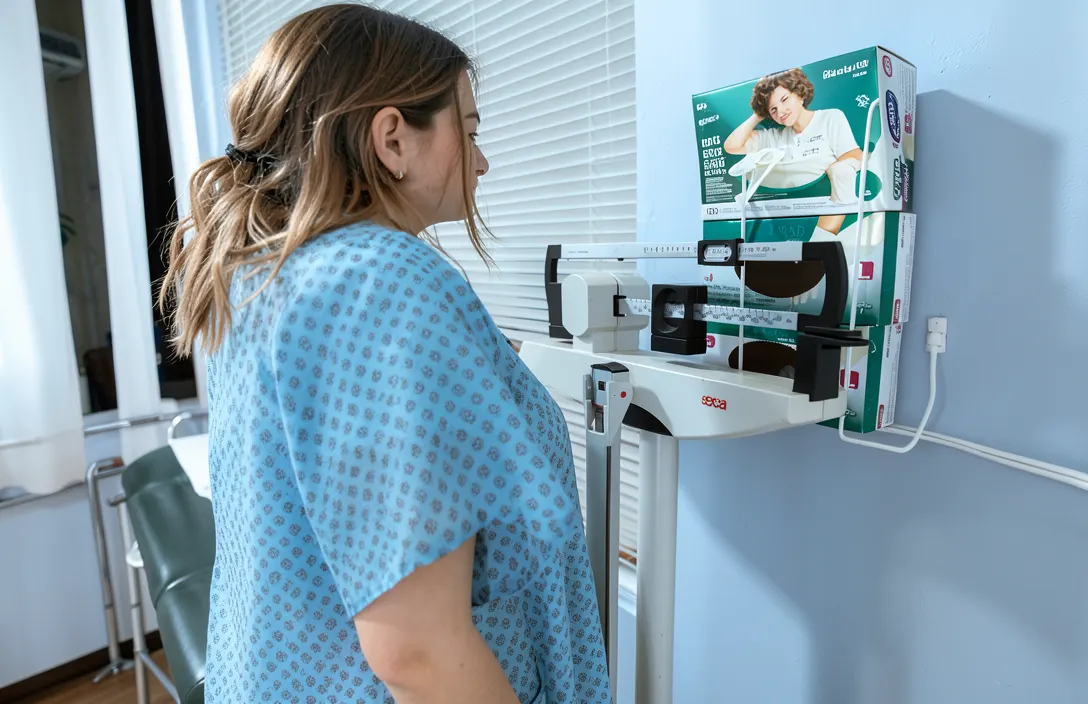

A new state-by-state scorecard reveals wide disparities in access to obesity treatment across the United States, with several states receiving low grades for their limited availability of care and resources. According to the report by the American Society for Metabolic and Bariatric Surgery (ASMBS) and the Obesity Action Coalition (OAC), 20 states received D or F grades, and only one state, Minnesota, earned an A− grade. The scorecard evaluates states based on 44 metrics, including insurance coverage, treatment restrictions, utilization, and availability of specialists and facilities. The findings highlight significant barriers to care, with many states scoring poorly despite having high obesity rates. The report indicates that access to comprehensive obesity care is uneven, with some states offering limited options for treatment even as obesity rates remain high nationwide. [1]
The CDC 2025 Adult Obesity Prevalence Maps show that obesity rates are high in many states, with all states except the District of Columbia having an obesity prevalence of 25% or higher. The Midwest and South regions had the highest prevalence of obesity, with the Midwest at 35.5% and the South at 34.8%. These maps, based on self-reported weight and height from the Behavioral Risk Factor Surveillance System (BRFSS), also indicate that obesity prevalence varies by age, education level, and race and ethnicity. Notably, middle-aged adults (40–59 years) are about 36% more likely to have obesity than younger adults (18–39 years), and obesity prevalence is highest among adults without a high school diploma or equivalent. These disparities underscore the need for targeted interventions and improved access to obesity treatment in high-prevalence regions. [2]
The scorecard identifies six priorities for improving access to obesity treatment, including expanding comprehensive coverage, reducing administrative barriers, strengthening the healthcare workforce, addressing geographic disparities, measuring meaningful access, and eliminating weight bias. Despite the availability of FDA-approved medications and other treatments, access remains limited due to factors such as prior authorization requirements, treatment exclusions, and high out-of-pocket costs. Additionally, seven state Medicaid programs have ended or plan to end coverage of GLP-1 medications used to treat obesity in 2026, potentially disrupting treatment for a chronic disease. These findings emphasize the need for policy changes and increased investment in obesity treatment to address the growing public health challenge. [1]
A new state-by-state scorecard reveals wide disparities in access to obesity treatment across the United States, with several states receiving low grades for their limited availability of care and resources (source ID: 1). The scorecard, developed by the American Society for Metabolic and Bariatric Surgery (ASMBS) and the Obesity Action Coalition (OAC), ranks each of the 50 states and the District of Columbia for their residents' ability to access comprehensive obesity care, including nutrition counseling, behavioral interventions, FDA-approved medications, endoscopic therapies, metabolic and bariatric surgery, and long-term follow-up care (source ID: 1). The report finds that 20 states received D or F grades, while only one state, Minnesota, earned an A− grade (source ID: 1). [1]
Advertisement
The CDC 2025 Adult Obesity Prevalence Maps show that obesity rates are high in many states, with all states except the District of Columbia having an obesity prevalence of 25% or higher (source ID: 2). The maps, based on self-reported weight and height from the Behavioral Risk Factor Surveillance System (BRFSS), indicate that the Midwest and South had the highest prevalence of obesity in 2025, with rates of 35.5% and 34.8%, respectively (source ID: 2). The data also highlight significant disparities by age, education level, and race and ethnicity, with the highest obesity prevalence among adults without a high school diploma or equivalent (38.1%) and among non-Hispanic Black and American Indian or Alaska Native adults (source ID: 2). [2]
The scorecard identifies six priorities for improving access to obesity treatment, including expanding comprehensive coverage, reducing administrative barriers, strengthening the healthcare workforce, addressing geographic disparities, measuring meaningful access, and eliminating weight bias and discrimination in health care policies and delivery (source ID: 1). The report notes that several big states, including Texas, Florida, California, and Pennsylvania, performed poorly or received middling grades, despite having relatively high obesity rates (source ID: 1). The results suggest a troubling overlap between high obesity prevalence and poor access to care, as seen in states like West Virginia and Oklahoma, which both received F grades and have some of the highest adult obesity rates (source ID: 1). [1]
Sources
Prepared with AI assistance from the cited sources.
The Cali Reporter newsletter
The stories worth your time.
California, the country, and what comes next. Join our free newsletter for reporting that keeps you informed.
More in Health & Medicine
- Understanding Fascia and the Evidence Behind Fascia Release
Fascia is a connective tissue that plays a structural role in the human body, but evidence supporting specific exercises or tools for 'fascia release' remains limited.
- Antidepressant Effectiveness and Long-Term Use
A new review suggests that some antidepressants may be more effective than others in helping people manage depression symptoms over the long term, according to a study published in The Lancet Psychiatry.
- Experimental Weight-Loss Drug Shows Promise for Knee Osteoarthritis Pain
A new study suggests that an experimental weight-loss drug, retatrutide, may significantly reduce knee pain in people with osteoarthritis and obesity.