SSRI Discontinuation Linked to Increased Anxiety in Mice
A study on male mice suggests that stopping SSRI antidepressants can temporarily increase anxiety-like behavior and neural activity in specific brain regions.

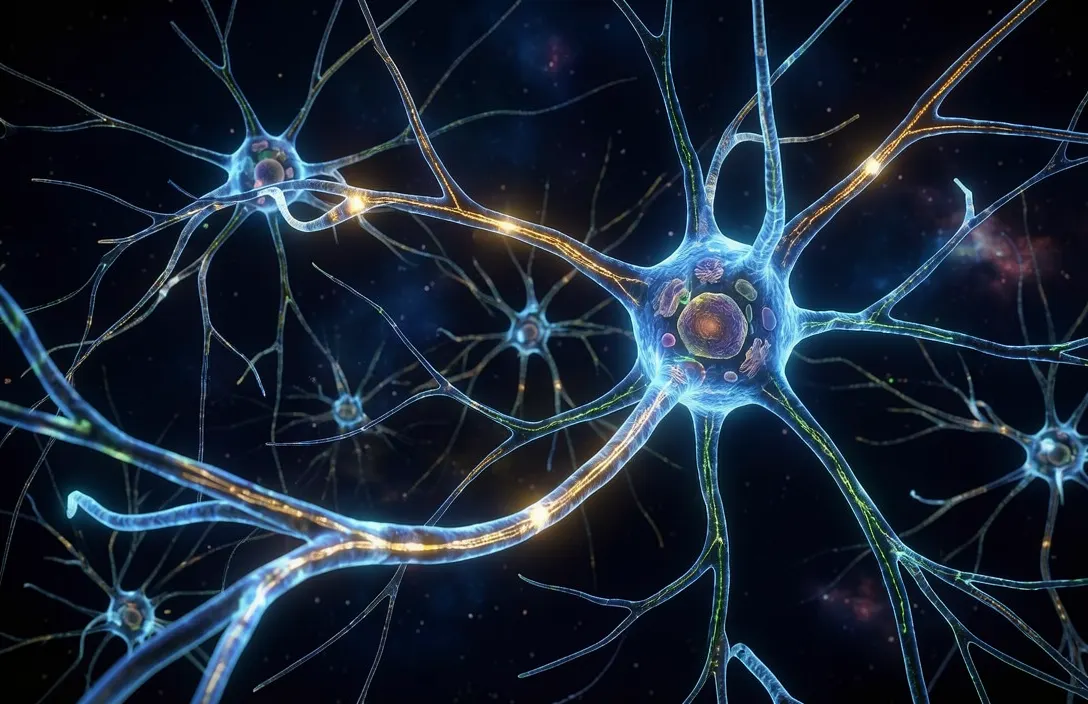
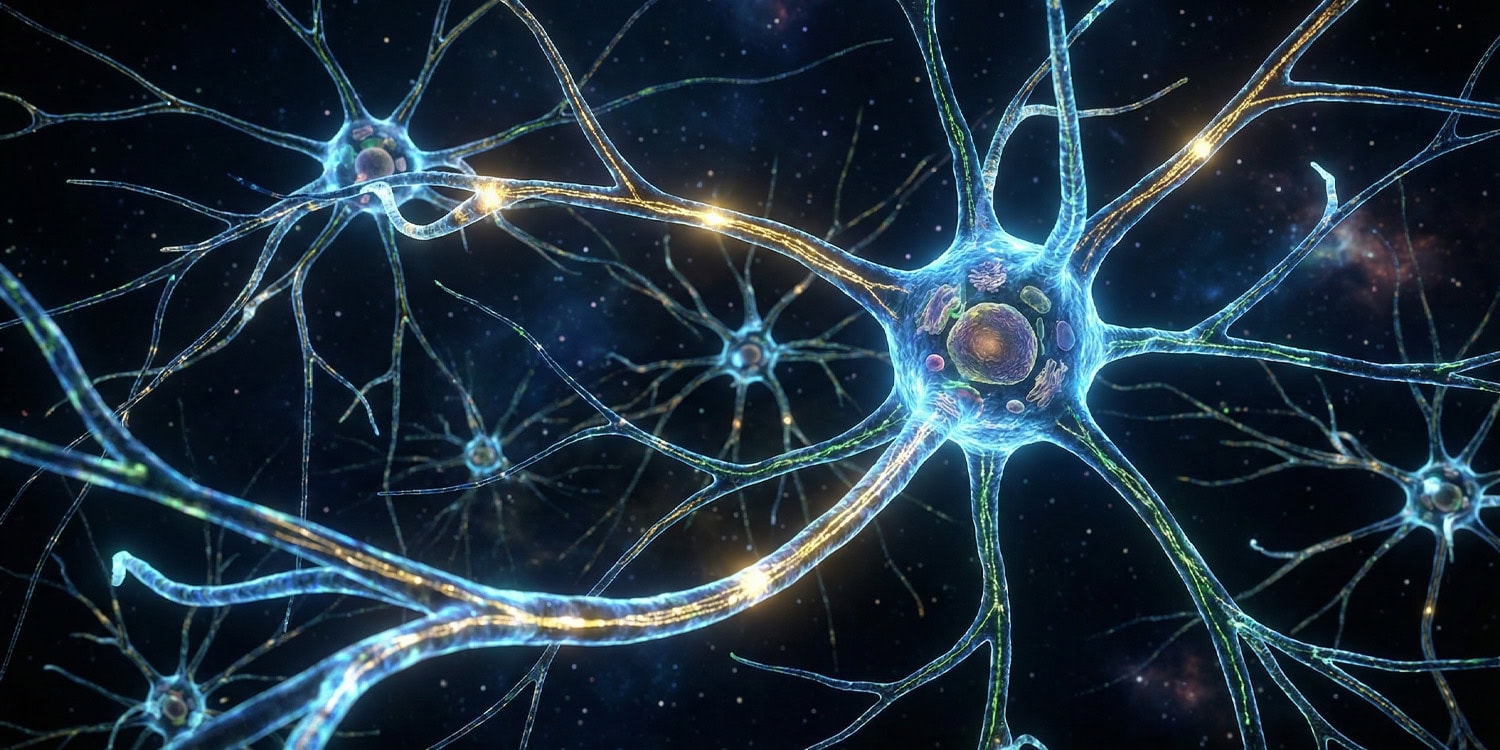
A study of male mice found that stopping treatment with the SSRI antidepressant paroxetine was associated with increased activity in two brain areas involved in anxiety, the dorsal raphe nucleus and the ventral hippocampus. These changes appeared two days after treatment ended, when the mice also showed elevated anxiety-like behavior (source ID 1). [1]
Five days after discontinuation, the anxiety-like behavior had subsided, but activation of serotonin-producing neurons in the dorsal raphe nucleus persisted. The paper was published in Neuropharmacology. Selective serotonin reuptake inhibitors, or SSRIs, are a widely used class of antidepressant medications (source ID 1). [1]
However, abruptly stopping SSRI treatment can cause withdrawal-like symptoms, including increased anxiety, sleep disturbances, and unusual sensory experiences. These symptoms typically appear within a few days of discontinuation and can persist for several weeks or even longer (source ID 1). [1]
Scientists believe that these effects may involve changes in the activity of brain circuits regulating anxiety, particularly those involving serotonin-producing neurons. The study contributes to the scientific understanding of brain changes following SSRI discontinuation (source ID 1). [1]
Advertisement
A study of male mice found that stopping treatment with the SSRI antidepressant paroxetine was associated with increased activity in two brain areas involved in anxiety, the dorsal raphe nucleus and the ventral hippocampus (1). These changes appeared two days after treatment ended, when the mice also showed elevated anxiety-like behavior. Five days after discontinuation, the anxiety-like behavior had subsided, but activation of serotonin-producing neurons in the dorsal raphe nucleus persisted. The paper was published in Neuropharmacology. [1]
Selective serotonin reuptake inhibitors, or SSRIs, are a widely used class of antidepressant medications. They are commonly prescribed to treat depression and some anxiety disorders. SSRIs work by blocking the reabsorption of serotonin, a neurotransmitter involved in regulating mood and other psychological processes, thereby increasing its availability in the brain (1). However, abruptly stopping SSRI treatment can cause withdrawal-like symptoms, including increased anxiety, sleep disturbances, and unusual sensory experiences. [1]
Animal studies have shown that stopping SSRI treatment can also produce behavioral changes resembling anxiety, including increased vigilance and avoidance of potentially threatening environments. Previous research by the same team found that anxiety-like behavior in mice appeared two days after paroxetine was discontinued but had disappeared by five days, although disturbances in sleep and reduced weight gain lasted longer (1). Scientists believe that these effects may involve changes in the activity of brain circuits regulating anxiety, particularly those involving serotonin-producing neurons. [1]
A study of male mice found that stopping treatment with the SSRI antidepressant paroxetine was associated with increased activity in two brain areas involved in anxiety, the dorsal raphe nucleus and the ventral hippocampus (1). These changes appeared two days after treatment ended, when the mice also showed elevated anxiety-like behavior. Five days after discontinuation, the anxiety-like behavior had subsided, but activation of serotonin-producing neurons in the dorsal raphe nucleus persisted. [1]
Advertisement
Selective serotonin reuptake inhibitors, or SSRIs, are a widely used class of antidepressant medications. They are commonly prescribed to treat depression and some anxiety disorders. SSRIs work by blocking the reabsorption of serotonin, a neurotransmitter involved in regulating mood and other psychological processes, thereby increasing its availability in the brain. [1]
However, abruptly stopping SSRI treatment can cause withdrawal-like symptoms, including increased anxiety, sleep disturbances, and unusual sensory experiences. These symptoms typically appear within a few days of discontinuation and can persist for several weeks or even longer. Animal studies have shown that stopping SSRI treatment can also produce behavioral changes resembling anxiety, including increased vigilance and avoidance of potentially threatening environments. [1]
A study of male mice found that stopping treatment with the SSRI antidepressant paroxetine was associated with increased activity in two brain areas involved in anxiety, the dorsal raphe nucleus and the ventral hippocampus (1). These changes appeared two days after treatment ended, when the mice also showed elevated anxiety-like behavior. Five days after discontinuation, the anxiety-like behavior had subsided, but activation of serotonin-producing neurons in the dorsal raphe nucleus persisted. The paper was published in Neuropharmacology. [1]
Selective serotonin reuptake inhibitors, or SSRIs, are a widely used class of antidepressant medications. They are commonly prescribed to treat depression and some anxiety disorders. SSRIs work by blocking the reabsorption of serotonin, a neurotransmitter involved in regulating mood and other psychological processes, thereby increasing its availability in the brain. However, abruptly stopping SSRI treatment can cause withdrawal-like symptoms, including increased anxiety, sleep disturbances, and unusual sensory experiences. [1]
Advertisement
Scientists believe that these effects may involve changes in the activity of brain circuits regulating anxiety, particularly those involving serotonin-producing neurons. The study authors investigated how discontinuing paroxetine affects c-Fos immunoreactivity in a range of brain regions linked to anxiety. The protein c-Fos helps regulate gene expression and is produced in increased amounts in neurons after they become active, which makes it useful as a marker of recent neuronal activity. Researchers can detect this protein using antibodies, a technique known as c-Fos immunoreactivity, to identify neurons that have recently been activated. [1]
Sources
Prepared with AI assistance from the cited sources.
The Cali Reporter newsletter
The stories worth your time.
California, the country, and what comes next. Join our free newsletter for reporting that keeps you informed.
More in Relationships
- Screen vs. Print: How Executive Functions Influence Word Learning in Preschoolers
A new study explores how preschoolers learn new words from print and digital books, revealing that individual differences in executive functions significantly influence comprehension outcomes.
- Smartphone Use and ADHD-Like Symptoms in Adolescents
A study published in the Journal of Affective Disorders found that problematic smartphone use among adolescents is associated with increased ADHD-like symptoms, particularly in late adolescence.
- Lack of Assertiveness and Hostility Linked to Depression Over 23 Years
A long-term study of Swedish twins found that lack of assertiveness and hostility are both associated with increased depressive symptoms over time, though some links may be influenced by shared genetic factors.