Sperm Count Trends and Fertility Concerns
Recent studies on sperm count trends reveal a complex picture, with some showing stability or improvement, while others indicate declines. These findings challenge earlier concerns about a global fertility crisis.

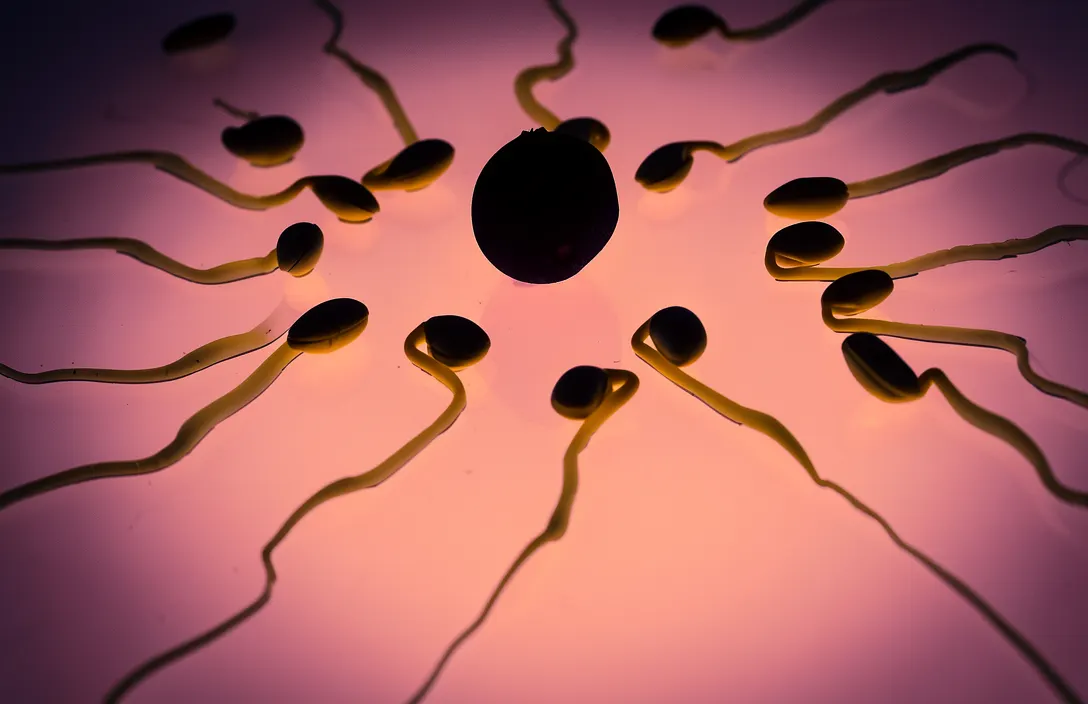

A study published in September 2026 examined semen samples from 8,320 young Danish men collected over 26 years. Rather than finding a steady decline, the researchers reported that sperm counts had remained relatively stable between 1996 and 2022, with some modest improvements in recent years (source ID: 1). These findings contrast with an influential 2017 study reporting that sperm concentration among men in Western countries had fallen by more than half between 1973 and 2011 (source ID: 1). [1]
A review published online in 2024 analyzed research involving almost 12,000 U.S. men. Its main analyses found no statistically significant decline in sperm concentration between 1970 and 2018 (source ID: 1). Another 2024 study examined semen samples from prospective sperm donors in Denmark. Sperm concentration and total sperm count remained relatively stable between 2017 and 2022 (source ID: 1). [1]
Researchers in Ireland analyzed more than 18,000 semen samples from over 15,000 men attending a fertility clinic between 2008 and 2023. They found that median sperm concentration increased by almost 23%, from 57 million to 70 million sperm per milliliter (source ID: 1). However, the proportion of samples containing very low concentrations of sperm, or no sperm at all, remained relatively unchanged (source ID: 1). [1]
A study published in September 2026 examined semen samples from 8,320 young Danish men collected over 26 years. Rather than finding a steady decline, the researchers reported that sperm counts had remained relatively stable between 1996 and 2022, with some modest improvements in recent years. These findings contrast with an influential 2017 study reporting that sperm concentration among men in Western countries had fallen by more than half between 1973 and 2011. When the researchers expanded their analysis in 2022, they concluded that sperm counts were declining worldwide, with the rate of decline accelerating (source ID: 1). [1]
Advertisement
A review published online in 2024 analyzed research involving almost 12,000 U.S. men. Its main analyses found no statistically significant decline in sperm concentration between 1970 and 2018. However, a modest decline emerged when researchers adjusted for both geographical region and fertility status. Another 2024 study examined semen samples from prospective sperm donors in Denmark. Sperm concentration and total sperm count remained relatively stable between 2017 and 2022, although sperm motility, or how well sperm move, declined (source ID: 1). [1]
Researchers in Ireland analyzed more than 18,000 semen samples from over 15,000 men attending a fertility clinic between 2008 and 2023. They found that median sperm concentration increased by almost 23%, from 57 million to 70 million sperm per milliliter. However, the proportion of samples containing very low concentrations of sperm, or no sperm at all, remained relatively unchanged. Taken together, these studies suggest that trends in semen quality can vary considerably between populations and regions (source ID: 1). [1]
A study published in September 2026 examined semen samples from 8,320 young Danish men collected over 26 years and found that sperm counts had remained relatively stable between 1996 and 2022, with some modest improvements in recent years (source ID: 1). This contradicts an influential 2017 study that reported a significant decline in sperm concentration in Western countries. More than a third of the Danish men in the 2026 study had at least one measure of semen quality below World Health Organization reference levels, indicating that while overall trends may be stable, individual cases of poor semen quality still exist. [1]
A review published online in 2024 analyzed research involving almost 12,000 U.S. men and found no statistically significant decline in sperm concentration between 1970 and 2018 (source ID: 1). However, a modest decline was observed when researchers adjusted for both geographical region and fertility status. Another 2024 study examining semen samples from prospective sperm donors in Denmark showed that sperm concentration and total sperm count remained relatively stable between 2017 and 2022, although sperm motility declined significantly during the same period. [1]
Advertisement
Researchers in Ireland analyzed more than 18,000 semen samples from over 15,000 men attending a fertility clinic between 2008 and 2023 and found that median sperm concentration increased by almost 23% from 57 million to 70 million sperm per milliliter (source ID: 1). However, the proportion of samples containing very low concentrations of sperm or no sperm at all remained relatively unchanged. These findings highlight the variability in semen quality trends across different populations and regions, making it difficult to draw a single global conclusion. [1]
Sources
Prepared with AI assistance from the cited sources.
The Cali Reporter newsletter
The stories worth your time.
California, the country, and what comes next. Join our free newsletter for reporting that keeps you informed.
More in Health & Medicine
- Understanding Fascia and the Evidence Behind Fascia Release
Fascia is a connective tissue that plays a structural role in the human body, but evidence supporting specific exercises or tools for 'fascia release' remains limited.
- Antidepressant Effectiveness and Long-Term Use
A new review suggests that some antidepressants may be more effective than others in helping people manage depression symptoms over the long term, according to a study published in The Lancet Psychiatry.
- Experimental Weight-Loss Drug Shows Promise for Knee Osteoarthritis Pain
A new study suggests that an experimental weight-loss drug, retatrutide, may significantly reduce knee pain in people with osteoarthritis and obesity.