Sodium-Ion Batteries: A Promising but Limited Alternative to Lithium-Ion
Sodium-ion batteries offer a lower energy density compared to lithium-ion batteries, but they may have advantages in cold weather performance and safety.

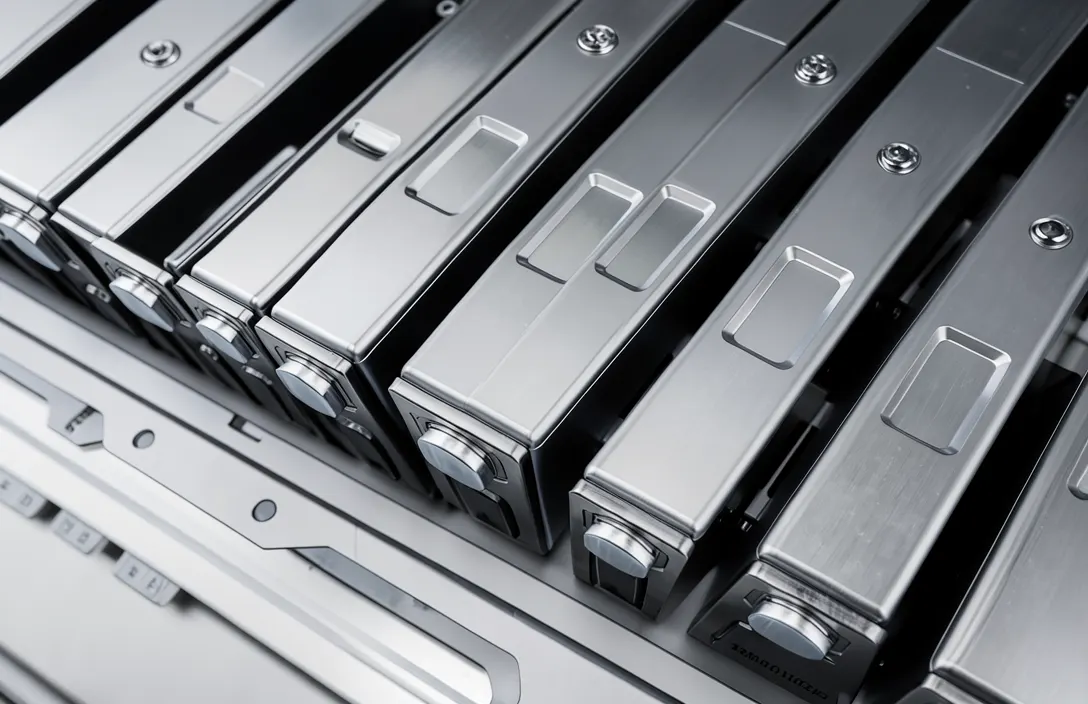
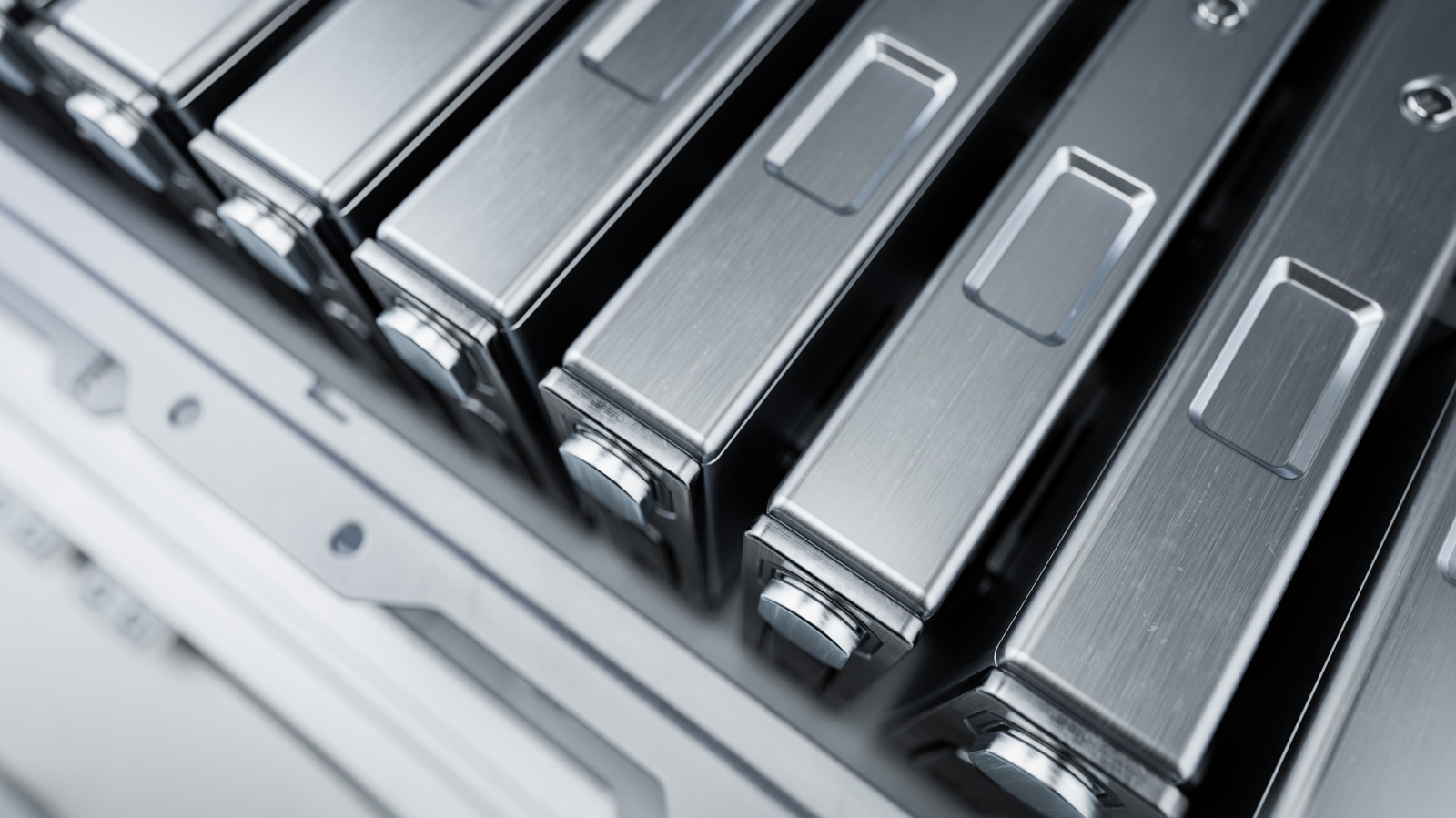
Sodium-ion batteries operate similarly to lithium-ion batteries by moving charged particles between negative and positive electrodes, but they differ in the composition of the ions used. Sodium ions are larger and heavier than lithium ions, resulting in a lower energy density for sodium-ion cells, which reach approximately 175 watt-hours per kilogram, about 20 to 30 percent lower than lithium-ion cells (Engadget, 2023). This difference in energy density means that sodium-ion batteries may be less efficient in terms of weight and size compared to lithium-ion batteries. [1]
Despite their lower energy density, sodium-ion batteries have some advantages over lithium-ion batteries in specific conditions. According to the International Energy Agency, sodium-ion batteries retain 90% of their capacity at minus 40 degrees Fahrenheit, whereas lithium-ion batteries experience a significant drop in capacity at similar temperatures (Engadget, 2023). Additionally, sodium-ion batteries have a lower risk of thermal runaway, as they generate less heat and require fewer protection systems than lithium-ion batteries. [1]
While sodium-ion batteries have potential in certain applications, such as extreme cold weather use or stationary storage, they face challenges in mass production and supply chains. Sodium is more abundant than lithium, but the availability of other components, such as nickel and manganese, remains a challenge (Engadget, 2023). Additionally, lithium has a well-established manufacturing infrastructure and supply chain, which makes it difficult for sodium-ion batteries to fully replace lithium-ion batteries in the near future. [1]
Sodium-ion batteries function similarly to lithium-ion batteries by moving charged particles between negative and positive electrodes, but they differ in the composition of the ions used. According to Engadget, sodium-ion batteries have a lower energy density compared to lithium-ion batteries, with sodium-ion cells reaching roughly 175 watt-hours per kilogram, which is 20 to 30 percent lower than lithium-ion cells (Engadget, 2023). This lower energy density is attributed to the larger and heavier nature of sodium ions, which affects storage and space efficiency. [1]
Advertisement
Despite these limitations, sodium-ion batteries have some advantages, particularly in cold weather performance. Engadget reports that sodium-ion batteries retain 90% of their capacity at minus 40 degrees Fahrenheit, while lithium-ion batteries experience a significant drop in capacity under similar conditions (Engadget, 2023). Additionally, sodium-ion batteries have a lower risk of thermal runaway, generating less heat and requiring fewer protection systems compared to lithium-ion batteries. [1]
However, sodium-ion batteries face challenges in mass production and supply chains. Engadget notes that while sodium is abundant, the sourcing of other components such as nickel and manganese remains a challenge. Furthermore, lithium has a significant head start in production and use, with well-established supply chains and competitive LFP (lithium iron phosphate) prices (Engadget, 2023). These factors currently limit the widespread adoption of sodium-ion batteries despite their potential in specific applications. [1]
Sodium-ion batteries operate similarly to lithium-ion batteries by moving charged particles between negative and positive electrodes, but they differ in the composition of the ions used. According to Engadget, sodium-ion batteries have a lower energy density compared to lithium-ion batteries, with sodium-ion cells reaching roughly 175 watt-hours per kilogram, which is 20 to 30 percent lower than lithium-ion cells. This difference is due to the larger and heavier size of sodium ions compared to lithium ions, which affects storage and space efficiency (1). [1]
Despite their lower energy density, sodium-ion batteries have some advantages, particularly in cold weather performance. According to the International Energy Agency (IEA), sodium-ion batteries retain 90% capacity at minus 40 degrees Fahrenheit, while lithium-ion batteries experience a significant drop in capacity at similar temperatures. Additionally, sodium-ion batteries have a lower risk of thermal runaway due to generating less heat and requiring fewer protection systems (1). [1]
Advertisement
However, sodium-ion batteries face challenges in mass production and supply chains. While sodium is abundant, the availability of other components such as nickel and manganese remains a challenge. Engadget notes that mass manufacturing of sodium-ion batteries does not happen overnight, and supply chains take time to develop. Despite these challenges, some manufacturers like CATL and General Motors/Peak Energy are moving forward with larger-scale commercial production, indicating potential for future growth (1). [1]
Sources
Prepared with AI assistance from the cited sources.
The Cali Reporter newsletter
The stories worth your time.
California, the country, and what comes next. Join our free newsletter for reporting that keeps you informed.
More in Technology
- Modern Web Guidance 1.0 and Browser Compatibility
Modern Web Guidance 1.0, announced by Chrome for Developers on November 10, introduces browser compatibility data to assist coding agents in building web features. The initiative emphasizes the importance of fallback…
- Apache mod_http2 Vulnerability Detection with Nmap
A new Nmap scripting module has been developed to detect the Apache mod_http2 vulnerability (CVE-2026-119618), addressing the challenges of identifying affected systems accurately.
- Securing Remote Vendor Access in Industrial Networks
Best practices for managing remote vendor access in operational technology (OT) networks emphasize controlled access points, multifactor authentication, and time-bound sessions to reduce cybersecurity risks.