Shift in Autism Research Focus Toward Quality of Life
A recent review of autism research highlights a growing emphasis on supporting a good life for autistic individuals, moving beyond traditional medical interventions.

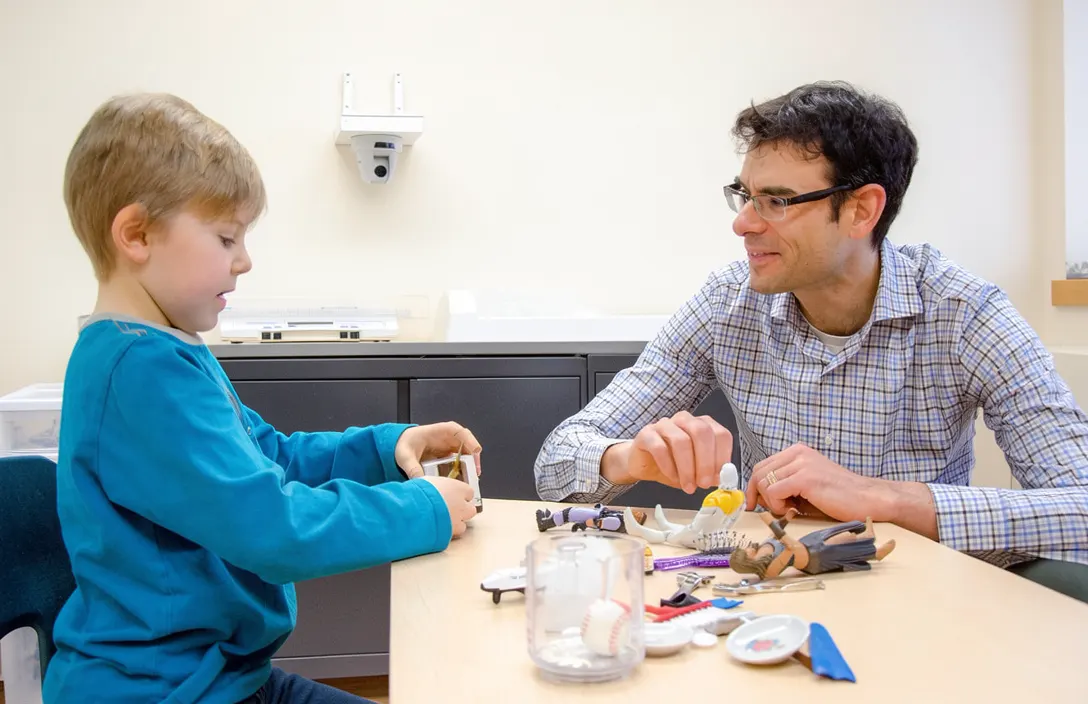

Dr. Lonnie Zwaigenbaum, a leading expert on autism, emphasizes that the state of the science has evolved from a narrow medical view to a more comprehensive goal of supporting a good life for each person. This shift is driven by the experiences of autistic people themselves, including those who are nonspeaking but have other ways to communicate. According to the review published in the British Medical Journal, the definition of success in autism research now includes not only independence but also interdependence through relationships within families and social networks (source ID: 1). [1]
The review, which analyzed publications from 2019 to 2025, concluded that more intense treatments do not necessarily yield better results. Instead, the authors recommend that clinicians work with families to tailor interventions that provide benefit without compromising activities and routines at home, school, and in the community. This approach is described as a "marriage of structure and flexibility," where parents are coached to draw on their own strengths and apply them within their own contexts and experiences (source ID: 1). [1]
The authors also underscore the importance of using the "F-words for child development," a rubric designed by Canadian researchers at McMaster University that looks at six factors: Functioning, Family, Fitness, Fun, Friends, and Future. This framework aims to measure a child's progress in a more holistic manner. Additionally, the review highlights the need to consider social determinants such as ethnicity, gender, geography, and economic circumstances, which can affect autistic children's quality of life and access to care (source ID: 1). [1]
Zwaigenbaum notes that the fact that Canadians were asked to write the paper is an acknowledgment of the progress made in embracing research led by and for autistic people. He is currently leading several initiatives, including the Pathways in Autism Spectrum Disorder study, which tracks children from diagnosis through into the teen years using a comprehensive, strengths-based measurement model (source ID: 1). [1]
Advertisement
Dr. Lonnie Zwaigenbaum, a leading expert on autism, says the state of the science has broadened from a narrow medical view to a more comprehensive goal of supporting a good life for each person. The review, which analyzed publications from 2019 to 2025, concluded that more intense treatments do not necessarily yield better results. This shift in research goals has been driven by autistic people themselves, as noted in the source (1). [1]
The authors of the review underscore the importance of using the "F-words for child development," a rubric designed by Canadian researchers at McMaster University that looks at six factors: Functioning, Family, Fitness, Fun, Friends, and Future. This approach is intended to provide a more holistic measure of a child's progress and well-being (1). [1]
Zwaigenbaum notes that the fact that Canadians were asked to write the paper is an acknowledgment of the progress made in embracing research led by and for autistic people. The review emphasizes the need to listen to the experiences of autistic people, including those who are nonspeaking but have other ways to communicate, and to their family members (1). [1]
Dr. Lonnie Zwaigenbaum, a leading expert on autism, emphasizes that the state of the science has evolved from a narrow medical perspective to a broader goal of supporting a good life for each person. This shift is driven by the experiences of autistic people themselves, who have influenced the direction of research. The review, which analyzed publications from 2019 to 2025, highlights the importance of interdependence and meaningful relationships in defining a good life for autistic individuals (source ID 1). [1]
Advertisement
The review concludes that more intense treatments do not necessarily yield better outcomes for autistic children. Instead, the authors advocate for a tailored approach that integrates medical, behavioral, educational, and psychological interventions, ensuring they align with the child's home, school, and community routines. This approach is described as a 'marriage of structure and flexibility,' where parents are coached to use their strengths to embed learning within everyday joyful experiences (source ID 1). [1]
The authors of the review stress the importance of using the 'F-words for child development,' a rubric developed by Canadian researchers at McMaster University. This framework includes six factors: Functioning, Family, Fitness, Fun, Friends, and Future. It is designed to provide a more comprehensive measure of a child's progress, moving beyond traditional clinical metrics to include aspects of flourishing and well-being (source ID 1). [1]
Sources
Prepared with AI assistance from the cited sources.
The Cali Reporter newsletter
The stories worth your time.
California, the country, and what comes next. Join our free newsletter for reporting that keeps you informed.
More in Health & Medicine
- Understanding Fascia and the Evidence Behind Fascia Release
Fascia is a connective tissue that plays a structural role in the human body, but evidence supporting specific exercises or tools for 'fascia release' remains limited.
- Antidepressant Effectiveness and Long-Term Use
A new review suggests that some antidepressants may be more effective than others in helping people manage depression symptoms over the long term, according to a study published in The Lancet Psychiatry.
- Experimental Weight-Loss Drug Shows Promise for Knee Osteoarthritis Pain
A new study suggests that an experimental weight-loss drug, retatrutide, may significantly reduce knee pain in people with osteoarthritis and obesity.