Sevenfold Increase in Adult Idiopathic Intracranial Hypertension Cases
A recent study has revealed a significant rise in the incidence of idiopathic intracranial hypertension (IIH) among adults, with rates increasing sevenfold between 2010 and 2023.

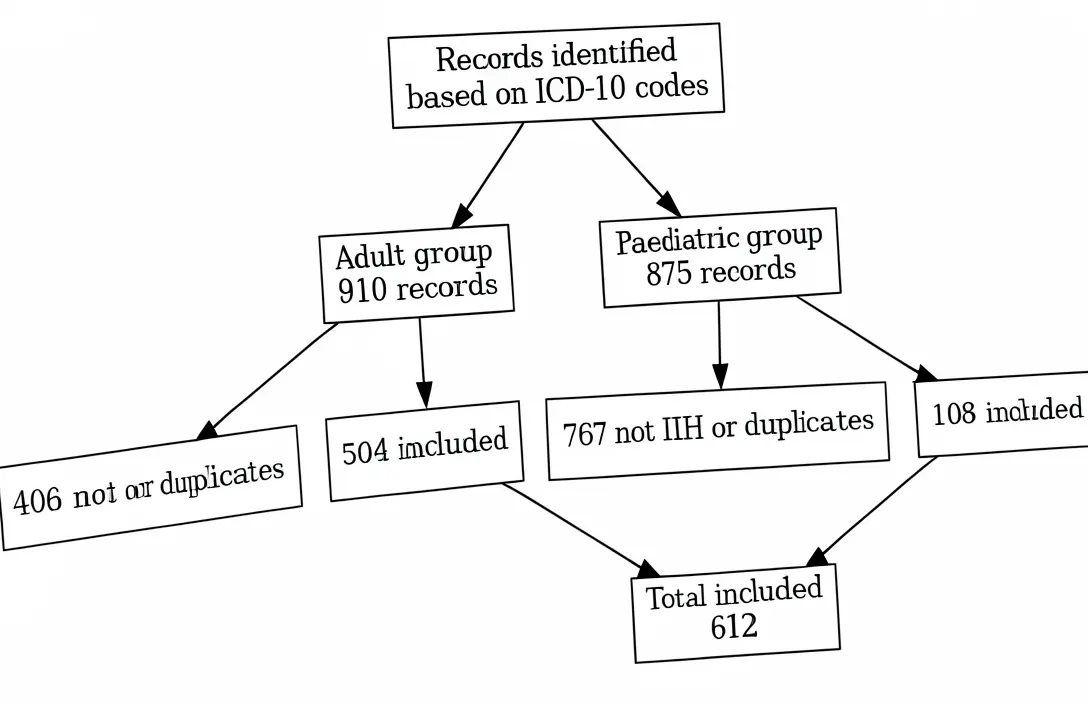

A study published in the Journal of Neurology found that the incidence of idiopathic intracranial hypertension (IIH) increased sevenfold in adults between 2010 and 2023, while rates in children tripled during the same period. The research, conducted by Monash University, included 504 adult and 108 pediatric cases identified using ICD-10 codes. The steepest rise was observed in women aged 18–39, with rates increasing 32-fold and peaking in 2022, when women accounted for nine in 10 patients. This data is sourced from a study published in the Journal of Neurology (2026). DOI: 10.1007/s00415-026-13901-2. [1]
Senior author Anneke van der Walt noted that the increase in IIH rates outpaces the rise in obesity, a well-established risk factor for the condition. While obesity rates in Australia have climbed gradually, the rise in IIH has been much steeper. Better recognition and improved access to neuro-ophthalmology and imaging account for some of the increase, but not all of it. The study also found that children with IIH were more likely to present with double vision, had higher brain pressures on lumbar puncture, and were far less likely to be obese than adults. This is according to the study published in the Journal of Neurology (2026). DOI: 10.1007/s00415-026-13901-2. [1]
Van der Walt suggested that hormonal changes around puberty and signals released by fat tissue leading to inflammation and changes in brain fluid production or absorption could be additional factors. Most patients are treated with medication to lower intracranial pressure, alongside weight management. Acetazolamide is the first drug for around seven in 10 adult patients, while surgery was needed in 6% of adults and 12% of children. The study is sourced from the Journal of Neurology (2026). DOI: 10.1007/s00415-026-13901-2. [1]
A study published in the Journal of Neurology found that the incidence of idiopathic intracranial hypertension (IIH) increased sevenfold in adults between 2010 and 2023, while rates in children tripled during the same period. The study included 504 adult and 108 pediatric cases, yielding a total cohort of 612 patients. The steepest rise was in women ages 18–39, with rates rising 32-fold and peaking in 2022, when women accounted for nine in 10 patients (Source ID: 1). [1]
Advertisement
Senior author Anneke van der Walt noted that the increase in IIH rates outpaces the rise in obesity, a well-established risk factor for the condition. Van der Walt suggested that hormonal changes around puberty and signals released by fat tissue leading to inflammation and changes in brain fluid production or absorption could be additional factors (Source ID: 1). [1]
First author Dr. Mina Botrous, from the Monash University School of Translational Medicine, said the pediatric findings point to a distinct condition in children. She said children were more likely to present with double vision, had higher brain pressures on lumbar puncture and were far less likely to be obese than adults with the condition (Source ID: 1). [1]
A study published in the Journal of Neurology found that the incidence of idiopathic intracranial hypertension (IIH) increased sevenfold in adults between 2010 and 2023, while rates in children tripled during the same period (Source ID: 1). The steepest rise was in women aged 18–39, with rates increasing 32-fold and peaking in 2022, when women accounted for nine in 10 patients. Senior author Anneke van der Walt, an academic neurologist at Monash University, noted that the scale of the increase outpaces the rise in obesity, which is associated with the condition (Source ID: 1). [1]
A study published in the Journal of Neurology found that the incidence of idiopathic intracranial hypertension (IIH) increased sevenfold in adults between 2010 and 2023, while rates in children tripled during the same period (Source ID: 1). The steepest rise was observed in women aged 18–39, with rates increasing 32-fold and peaking in 2022, when women accounted for nine in 10 patients. This surge in IIH cases among young women has raised questions about the underlying factors contributing to the condition, particularly given that the increase outpaces the rise in obesity rates (Source ID: 1). [1]
Advertisement
Senior author Anneke van der Walt, an academic neurologist at Monash University's School of Translational Medicine, noted that while obesity is a well-established risk factor for IIH, the increase in IIH rates cannot be fully explained by the gradual rise in obesity rates (Source ID: 1). She suggested that better recognition of the condition and improved access to neuro-ophthalmology and imaging may account for some of the rise, but not all of it (Source ID: 1). [1]
First author Dr. Mina Botrous highlighted that children with IIH are more likely to present with double vision, have higher brain pressures on lumbar puncture, and are far less likely to be obese than adults with the condition (Source ID: 1). This weaker link with weight in children suggests that factors beyond body mass, such as hormonal changes around puberty and signals released by fat tissue, may play a role in the development of IIH (Source ID: 1). [1]
Sources
Prepared with AI assistance from the cited sources.
The Cali Reporter newsletter
The stories worth your time.
California, the country, and what comes next. Join our free newsletter for reporting that keeps you informed.
More in Health & Medicine
- Understanding Fascia and the Evidence Behind Fascia Release
Fascia is a connective tissue that plays a structural role in the human body, but evidence supporting specific exercises or tools for 'fascia release' remains limited.
- Antidepressant Effectiveness and Long-Term Use
A new review suggests that some antidepressants may be more effective than others in helping people manage depression symptoms over the long term, according to a study published in The Lancet Psychiatry.
- Experimental Weight-Loss Drug Shows Promise for Knee Osteoarthritis Pain
A new study suggests that an experimental weight-loss drug, retatrutide, may significantly reduce knee pain in people with osteoarthritis and obesity.