Seasonal Mass Vaccination with R21 Malaria Vaccine Effective in Reducing Infection
A study published in The Lancet shows that seasonal mass vaccination with the R21 malaria vaccine significantly reduces infection rates in The Gambia and Burkina Faso.

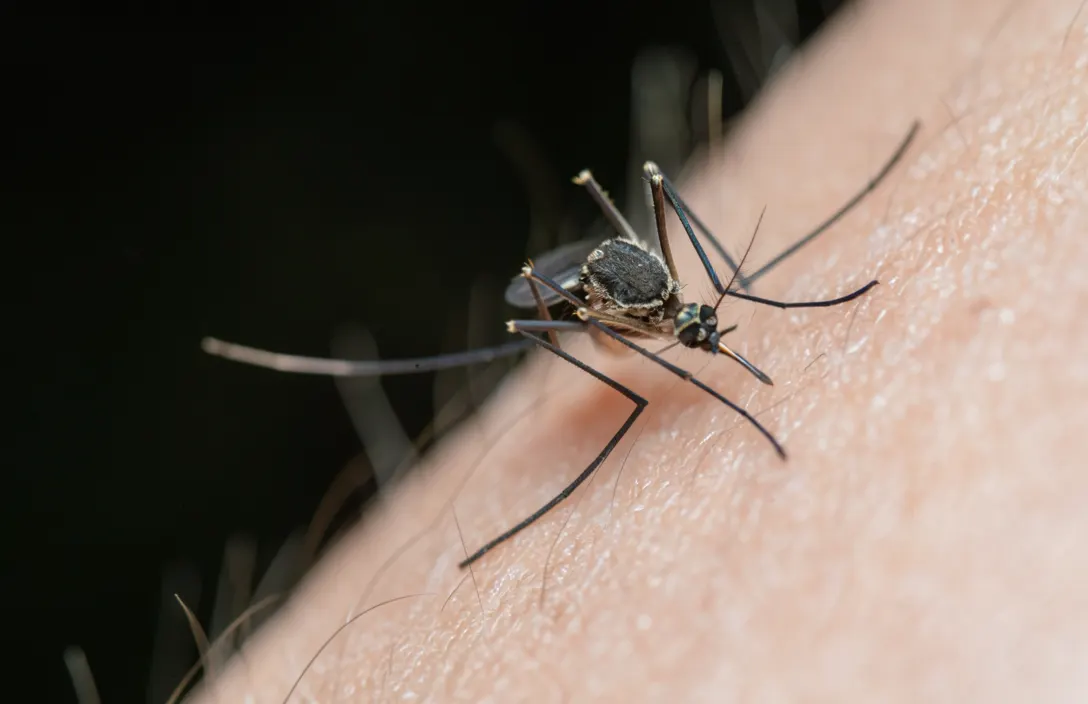

A study published in The Lancet demonstrated that seasonal mass vaccination with the R21/Matrix-M (R21) malaria vaccine can reduce the odds of infection by up to 70% in The Gambia and by 25% in Burkina Faso (source ID: 1). The research was conducted in both countries, where malaria transmission varies from low-to-moderate in The Gambia to intense in Burkina Faso. The study involved vaccinating entire communities ahead of the rainy season, a time when malaria transmission peaks. The findings suggest that this approach could be a vital additional tool in reducing the burden of malaria and progressing toward elimination efforts. [1]
The study found that the odds of malaria infection were reduced by 70% in The Gambia and by 25% in Burkina Faso (source ID: 1). In The Gambia, the reduction in prevalence was seen across all age groups, while in Burkina Faso, the highest reduction rates were observed among children under 5, who are most at risk of severe malaria. This is the first study that vaccinated whole communities against malaria with the R21 vaccine, which is typically used in small children. The results challenge previous assumptions that the vaccine would not be effective in older age groups. [1]
The study demonstrated that the R21 vaccine was safe and well tolerated in both countries, with mild, self-limiting adverse events reported, mostly mild headache and fever (source ID: 1). Standard malaria control interventions, including seasonal malaria chemoprevention, continued in both countries during the study. The findings suggest that seasonal mass vaccination with R21, when combined with existing malaria control tools, can significantly reduce the burden of malaria in communities with varying levels of transmission intensity. [1]
A study published in The Lancet demonstrated that seasonal mass vaccination with the R21/Matrix-M (R21) malaria vaccine can reduce the odds of malaria infection by up to 70% in The Gambia and by 25% in Burkina Faso (source ID: 1). The research was conducted across 54 villages, with half of the villages receiving three monthly doses of the R21 vaccine between May and August, before the peak transmission season, while the other half served as the control group. Standard malaria control interventions, including seasonal malaria chemoprevention, continued in both countries (source ID: 1). [1]
Advertisement
The study found that the odds of malaria infection were reduced by 70% in The Gambia and by 25% in Burkina Faso (source ID: 1). In The Gambia, the reduction in prevalence was seen across all age groups, while in Burkina Faso, the highest reduction rates were observed among children under 5, who are most at risk of malaria and its effects. However, some protective effect could also be seen in older age groups (source ID: 1). [1]
The study demonstrated that the R21 vaccine was safe and well tolerated in both countries, with mild, self-limiting adverse events reported, mostly mild headache and fever (source ID: 1). The findings suggest that seasonal mass vaccination can be a vital additional tool to reduce the burden of malaria and help in progressing toward elimination efforts (source ID: 1). [1]
A study published in The Lancet demonstrated that seasonal mass vaccination with the R21/Matrix-M (R21) malaria vaccine can reduce the odds of malaria infection by up to 70% in The Gambia and by 25% in Burkina Faso (source ID: 1). The study was conducted in The Gambia, where malaria is seasonal with low-to-moderate transmission, and in Burkina Faso, where transmission is intense. It found that seasonal mass vaccination with the R21/Matrix-M (R21) vaccine, given to entire communities ahead of the rainy season, significantly reduced the proportion of individuals infected with malaria at peak transmission in November in both countries (source ID: 1). [1]
The study also found that the number of patients with clinical malaria was reduced by 47% in The Gambia and 30% in Burkina Faso (source ID: 1). This is the first study that vaccinated whole communities against malaria with a vaccine, R21, that is used in small children. Seasonal mass vaccination can become a vital additional tool to reduce the burden of malaria and help in progressing toward elimination efforts (source ID: 1). [1]
Advertisement
The study demonstrated that the R21 vaccine was safe and well tolerated in both countries, with mild, self-limiting adverse events reported, mostly mild headache and fever (source ID: 1). Protection varies with transmission intensity, with findings showing that the odds of malaria infection were reduced by 70% in The Gambia and by 25% in Burkina Faso (source ID: 1). [1]
Sources
Prepared with AI assistance from the cited sources.
The Cali Reporter newsletter
The stories worth your time.
California, the country, and what comes next. Join our free newsletter for reporting that keeps you informed.
More in Health & Medicine
- Understanding Fascia and the Evidence Behind Fascia Release
Fascia is a connective tissue that plays a structural role in the human body, but evidence supporting specific exercises or tools for 'fascia release' remains limited.
- Antidepressant Effectiveness and Long-Term Use
A new review suggests that some antidepressants may be more effective than others in helping people manage depression symptoms over the long term, according to a study published in The Lancet Psychiatry.
- Experimental Weight-Loss Drug Shows Promise for Knee Osteoarthritis Pain
A new study suggests that an experimental weight-loss drug, retatrutide, may significantly reduce knee pain in people with osteoarthritis and obesity.