Santa Clara County Stand Down Puts Veteran Services in One Place as County Seeks New Space to Expand
The fourth annual event at the county fairgrounds on Nov. 5-6, 2026, gathered more than 100 organizations and offered housing, health, legal and benefits help. A county supervisor said officials are looking for a new space for the Office of Veterans Services to expand.
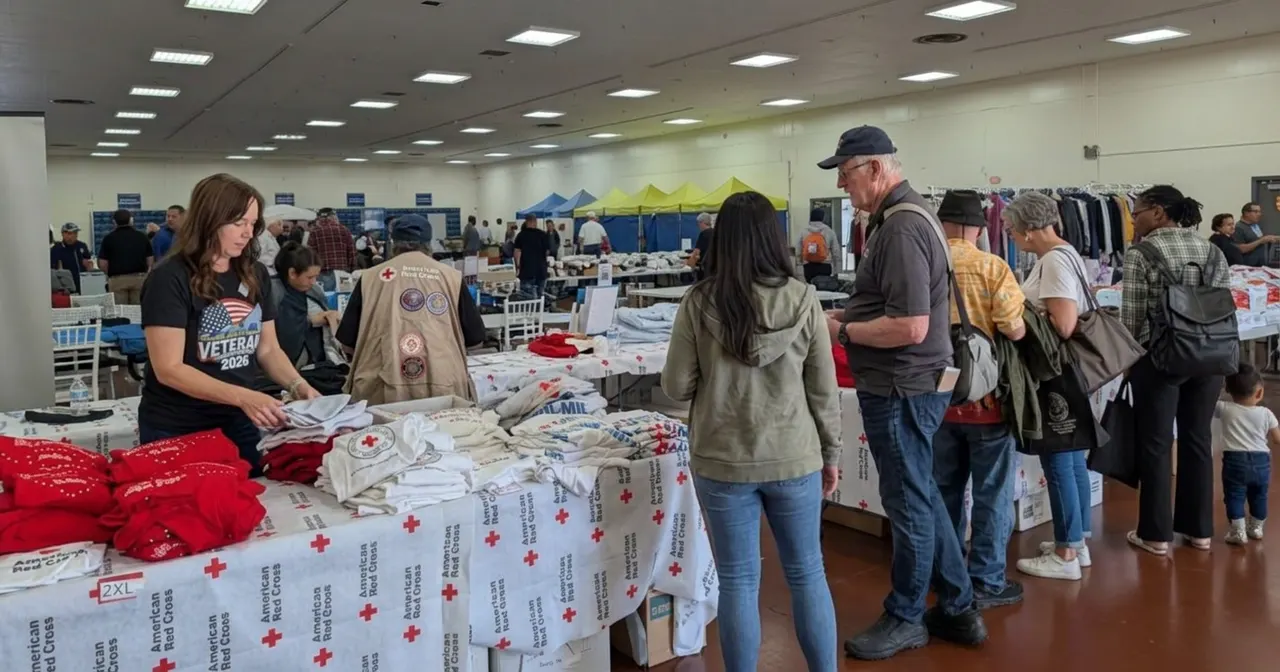
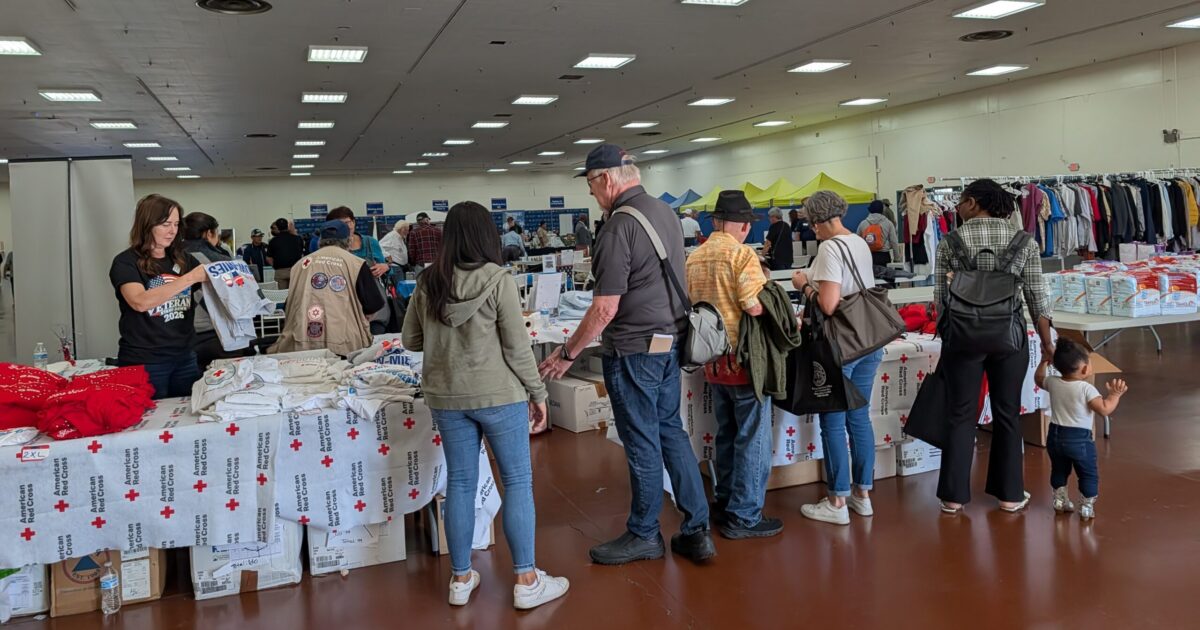
The fourth annual Santa Clara County Stand Down took place Nov. 5-6, 2026, at the Santa Clara County Fairgrounds, according to San José Spotlight. The event served veterans and their families and offered housing information, employment and legal assistance, medical and dental screenings, mental health resources, clothing, food and haircuts. A claims clinic helped veterans expedite access to benefits. [1]
Darlyn Escalante, director of the Santa Clara County Office of Veterans Services, spoke during the opening ceremony and described the two days as about service, connection and community and about honoring those who served. She said more than 100 organizations were present and that the goal was to connect veterans to resources and people so they would know they are not alone. She said the event was intended as a community and a place to find support. [1]
Col. Ray Watts, president of the Military Officers Association of America, pointed to a remembrance table honoring prisoners of war and those missing in action. The article says he attributed symbolic meaning to a red rose, salt and a lit candle: the rose for blood shed, the salt for families' tears and the candle for hope and the way home. [1]
Veterans described practical and social value. Mike Roosevelt appreciated having services in one location and not having to run around; he said he was waiting for a blanket, had received a haircut and had gone through medical checks and updates. Thomas Bui attended for help with benefit claims and said everyone had been helpful. Carine Ndifon, a Navy veteran, valued the camaraderie, said the transition to civilian life is difficult and said she had struggled to find a veteran community. She called it meaningful to hear speeches recognizing veterans' sacrifice and said many homeless veterans she met could benefit. [1]
Advertisement
The article cites U.S. Census data putting nearly 40,000 civilian veterans in Santa Clara County. That figure is the article's benchmark for the local civilian veteran population. The event concentrated many services in one place for two days. The article does not describe how veterans reach those services at other times or whether the event changed access after it ended. [1]
Daniel Little, director of the Santa Clara County Social Services Agency, said many veterans become homeless or struggle with food insecurity while they are entitled to services meant to prevent that. He said tens of thousands of veterans live in the community and that it is troubling to see them vulnerable when supports are owed to them. He pointed to red tape as a barrier. [1]
Ndifon's comments show that community and recognition can matter alongside material aid. She said the shift to civilian life is hard and that she had struggled to locate a veteran peer network. She said it was meaningful to gather in such a setting and hear speeches that recognized that part of veterans' lives and their sacrifice; she said returning and discussing that chapter is often hard and that she was grateful some people are willing to support veterans. [1]
Escalante said the Stand Down helps homeless veterans find housing and learn about benefits they never knew existed. The article does not quantify how many veterans obtained housing or benefits through the event. That distinction matters because the article establishes availability and stated goals, not measured outcomes. [1]
Advertisement
Otto Lee, president of the Santa Clara County Board of Supervisors and a Navy veteran, said the county must ensure veterans receive housing, health care, mental health support, jobs and the benefits they have earned. He called it unacceptable that veterans are 3.5% of the homeless population. The article does not define the count behind that share or say whether it is a local count, an estimate or a share of a broader homeless population. [1]
Roosevelt's comment about one location captures a practical benefit. For veterans who might otherwise visit multiple offices, the event offered a single point of access for medical, dental, legal, employment, housing and benefits help. The article does not measure whether those connections lasted beyond the event. [1]
The term Stand Down comes from a military time of rest and recovery. The article traces the model to the post-Vietnam War era, when events were created to bring resources and care to veterans. Santa Clara County's event was its fourth annual Stand Down. The article does not detail how the county's version has changed since it began. [1]
The remembrance table reflected the event's memorial dimension. Watts described the red rose, salt and candle as symbols of bloodshed, family tears and hope. Escalante separately said the two days were about service, connection and community and honoring those who served. The article does not state that the remembrance table was connected to any particular program or outcome. [1]
Advertisement
The article contains two figures that are not reconciled. It cites U.S. Census data saying there are nearly 40,000 civilian veterans in Santa Clara County. It also quotes Lee saying the county is serving 60,000 veterans. The article does not explain whether the 60,000 figure includes family members, veterans outside the civilian count or another population definition. That gap is a factual question raised by the article, not a resolved number. [1]
More than 100 organizations were involved or present at the Stand Down, according to the article. The event included a claims clinic. The article does not say how many claims were filed or how many veterans received benefits as a result. It also does not say what share of the more than 100 organizations provided direct services. [1]
Lee said the county is looking for a new space for the Office of Veterans Services to expand. He said serving 60,000 veterans is no small thing. That statement indicates the county is discussing expansion, but the article does not provide details about current capacity, wait times or staffing. The expansion idea is presented as a county goal, not a completed plan. [1]
For veterans, the event offered immediate help through screenings, clothing, food, haircuts and claims assistance. The article also records Little's statement that red tape stops veterans from services and supports owed to them. Escalante said the event helps homeless veterans secure housing and discover benefits previously unknown to them. The article does not quantify how many veterans obtained housing or provide individual housing outcome data. It also does not report whether any veteran obtained benefits approval or ongoing care because of the event. [1]
Advertisement
Lee, a Navy veteran, said the county has an obligation to make sure veterans get housing, health care, mental health support, jobs and the benefits they earned. He said it is unacceptable that 3.5% of the homeless population are veterans. The article does not define the count behind that share or say whether it is a local count, an estimate or a share of a broader homeless population. [1]
The clearest unresolved question is population definition. The article cites nearly 40,000 civilian veterans in Santa Clara County from Census data and separately quotes Lee saying the county is serving 60,000 veterans. It does not explain the difference or define who is included in the larger figure. That matters because the size of the population shapes how officials describe need, capacity and expansion. The article does not resolve which number should guide policy. [1]
The article also leaves open the meaning of the homelessness share. Lee said it is unacceptable that veterans are 3.5% of the homeless population. The article does not define the count behind that share or say whether it is a local count, an estimate or a share of a broader homeless population. It also does not say how the county measures veteran homelessness or whether the figure is tied to a specific time period. [1]
On expansion, the article does not say what a new space would include, how it would be funded, when a decision might come or how services would change. Lee said the county is looking for a new space for the Office of Veterans Services to expand. The article presents that as a goal, not a completed plan. It also does not say whether the county has set a target date or budget for the search. [1]
The article also does not say whether the Stand Down's one-stop model will connect veterans to year-round services. It reports that Escalante said homeless veterans find housing and learn about benefits through the event, but it does not quantify those outcomes. It also does not say whether officials track what happens to veterans after the two days end. [1]
Questions to watch include whether the county identifies a new space for its veterans office and whether that expansion is funded. Lee said the county is searching for a new space, but the article does not provide a timeline or budget. Another question is whether the Stand Down's one-stop model will be repeated or expanded. The article does not say when the next event will be held or whether services will be offered more frequently. [1]
Another question is whether officials will clarify the population figures. The article leaves a gap between nearly 40,000 civilian veterans and 60,000 veterans. It also does not define the 3.5% homelessness share. Watching for those definitions is a way to test how the county describes need and capacity. The article does not say whether officials plan to release such definitions. [1]
A third question is whether the event's broad service model can address the red tape Little described. The article shows veterans were offered help with benefits, housing, employment, legal issues, medical and dental screenings, mental health and food. It does not show whether those services resolved the underlying barriers. What to watch next is whether county officials translate the two-day event into broader access and whether they describe how the event connects to year-round services. [1]
Officials could also face questions about how they measure the Stand Down's reach. The article reports that a claims clinic helped veterans expedite access to benefits, but it does not say how many claims were filed, how many were approved or how many veterans were linked to housing, health care or other ongoing services. Whether the county will release such measures after future events is an open question, and the article does not say whether any tracking system exists. [1]
Sources
Prepared with AI assistance from the cited sources.
The Cali Reporter newsletter
The stories worth your time.
California, the country, and what comes next. Join our free newsletter for reporting that keeps you informed.
More in San Jose
- Proposition 1 Bond Measure Passes, Aiding Affordable Housing in Silicon Valley
Proposition 1, an affordable housing bond measure approved by state voters on Nov. 3, 2026, will enable more below-market rate housing to be constructed, offering relief to many in need.
- Nvidia CEO Resigns Amid Controversy, Stock Plummets
Nvidia announced the resignation of its CEO, Jensen Huang, following revelations about an extramarital relationship, triggering a sharp decline in the company's stock price.
- San José Council Takes Up Winter Flood Preparations
The November 10 City Council agenda included a flood preparedness report and a proposed local emergency resolution.