San José Council Takes Up Winter Flood Preparations
The November 10 City Council agenda included a flood preparedness report and a proposed local emergency resolution.

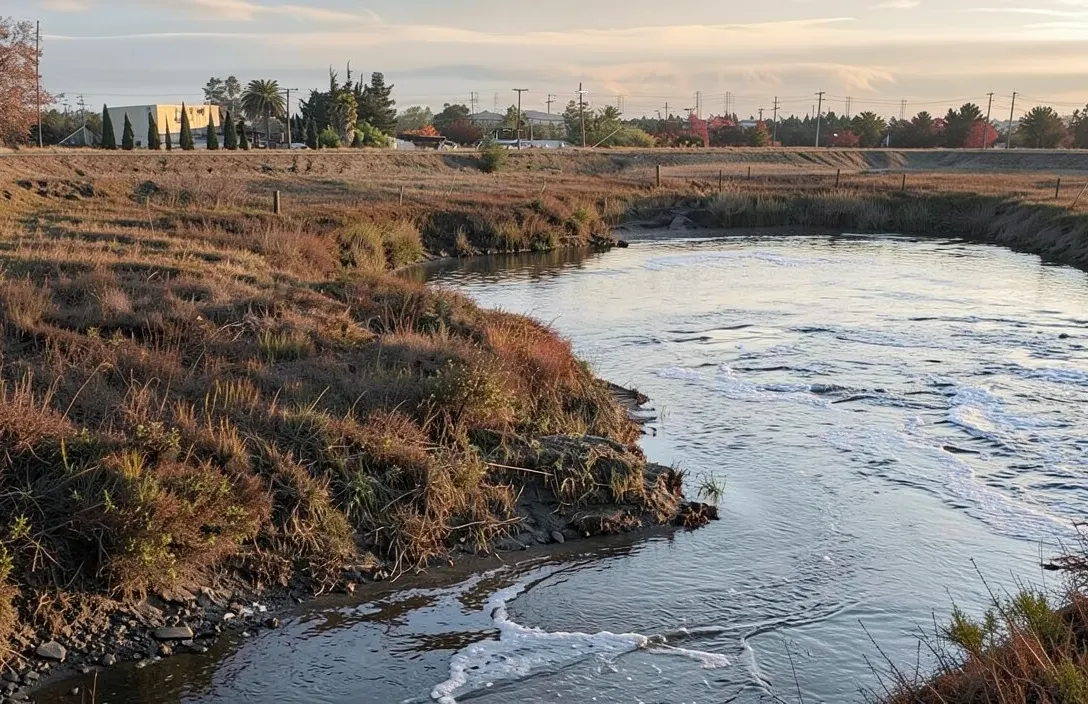
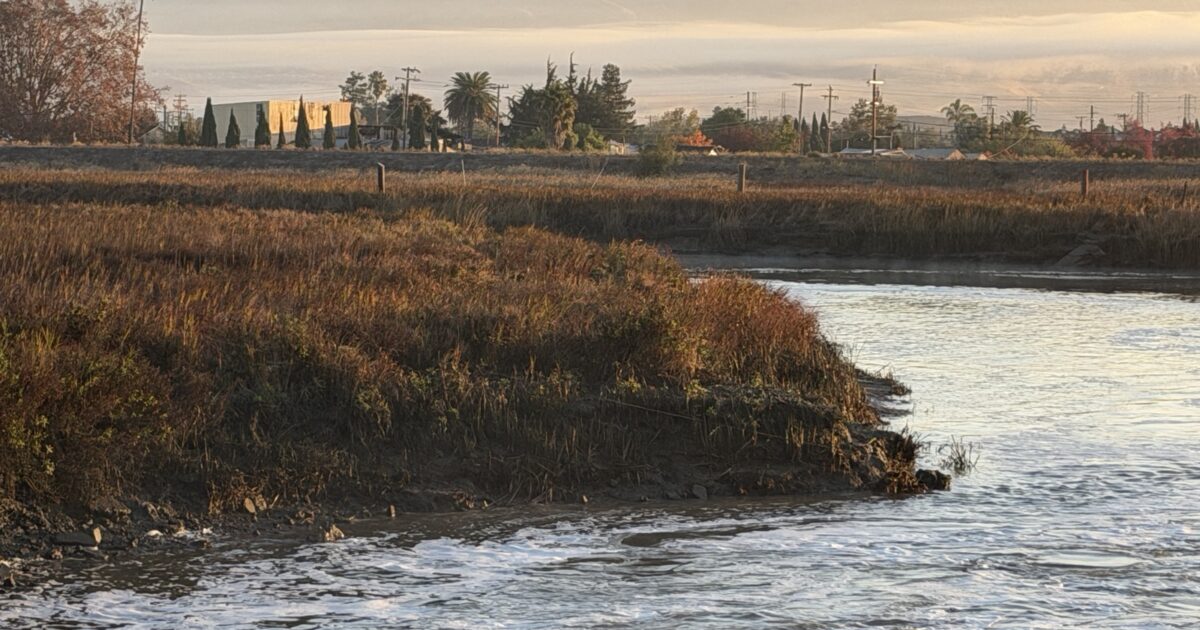
San José put winter flood preparations before the City Council on November 10. The agenda linked the proposed local emergency to California’s statewide El Niño declaration. The council had previously discussed preparedness with the Valley Water board at an October 13 joint meeting. The November item brought that work back for a report and a decision on how the city should organize its response. [4]
City staff proposed using Chapter 8.08 of the municipal code to declare a local emergency. They described the purpose in stages: preparing for possible storms, taking measures to reduce damage, responding to emergencies and organizing recovery afterward. Those are separate tasks. The agenda item concerns how the city organizes that work and gives no assurance that a particular neighborhood will avoid flooding. [4]
Valley Water has completed 167 projects this season, including vegetation removal and bank stabilization along San Jose waterways, while city outreach initiatives reached 2,000 residents through workshops and community programs. These efforts demonstrate active preparation but do not ensure resilience against extreme storms. [1]
The Coyote Creek Flood Protection Project spans a 9-mile stretch of Coyote Creek from Montague Expressway to Tully Road in Santa Clara County, California, and is divided into eight geographic segments called reaches (reaches 4 through 8). [3]
Advertisement
Phase 1 (CCFMMP) completed flood risk reduction measures in reaches 5, 6, and 7, while Phase 2 (CCFPP) will implement measures in reaches 4 through 8, with construction mobilization starting soon and completion expected by the end of 2028. [3]
The trail at Selma Olinder Park, which extends from William Street to the south end near the dog park, will be temporarily closed during the park closure period. Trail users are advised to take a detour via Woodborough Drive to continue the trail either north or south from this area. [3]
Valley Water traces the design of its Coyote Creek project to the February 2017 flood. In the Rock Springs area, the agency installed an interim floodwall and embankment. It describes that work as protection against flooding comparable to the 2017 event. That is a stated design benchmark for the interim structure, distinct from the longer-term project covering a much larger stretch of the creek. [3]
The state’s preparations also extend beyond work on rivers and creeks. The governor’s office said environmental and natural resources agencies would help local governments prepare for flooding, landslides and debris flows, including through faster consideration of permits. It separately directed the state emergency services office to broaden public communications in multiple languages so residents could find information on warnings and evacuation readiness. [2]
Advertisement
The governor’s office described El Niño as a recurring pattern of warming in the eastern Pacific. A change in ocean temperatures can affect which storms reach California and how intense they become. The office cautioned that this pattern alone cannot establish whether a particular storm will arrive or whether the winter as a whole will be wet. [2]
El Niño events have become more than 36% stronger than pre-industrial era levels, with this trend accelerating over the last 40 years due to climate change, as reported in a recent Science journal study. [2]
The state of emergency also addresses three severe weather events in Glenn, Humboldt, Kern, Mendocino, and Santa Barbara Counties, as well as a major sewage spill in Lake County, by issuing separate proclamations for recovery efforts. Additionally, Governor Newsom terminated 34 open states of emergency for past events that no longer require emergency declarations. [2]
The 1983 El Niño-driven flood remains a critical reference point, washing out hundreds of homes as rivers overflowed their banks. This event underscores how El Niño-linked rainfall can overwhelm local waterways and has informed subsequent flood mitigation efforts. [1]
Advertisement
Deputy Operating Officer John Bourgeois of Valley Water noted that Alviso has avoided major flooding in significant rainfall years since 1983, including 1998 and 2017, partly due to these improvements. However, the report acknowledges that flood risk remains concentrated in low-lying areas and that the 100-year flood standard is a design threshold, not a guarantee against increasingly severe events. [1]
The 2017 Coyote Creek flood, caused by heavy rainfall overtopping Anderson Dam in South San Jose, caused $100 million in damage and highlighted infrastructure needs. Valley Water has since drained Anderson Reservoir and completed a seismic upgrade, including a new outlet tunnel to drain the reservoir faster during storms. A successful test release in late October paved the way for the next phase of dam reconstruction. [1]
San Jose Mayor Matt Mahan credited improved coordination between city and Valley Water since 2017, noting the city's proactive approach to flood preparedness has strengthened over the past nine years. [1]
Recent flooding on February 4, 2024, forced homeless residents to evacuate encampments near the Guadalupe River, demonstrating that flood risks extend beyond Alviso's shoreline to communities living along water channels. [1]
Advertisement
Governor Newsom's September 21 proclamation declared a state of emergency for California, recognizing the El Niño event as potentially the strongest in recorded history. The order directs state agencies to protect vulnerable communities, prepare roads and critical infrastructure, stage emergency supplies, and reduce flood, landslide, and coastal hazards while accelerating procurement and permitting processes. [2]
In September, the governor’s office cited federal forecasts that put the chance of a very strong El Niño above 90 percent and the possibility of historic strength at 75 percent. Those figures describe the climate event in the forecast cited at the time. They are not probabilities for flooding in San José or for damage to any specific neighborhood. [2]
The local agenda and state announcement describe different responsibilities. The San José staff recommendation focused on how municipal resources could be organized, while California’s declaration set in motion planning by state agencies. For residents, the difference matters when interpreting announcements: a declaration is a step toward preparation, while an emergency warning describes a situation that may require immediate action. [4]
The creek project provides a separate measure of progress. Valley Water identifies the project reach as the stretch between Montague Expressway and Tully Road. Its stated goal is protection against an event on the scale of the 2017 flood. Residents following the project can distinguish completed interim measures from the scope and design goals of the overall program. [3]
California’s preparedness announcement advises residents to learn whether their home or workplace is exposed to flooding, sign up for alerts and make an evacuation plan before storms arrive. The governor’s office also urged people to follow local emergency instructions when conditions change. Those are practical steps residents can take now, even when a regional forecast cannot say which streets might be affected. [2]
Sources
Valley Water Coyote Creek Flood Protection
San José City Council file 26-1151
Prepared with AI assistance from the cited sources.
The Cali Reporter newsletter
The stories worth your time.
California, the country, and what comes next. Join our free newsletter for reporting that keeps you informed.
More in San Jose
- Proposition 1 Bond Measure Passes, Aiding Affordable Housing in Silicon Valley
Proposition 1, an affordable housing bond measure approved by state voters on Nov. 3, 2026, will enable more below-market rate housing to be constructed, offering relief to many in need.
- Nvidia CEO Resigns Amid Controversy, Stock Plummets
Nvidia announced the resignation of its CEO, Jensen Huang, following revelations about an extramarital relationship, triggering a sharp decline in the company's stock price.
- San Jose Weighs a Data Center Pause as Rules Near a Vote
A mayoral and council proposal would stop data-center land-use approvals while uniform rules head toward a Dec. 8 vote; one advocate calls the halt too short and the outreach rushed.