San Diego Officials Push for Increased Funding for Bike and Pedestrian Safety Projects
Local officials in San Diego are advocating for SANDAG to allocate more funds to bike, pedestrian, and neighborhood safety initiatives, following the return of over $17 million in state grant money due to delays and…

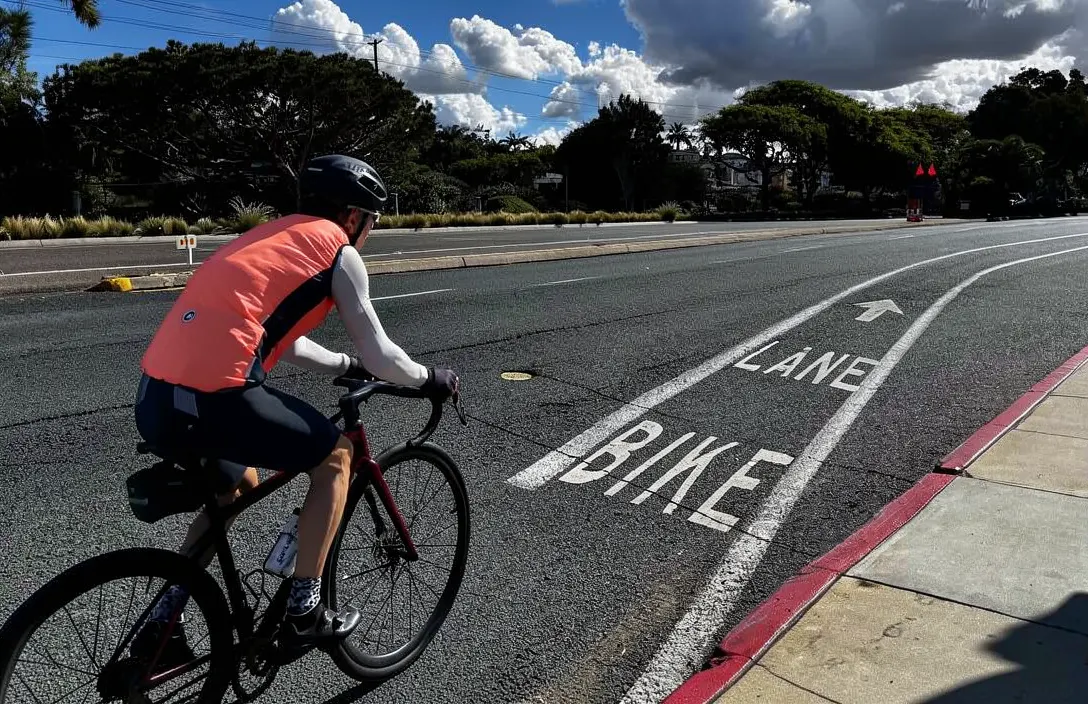
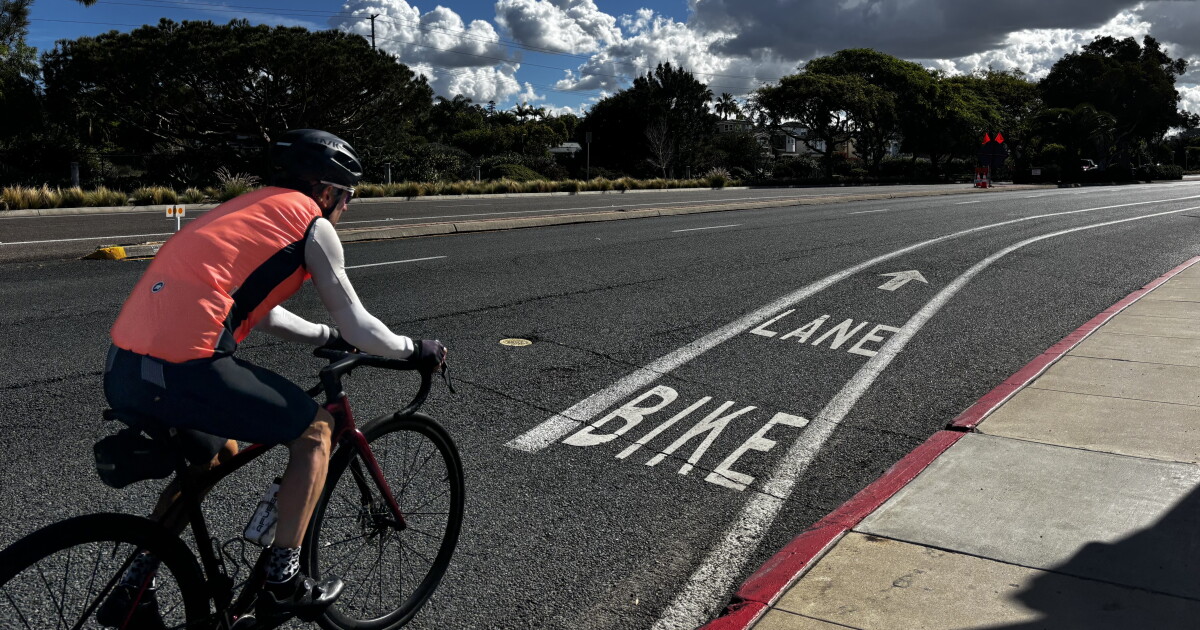
A group of local elected officials is urging SANDAG, the San Diego region's transportation planning agency, to increase its investment in bike, pedestrian, and neighborhood safety projects. This call comes after SANDAG returned over $17 million in state grant funding for such projects, citing delays and rising construction costs as the reason for the decision (1). Officials argue that the current funding levels have not kept pace with investments in vehicle infrastructure, and they believe increasing the share of Transnet funds allocated to these initiatives would help complete critical projects (1). [1]
Solana Beach City Councilmember David Zito, who chairs SANDAG's Transportation Committee, has suggested raising the percentage of Transnet revenue dedicated to bike, pedestrian, and neighborhood safety from 2% to 3%, aligning with the estimated share of the countrywide population that regularly commutes by biking or walking (1). At the Nov. 6 SANDAG board meeting, San Diego Councilmember Kent Lee proposed increasing this allocation to 4%, emphasizing the importance of understanding the trade-offs involved in making such changes (1). [1]
Amending Transnet's spending allocations would require a two-thirds majority on the SANDAG board, which could be achieved with as few as six of the 21 elected officials who sit on the board (1). Vista City Councilmember Corinna Contreras highlighted the broader implications of investing in bike and pedestrian infrastructure, noting its potential to reduce fossil fuel dependence and promote energy independence and freedom of mobility (1). Zito anticipates that SANDAG board members will discuss potential changes to Transnet during the annual board retreat in February (1). [1]
A group of local elected officials is urging SANDAG, the San Diego region's transportation planning agency, to increase its investment in bike, pedestrian, and neighborhood safety projects. According to KPBS: San Diego, this push follows SANDAG's recent return of over $17 million in state grant funding for such projects, which aim to fill gaps in the regional network of biking and walking paths. The agency cited delays and rising construction costs as reasons for not meeting the grant deadlines (1). [1]
Advertisement
Solana Beach City Councilmember David Zito, who chairs SANDAG's Transportation Committee, has suggested raising the percentage of Transnet revenue dedicated to bike, pedestrian, and neighborhood safety from 2% to 3%, aligning with the estimated share of the countrywide population that regularly commutes by biking or walking. Zito stated that the investment in cycling and pedestrian infrastructure has not kept up with what has gone into vehicle infrastructure, and that increasing the allocation would help complete these projects (1). [1]
At the SANDAG board meeting on Nov. 6, San Diego Councilmember Kent Lee suggested increasing bike and pedestrian funding to 4%. Lee emphasized the need to understand the trade-offs involved in such a change to ensure that high-priority projects are not left short of completion. Amending Transnet's spending allocations would require approval from a two-thirds majority on the SANDAG board, which could be achieved with as few as six of the 21 elected officials who sit on the board (1). [1]
A group of local elected officials is urging SANDAG, the San Diego region's transportation planning agency, to increase its investment in bike, pedestrian, and neighborhood safety projects. Solana Beach City Councilmember David Zito, who chairs SANDAG's Transportation Committee, has suggested raising the percentage of Transnet revenue dedicated to bike, pedestrian, and neighborhood safety from 2% to 3%, aligning with the estimated share of the countrywide population that regularly commutes by biking or walking (1). [1]
The push for increased funding comes after SANDAG recently returned more than $17 million in state grant funding for those projects, which aim to fill gaps in the regional network of biking and walking paths. The agency said it could not meet the grant deadlines due to delays and rising construction costs. Zito emphasized that the investment in cycling and pedestrian infrastructure has not kept pace with that in vehicle infrastructure, suggesting that increasing Transnet funds would help complete these projects (1). [1]
Advertisement
At the SANDAG board meeting on Nov. 6, San Diego Councilmember Kent Lee suggested bike and pedestrian funding should go from 2% to 4%. Lee noted that while the change should not be made blindly, understanding the trade-offs is essential to avoid leaving high-priority projects short of completion. Amending Transnet's spending allocations would require approval from a two-thirds majority on the SANDAG board, which could be achieved with as few as six of the 21 elected officials who sit on the board (1). [1]
Vista City Councilmember Corinna Contreras highlighted that SANDAG's bike and pedestrian projects are about more than just public safety, emphasizing the importance of reducing fossil fuel dependence and achieving energy independence. Zito indicated that SANDAG board members would likely discuss potential changes to Transnet at the annual board retreat in February (1). [1]
A group of local elected officials is urging SANDAG, the San Diego region's transportation planning agency, to increase its investment in bike, pedestrian, and neighborhood safety projects. The push comes after SANDAG recently returned more than $17 million in state grant funding for those projects, which aim to fill gaps in the regional network of biking and walking paths. The agency said it could not meet the grant deadlines due to delays and rising construction costs (1). [1]
Solana Beach City Councilmember David Zito, who chairs SANDAG's Transportation Committee, has suggested raising the percentage of Transnet revenue dedicated to bike, pedestrian, and neighborhood safety from 2% to 3%, aligning with the estimated share of the countrywide population that regularly commutes by biking or walking. Zito said the current investment in cycling and pedestrian infrastructure has not kept up with what has gone into vehicle infrastructure, and he believes increasing Transnet funds would help complete these projects (1). [1]
Advertisement
At the SANDAG board meeting on Nov. 6, San Diego Councilmember Kent Lee suggested bike and pedestrian funding should go from 2% to 4%. Lee emphasized the need to understand the trade-offs involved in making these changes so that high-priority projects are not left incomplete. Amending Transnet's spending allocations would require approval from a two-thirds majority on the SANDAG board, which could be achieved with as few as six of the 21 elected officials who sit on the board (1). [1]
Vista City Councilmember Corinna Contreras highlighted that SANDAG's bike and pedestrian projects are about more than just public safety, emphasizing the importance of reducing fossil fuel dependence and achieving energy independence. Contreras said the shift toward non-fossil fuel transportation is critical for freedom of mobility and other broader societal benefits (1). [1]
Sources
Prepared with AI assistance from the cited sources.
The Cali Reporter newsletter
The stories worth your time.
California, the country, and what comes next. Join our free newsletter for reporting that keeps you informed.
More in San Diego
- Community Condemns ICE Enforcement Near Encinitas School
Residents and school officials in Encinitas are expressing deep concern over an ICE arrest near a local elementary school, highlighting the emotional and psychological impact on families and children.
- San Diego Lawmakers Push Immigration Enforcement Reforms
San Diego's Congressional delegation is advocating for changes to immigration enforcement practices following recent arrests that have raised concerns about the impact on families.
- Tide Pool Etiquette and Environmental Impact During King Tides
As king tides bring more visitors to San Diego's coastline, concerns grow over the impact of human activity on tide pool ecosystems. Educators and conservationists are urging visitors to follow responsible practices to…