Reducing Screen Time Through Intentional Phone Use
An individual shares their experience of reducing daily screen time from 4–5 hours to around an hour or less by implementing strategies that promote intentional phone use, according to a personal account on Dev.to.

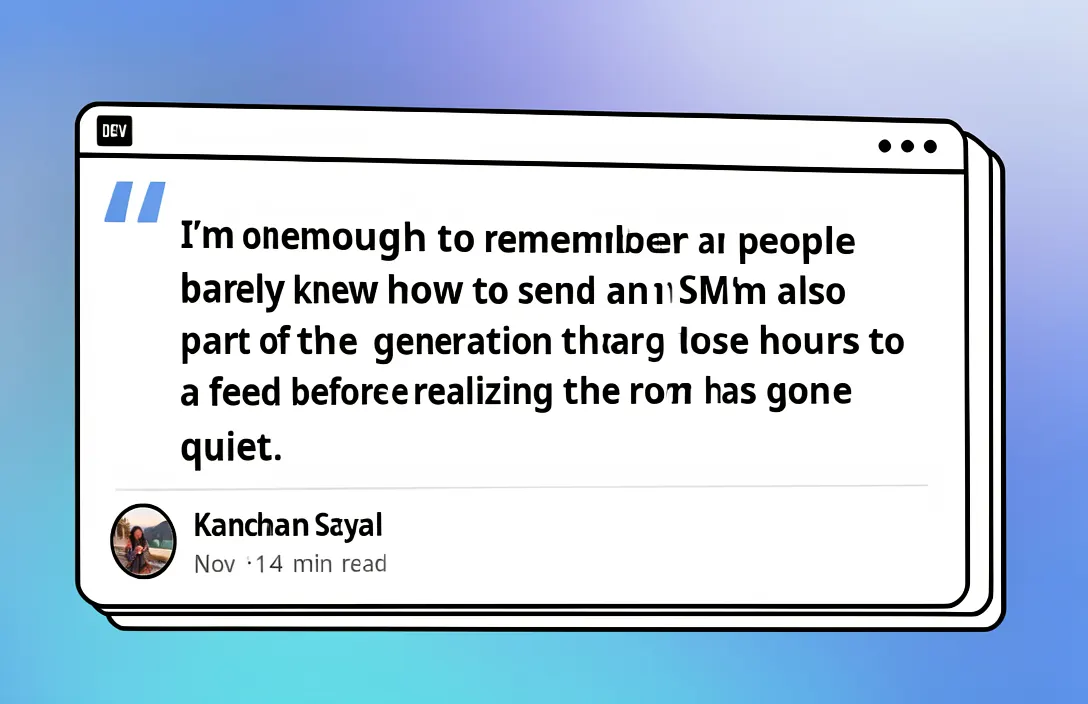

The individual recounts their journey of reducing screen time from 4–5 hours to around an hour or less, emphasizing that the change was not about giving up technology but about reclaiming time spent unintentionally on social feeds and apps. This shift was motivated by a realization that much of the time spent on screens was not intentional and often led to a loss of focus and enjoyment (Dev.to, 2023). [1]
The challenge described was not merely admitting to excessive screen time but recognizing how automatic the behavior had become. The individual noted that actions such as opening an app while waiting for a build to finish or during moments of silence had become reflexive, often without conscious intent (Dev.to, 2023). [1]
The individual implemented changes such as using a launcher called deScroll, which features a calm, text-first interface, a visible scroll counter, and a pause before opening distracting apps. These adjustments helped create a small but meaningful pause that allowed for more intentional decision-making regarding phone use (Dev.to, 2023). [1]
The individual recounts their journey of reducing screen time from 4–5 hours to around an hour or less, emphasizing that the change was not about giving up technology but about reclaiming time spent unintentionally on social feeds and apps. The challenge described was not merely admitting to excessive screen time but recognizing how automatic the behavior had become (Dev.to). The individual implemented changes such as using a launcher called deScroll, which features a calm, text-first interface, a visible scroll counter, and a pause before opening distracting apps (Dev.to). [1]
Advertisement
The individual highlights that the reflex problem was particularly difficult to address, as the behavior of opening apps had become automatic. They describe instances where they would close an app, look around, and immediately reopen the same app within seconds, indicating that the action was driven by habit rather than intention (Dev.to). The individual also notes that the reflex to reach for the phone in moments of silence or difficulty had become a default response, making it hard to break the cycle of distraction (Dev.to). [1]
The individual explains that they still use social media but aim to limit it to specific, intentional purposes rather than allowing it to consume large portions of their day. They mention that using deScroll helped them become more aware of their screen time, as the visible scroll counter made the habit of mindless scrolling impossible to ignore (Dev.to). The individual also notes that the pause before opening distracting apps introduced a small amount of friction that allowed them to make more conscious decisions about whether they actually wanted to open an app or were simply reacting to boredom (Dev.to). [1]
The individual recounts their journey of reducing screen time from 4–5 hours to around an hour or less, emphasizing that the change was not about giving up technology but about reclaiming time spent unintentionally on social feeds and apps. According to the source, the challenge described was not merely admitting to excessive screen time but recognizing how automatic the behavior had become. The individual highlights that the reflex problem was particularly difficult to address, as the behavior of opening apps had become automatic. This realization was a pivotal moment, as the individual began to see how little of their time was intentional (Dev.to, ID:1). [1]
The individual explains that they still use social media but aim to limit it to specific, intentional purposes rather than allowing it to consume large portions of their day. According to the source, the individual acknowledges that they have lost plenty of evenings to a screen but emphasizes that the difference was that after a while, it stopped feeling like something they were actually choosing. This shift in perception was crucial in their journey to reclaim their time (Dev.to, ID:1). [1]
Advertisement
What helped the individual break the habit was the use of deScroll, an Android launcher designed around intentional phone use. According to the source, a few practical features made a difference, including a calm, text-first interface, a visible scroll counter, and a pause before opening distracting apps. These features introduced enough friction to prompt the individual to question whether they actually wanted to open an app or were simply reacting to boredom (Dev.to, ID:1). [1]
The individual recounts their journey of reducing screen time from 4–5 hours to around an hour or less, emphasizing that the change was not about giving up technology but about reclaiming time spent unintentionally on social feeds and apps (Source ID 1). They highlight that the reflex problem was particularly difficult to address, as the behavior of opening apps had become automatic (Source ID 1). This automatic behavior made it challenging to recognize when they were spending time on their phone without intention (Source ID 1). [1]
The individual explains that they still use social media but aim to limit it to specific, intentional purposes rather than allowing it to consume large portions of their day (Source ID 1). They acknowledge that the reflex to open apps had become so ingrained that even simple moments of inactivity led to mindless scrolling (Source ID 1). This realization was a turning point for them, as it made them aware of how much time they were losing without even realizing it (Source ID 1). [1]
What helped the individual break the habit was the use of deScroll, an Android launcher designed around intentional phone use (Source ID 1). Features such as a calm, text-first interface, a visible scroll counter, and a pause before opening distracting apps played a crucial role in helping them regain control over their screen time (Source ID 1). These changes did not fix everything by magic, but they provided the necessary friction to allow the individual to make more intentional choices about when and how they used their phone (Source ID 1). [1]
Advertisement
The Cali Reporter newsletter
The stories worth your time.
California, the country, and what comes next. Join our free newsletter for reporting that keeps you informed.
More in Technology
- Modern Web Guidance 1.0 and Browser Compatibility
Modern Web Guidance 1.0, announced by Chrome for Developers on November 10, introduces browser compatibility data to assist coding agents in building web features. The initiative emphasizes the importance of fallback…
- Apache mod_http2 Vulnerability Detection with Nmap
A new Nmap scripting module has been developed to detect the Apache mod_http2 vulnerability (CVE-2026-119618), addressing the challenges of identifying affected systems accurately.
- Securing Remote Vendor Access in Industrial Networks
Best practices for managing remote vendor access in operational technology (OT) networks emphasize controlled access points, multifactor authentication, and time-bound sessions to reduce cybersecurity risks.