Rare Deep-Sea Encounter Captures Barreleye Fish in High-Resolution Footage
Scientists from the Monterey Bay Aquarium Research Institute (MBARI) recorded a rare encounter with a barreleye fish during an ocean expedition, capturing high-resolution footage of the elusive species for the first…

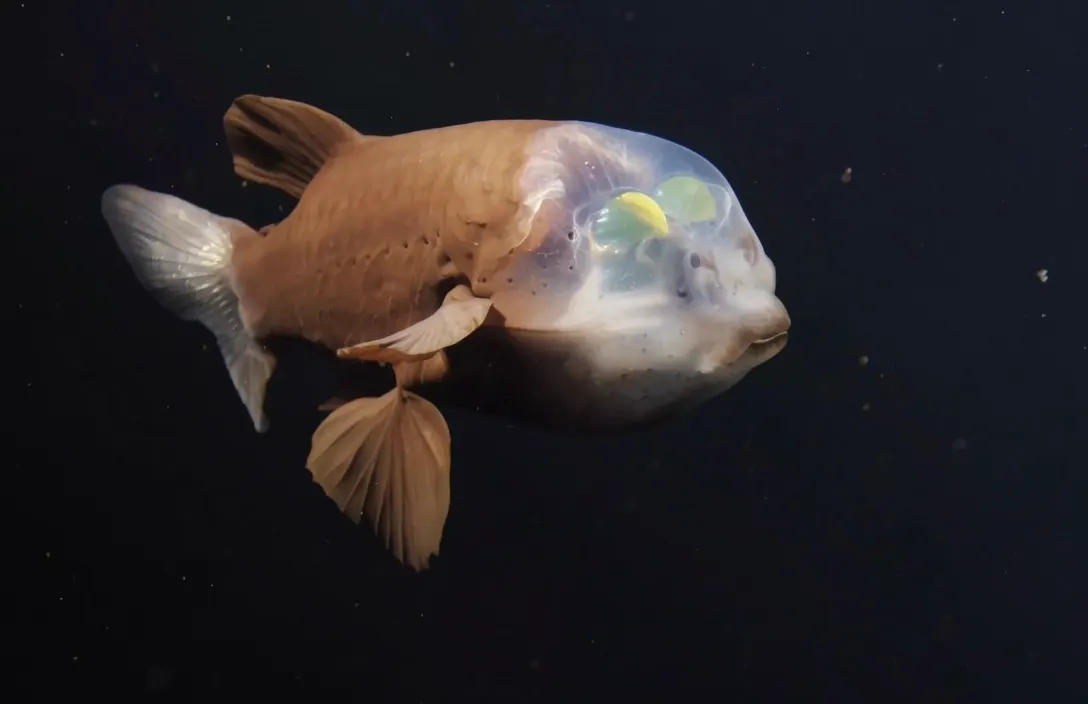
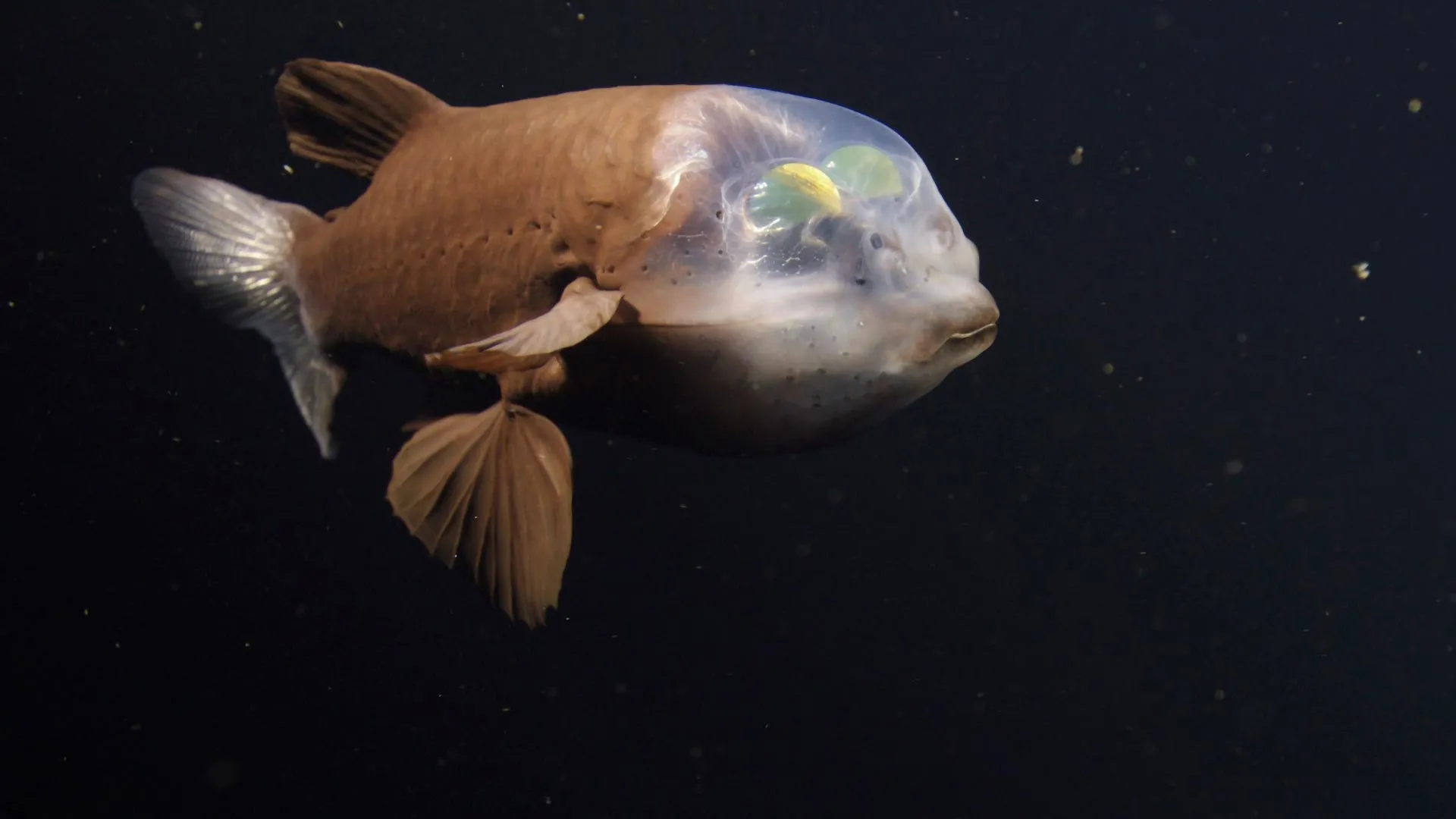
During an expedition aboard the research vessel David Packard, scientists from the Monterey Bay Aquarium Research Institute (MBARI) encountered a barreleye fish (Macropinna microstoma), a rare species known for its transparent head and unique eyes that can rotate to track prey. This discovery occurred during the Diving Deep for Delicate Drifters expedition, marking only the eleventh time MBARI researchers have spotted this elusive fish in nearly four decades of ocean exploration (source ID 1). [1]
The researchers were investigating marine life approximately 90 kilometers (55 miles) offshore when they spotted the fish about 600 meters (1,970 feet) below the surface. Using the remotely operated vehicle (ROV) Doc Ricketts, the team was filming and collecting deep-sea organisms when the unexpected visitor appeared. The encounter was an unexpected highlight of the eight-day expedition, which focused on studying gelatinous marine animals such as jellyfish and comb jellies (source ID 1). [1]
The barreleye's transparent head and unusual anatomy provide it with unique advantages for hunting in the ocean's twilight zone. Its tubular eyes normally point upward, allowing it to detect prey passing overhead, and can rotate within the transparent dome of tissue covering its head. This adaptation helps the fish maintain visual contact with prey as it moves to capture it (source ID 1). [1]
Scientists were able to spend approximately 20 minutes observing the barreleye, using the high-resolution 4K camera aboard Doc Ricketts to record detailed views of its anatomy and movements. This encounter represents the first time MBARI has captured 4K footage of the species, as well as the first observation from the new flagship research vessel David Packard (source ID 1). [1]
Advertisement
During an expedition aboard the research vessel David Packard, scientists from the Monterey Bay Aquarium Research Institute (MBARI) encountered a barreleye fish (Macropinna microstoma), a rare species known for its transparent head and unique eyes that can rotate to track prey (Source ID: 1). The researchers were investigating marine life approximately 90 kilometers (55 miles) offshore when they spotted the fish about 600 meters (1,970 feet) below the surface. This discovery marked only the eleventh time MBARI scientists have encountered this elusive fish during nearly four decades of ocean exploration. [1]
The barreleye's transparent head and unusual anatomy provide it with unique advantages for hunting in the ocean's twilight zone. Scientists were able to spend approximately 20 minutes observing the barreleye during the encounter. Using the high-resolution 4K camera aboard Doc Ricketts, they recorded unusually detailed views of its anatomy and movements (Source ID: 1). The team also adjusted the vehicle's lighting to make the fish's transparent head shield easier to observe, revealing the unusual structures that make this species so distinctive. [1]
The encounter occurred during the eight-day Diving Deep for Delicate Drifters expedition, where researchers were primarily investigating gelatinous marine animals. The barreleye appeared just as the day's underwater operations were coming to an end. The ROV pilots were "flying" Doc Ricketts toward the surface for recovery when Research Specialist Shannon Johnson noticed the unusual fish and immediately asked them to stop (Source ID: 1). [1]
During an expedition aboard the research vessel David Packard, scientists from the Monterey Bay Aquarium Research Institute (MBARI) encountered a barreleye fish (Macropinna microstoma), a rare species known for its transparent head and unique eyes that can rotate to track prey (Source ID: 1). The researchers were investigating marine life approximately 90 kilometers (55 miles) offshore when they spotted the fish about 600 meters (1,970 feet) below the surface. This encounter marked only the eleventh time MBARI scientists have encountered this elusive fish during nearly four decades of ocean exploration. [1]
Advertisement
The barreleye's transparent head and unusual anatomy provide it with unique advantages for hunting in the ocean's twilight zone. The discovery was an unexpected highlight of the eight-day Diving Deep for Delicate Drifters expedition, during which MBARI's Biodiversity and Biooptics Team was primarily investigating gelatinous marine animals, including jellyfish, siphonophores, and ctenophores (Source ID: 1). The researchers combined blue-water scuba dives near the surface with remotely operated vehicle (ROV) surveys hundreds of meters below to investigate life throughout the water column. [1]
The barreleye appeared just as the day's underwater operations were coming to an end. ROV pilots were "flying" Doc Ricketts toward the surface for recovery when Research Specialist Shannon Johnson noticed the unusual fish and immediately asked them to stop (Source ID: 1). Most of the scientists had already moved to the ship's wet lab, where they were preparing to catalog specimens collected during the dive. When word spread about the sighting, they hurried back to the control room, accompanied by crew members eager to see the extraordinary animal. [1]
During an expedition aboard the research vessel David Packard, scientists from the Monterey Bay Aquarium Research Institute (MBARI) encountered a barreleye fish (Macropinna microstoma), a rare species known for its transparent head and unique eyes that can rotate to track prey (Source ID: 1). The researchers were investigating marine life approximately 90 kilometers (55 miles) offshore when they spotted the fish about 600 meters (1,970 feet) below the surface. This encounter was part of the eight-day Diving Deep for Delicate Drifters expedition, during which the team was primarily focused on studying gelatinous marine animals. [1]
The barreleye's transparent head and unusual anatomy provide it with unique advantages for hunting in the ocean's twilight zone. The fish was observed using a remotely operated vehicle (ROV) named Doc Ricketts, which enabled scientists to capture high-resolution footage of the species. The encounter occurred as the day's underwater operations were coming to an end, with the ROV pilots preparing to recover the vehicle when Research Specialist Shannon Johnson noticed the unusual fish and immediately asked them to stop (Source ID: 1). [1]
Advertisement
The rare encounter provided an exciting conclusion to a busy and productive week of exploration. Scientists were able to spend approximately 20 minutes observing the barreleye, using the high-resolution 4K camera aboard Doc Ricketts to record detailed views of its anatomy and movements. The team also adjusted the vehicle's lighting to make the fish's transparent head shield easier to observe, revealing the unusual structures that make this species so distinctive (Source ID: 1). [1]
Sources
Prepared with AI assistance from the cited sources.
The Cali Reporter newsletter
The stories worth your time.
California, the country, and what comes next. Join our free newsletter for reporting that keeps you informed.
More in Science
- Volcanic Eruption Reshapes Iwo Jima’s Coastline
A recent volcanic eruption near Iwo Jima has temporarily extended the island's black sand beaches, though the longevity of the new land remains uncertain.
- Galaxies in the NGC 7771 Group Engage in Cosmic Merger
Astronomers have observed a group of galaxies in the NGC 7771 Group, which is located approximately 200 million light-years away in the constellation Pegasus. These galaxies are in the process of merging, a phenomenon…
- NASA Awards Contract for NOAA’s Near Earth Orbit Network Program
NASA has awarded a contract to Northrop Grumman Systems Corporation for the Sounder for Microwave-Based Applications (SMBA) instruments on NOAA’s Near Earth Orbit Network (NEON) satellites. The contract includes a…