Qwen Image 2.1: A New Era in Image Generation
Alibaba's Qwen Image 2.1 has been introduced as a powerful tool for generating high-quality images with native 2K resolution and advanced editing capabilities.

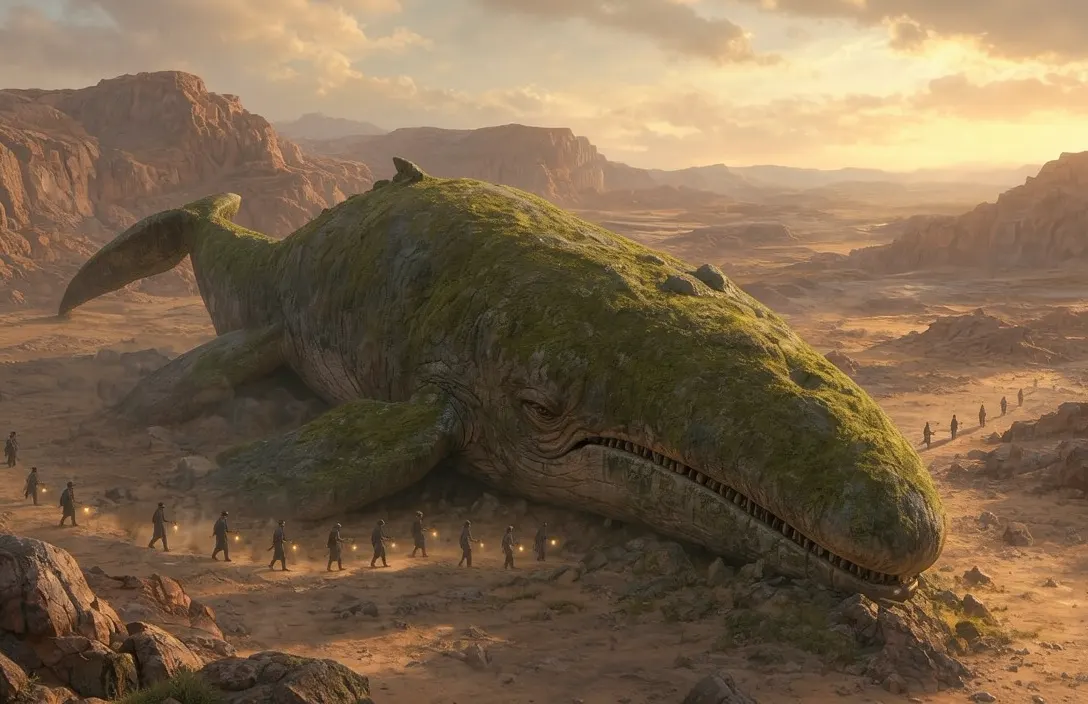

Qwen Image 2.1 is the latest image model from Alibaba's Qwen team, designed for high-resolution image generation at native 2K without upscaling. This model is particularly useful when images require precise typographic elements, such as posters, labels, or small print. It can render images at 1792 by 2400 for a 3:4 portrait, maintaining fine details like lines, silver hair, and wool fibers (Dev.to, 2023). [1]
The model is available in two versions: Qwen Image 2.1 Turbo and the full Qwen Image 2.1. Turbo is ideal for everyday use, generating images in 8 steps with a 2K image costing 0.5 credits. The full model, which takes 40 steps, is better suited for final art, very small print, or when a negative prompt is needed, with a 2K image costing 1.5 credits (Dev.to, 2023). [1]
Users can also utilize reference images and custom-trained LoRAs with Qwen Image 2.1. Up to 10 reference images can be combined, and up to three LoRAs can be used in one image. This feature allows for more detailed and customized image generation, such as incorporating a trained LoRA on a ceramic owl into a new scene with a simple prompt (Dev.to, 2023). [1]
Qwen Image 2.1 is the newest image model from Alibaba's Qwen team, and it is the one used on PixelDojo when the picture must include real type, such as a poster title, a date line, or small print that needs to be spelled correctly. It renders natively at 2K, which is not an upscale. A 3:4 portrait returns at 1792 by 2400, with fine details like lines, silver hair, and wool fibers still intact (Dev.to). [1]
Advertisement
The model can edit or combine up to 10 reference images and run up to 3 LoRAs trained by the user. This is particularly useful for creating precise images that require attention to detail, such as typographic concert posters or editorial portraits (Dev.to). [1]
Qwen Image 2.1 is available in two versions: Qwen Image 2.1 Turbo and the full Qwen Image 2.1. Turbo is ideal for everyday use, generating images in 8 steps and costing 0.5 credits for a 2K image. The full model is better suited for final art, very small print, or when a negative prompt is needed, taking 40 steps and costing 1.5 credits for a 2K image (Dev.to). [1]
Both versions of Qwen Image 2.1 offer unlimited use in Relax mode at 1K resolution without consuming credits. A practical approach is to draft on Turbo at 1K for 0.25 credits and render the final image on the full model at 2K for 1.5 credits (Dev.to). [1]
Qwen Image 2.1 is the newest image model from Alibaba's Qwen team, and it is the one used on PixelDojo when the picture must include real type, such as a poster title, a date line, or small print that needs to be spelled correctly. This model renders natively at 2K without upscaling, ensuring high-quality output. For instance, a 3:4 portrait is returned at 1792 by 2400, with fine details such as lines, silver hair, and wool fibers still intact. It can also edit or combine up to 10 reference images and run up to 3 LoRAs trained by the user (Dev.to). [1]
Advertisement
Qwen Image 2.1 is available in two versions: Qwen Image 2.1 Turbo and the full Qwen Image 2.1. Both versions offer unlimited use in Relax mode at 1K resolution without consuming credits. The Turbo version is ideal for everyday tasks such as creating posters, product shots, food images, interiors, and LoRA tests. It generates images in 8 steps and costs 0.5 credits for a 2K image (Dev.to). [1]
The full Qwen Image 2.1 is designed for more complex tasks, such as final art, very small print, or when a negative prompt is needed. It takes 40 steps and costs 1.5 credits for a 2K image. A practical loop involves using Turbo at 1K for a draft and then rendering the final image on the full model at 2K. This approach ensures high-quality output while managing costs effectively (Dev.to). [1]
Sources
Prepared with AI assistance from the cited sources.
The Cali Reporter newsletter
The stories worth your time.
California, the country, and what comes next. Join our free newsletter for reporting that keeps you informed.
More in Technology
- Modern Web Guidance 1.0 and Browser Compatibility
Modern Web Guidance 1.0, announced by Chrome for Developers on November 10, introduces browser compatibility data to assist coding agents in building web features. The initiative emphasizes the importance of fallback…
- Apache mod_http2 Vulnerability Detection with Nmap
A new Nmap scripting module has been developed to detect the Apache mod_http2 vulnerability (CVE-2026-119618), addressing the challenges of identifying affected systems accurately.
- Securing Remote Vendor Access in Industrial Networks
Best practices for managing remote vendor access in operational technology (OT) networks emphasize controlled access points, multifactor authentication, and time-bound sessions to reduce cybersecurity risks.