Public Health Misinformation Affects a Quarter of U.S. Adults
A new study reveals that over a quarter of U.S. adults report being negatively affected by public health misinformation, with 70% viewing it as a serious problem.

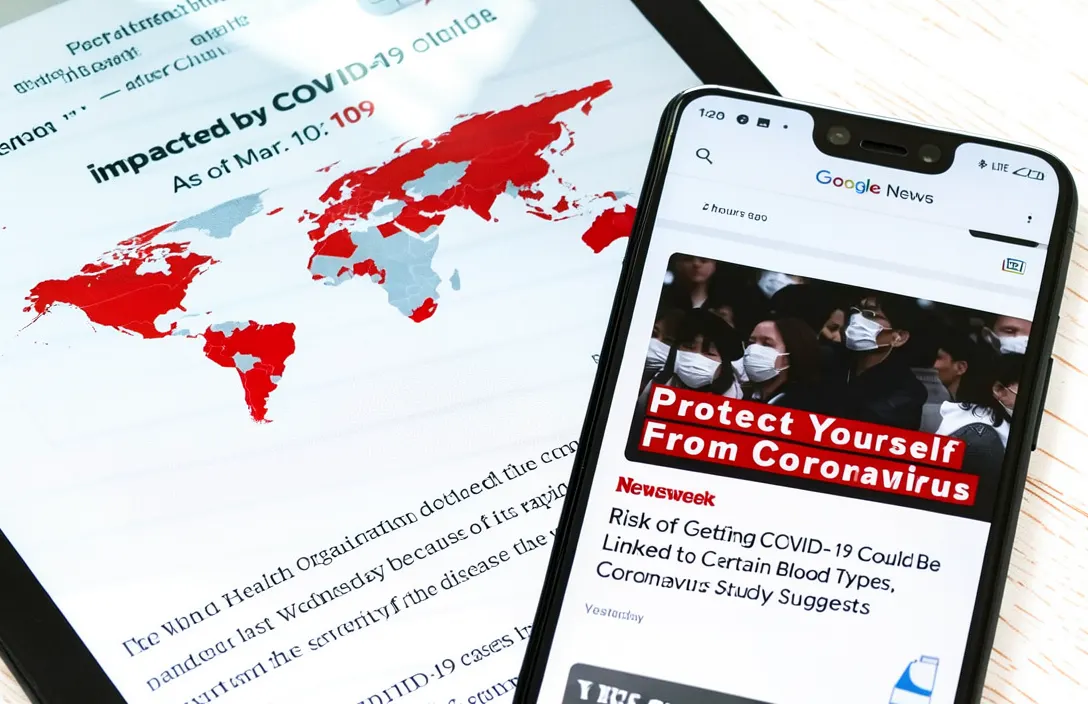

More than a quarter of U.S. adults say they or a family member have been negatively affected by public health misinformation, according to a study published in the Journal of Community Health (source 1). The research, led by New Mexico State University professors Jagdish Khubchandani and Heather Harper, found that 70% of respondents considered health misinformation a serious or very serious problem. The study surveyed 1,037 American adults using an online stratified random sampling approach. [1]
The study identified that certain groups are more likely to report negative effects from health misinformation. Respondents who identified as Hispanic, lived with three or more other people, had a chronic disease, or had multiple emergency department visits in the past year were more likely to report negative impacts (source 1). In contrast, individuals with very good or excellent health and older adults were less likely to report such effects. [1]
Social media was the most common channel for receiving health misinformation, with 24% of respondents saying they always or very often received misinformation from these platforms (source 1). Health care providers were the most frequently relied-upon source of health information, with 41% of respondents indicating they often received information from them. YouTube was the most-used platform for health information, followed by Facebook and Instagram. [1]
Participants cited several factors contributing to the spread of health misinformation, including political divides (36%), the growth of social and mass media (34%), and declining trust in government (31%) (source 1). Over half of the respondents, about 51%, said they could easily spot misinformation, while more than a fourth, about 26%, admitted to sharing health misinformation with others. [1]
Advertisement
More than a quarter of U.S. adults say they or a family member have been negatively affected by public health misinformation, according to a new study by New Mexico State University researchers (source 1). The study, published in the Journal of Community Health, was conducted by a team of researchers including Jagdish Khubchandani, Heather Harper, and their students. The survey included a sample of 1,037 American adults and found that 27% reported negative impacts from health misinformation, with 70% considering the issue a serious or very serious problem (source 1). [1]
The study identified that certain groups are more likely to report negative effects from health misinformation. Respondents who identified as Hispanic, lived with three or more other people, had a chronic disease, or had more than one emergency department visit in the past year had the highest likelihood of reporting negative impacts (source 1). In contrast, people with very good or excellent health and older adults had a lower probability of reporting negative impacts from health misinformation (source 1). [1]
Social media was the most common channel for receiving health misinformation, with 24% of respondents saying they always or very often received misinformation from these platforms (source 1). Participants cited several factors contributing to the spread of health misinformation, including political divides (36%), the growth of social and mass media (34%), and declining trust in government (31%) (source 1). [1]
More than a quarter of U.S. adults say they or a family member have been negatively affected by public health misinformation, with about 70% considering it a serious problem, according to a study by New Mexico State University researchers (source 1). The study, published in the Journal of Community Health, found that 27% of respondents reported negative effects from health misinformation, highlighting the significant impact on individuals across diverse sociodemographic backgrounds (source 1). [1]
Advertisement
The study identified that certain groups are more likely to report negative effects from health misinformation. Respondents who identified as Hispanic, lived with three or more other people, had a chronic disease, or had more than one emergency department visit in the past year had the highest likelihood of reporting negative impacts of health misinformation (source 1). In contrast, people with very good or excellent health and older adults had a lower probability of reporting negative impacts (source 1). [1]
Social media was the most common channel for receiving health misinformation, with 24% of respondents saying they always or very often received misinformation from these platforms (source 1). Participants cited several factors contributing to the spread of health misinformation, including political divides (36%), the growth of social and mass media (34%), and declining trust in government (31%) (source 1). [1]
More than a quarter of U.S. adults report that they or a family member have been negatively affected by public health misinformation, according to a study published in the Journal of Community Health (source 1). The research, conducted by New Mexico State University, found that 27% of respondents indicated negative impacts from health misinformation, while 70% viewed the issue as a serious or very serious problem. The study's sample of 1,037 American adults was recruited through an online stratified random sampling method, ensuring a broad representation of the population. [1]
The study identified that certain demographic groups are more likely to report negative effects from health misinformation. Respondents who identified as Hispanic, lived with three or more other people, had a chronic disease, or had more than one emergency department visit in the past year had the highest likelihood of reporting negative impacts (source 1). Conversely, individuals with very good or excellent health and older adults had a lower probability of reporting such effects. These findings suggest that health misinformation disproportionately affects vulnerable populations. [1]
Advertisement
Social media was identified as the most common channel for receiving health misinformation, with 24% of respondents stating they always or very often received misinformation from these platforms (source 1). In comparison, 18% received misinformation from news media, and 10% each from family members and health care providers. The study also noted that YouTube was the most-used platform for health information, followed by Facebook and Instagram, highlighting the role of digital platforms in the dissemination of health-related content. [1]
Sources
Prepared with AI assistance from the cited sources.
The Cali Reporter newsletter
The stories worth your time.
California, the country, and what comes next. Join our free newsletter for reporting that keeps you informed.
More in Health & Medicine
- Understanding Fascia and the Evidence Behind Fascia Release
Fascia is a connective tissue that plays a structural role in the human body, but evidence supporting specific exercises or tools for 'fascia release' remains limited.
- Antidepressant Effectiveness and Long-Term Use
A new review suggests that some antidepressants may be more effective than others in helping people manage depression symptoms over the long term, according to a study published in The Lancet Psychiatry.
- Experimental Weight-Loss Drug Shows Promise for Knee Osteoarthritis Pain
A new study suggests that an experimental weight-loss drug, retatrutide, may significantly reduce knee pain in people with osteoarthritis and obesity.