Psilocybin Shows Potential in Treating Anhedonia in Depression
A recent clinical trial suggests that psilocybin may help improve anhedonia, a difficult-to-treat symptom of depression, in people with treatment-resistant depression.

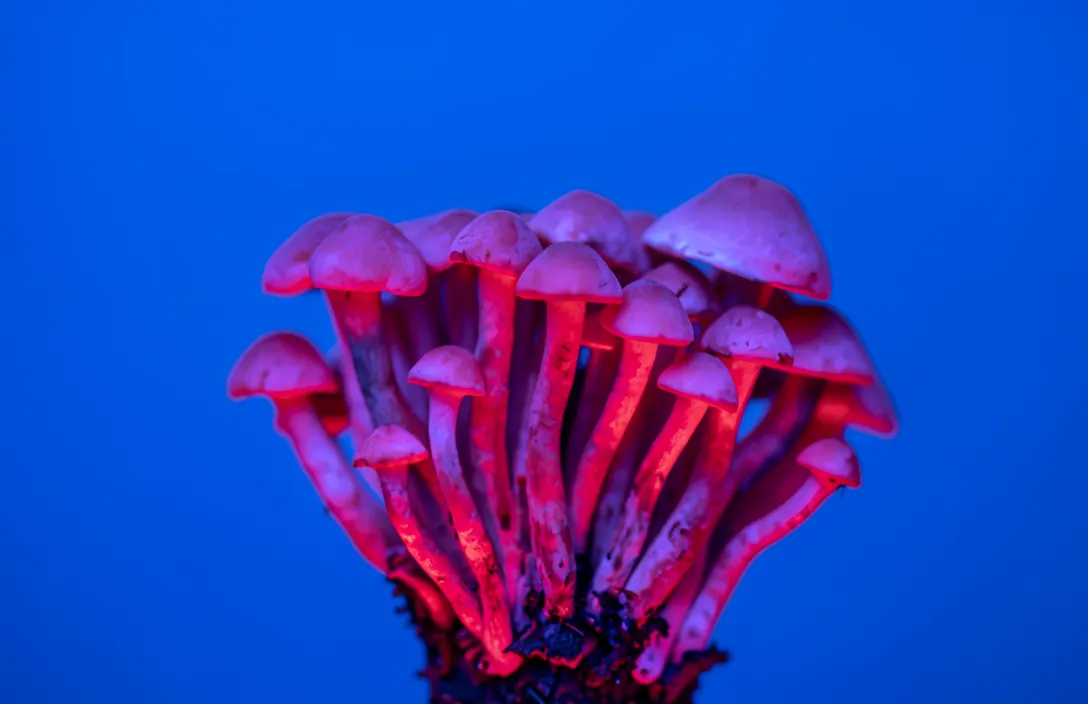

New research from the University of Colorado Anschutz suggests that psilocybin may help improve anhedonia, the loss of interest or ability to experience pleasure, in people with treatment-resistant depression (1). In a clinical trial, researchers found significant improvement in this difficult-to-treat symptom eight weeks after treatment, offering new insight into psilocybin's potential role in depression care (1). Anhedonia is one of the most difficult symptoms of depression to treat (1). It can affect a person's ability to enjoy everyday activities, connect with others and experience a sense of meaning, even when other symptoms of depression improve (1). [1]
The study, published in the Journal of Affective Disorders, is the first randomized, placebo-controlled clinical trial to specifically investigate psilocybin's effects on anhedonia in people with treatment-resistant major depressive disorder, a form of depression that has not responded adequately to previous treatments (1). Researchers found that participants who received 25 milligrams of psilocybin experienced significantly greater improvement in anhedonia eight weeks after treatment compared with participants who received a 1-milligram dose (1). However, the study did not find a statistically significant difference between the groups on its primary measure of anhedonia at one week (1). [1]
The randomized, double-blind study included 20 people with treatment-resistant major depressive disorder. Participants were randomly assigned to receive either 25 milligrams or 1 milligram of psilocybin alongside psychological support (1). Researchers assessed changes in anhedonia and overall depression severity at one and eight weeks following treatment (1). In addition to the improvement in anhedonia at week eight, participants receiving the higher dose experienced greater improvement in overall depression severity at both one and eight weeks compared with the low-dose group (1). [1]
New research from the University of Colorado Anschutz suggests that psilocybin may help improve anhedonia, the loss of interest or ability to experience pleasure, in people with treatment-resistant depression (1). The study, published in the Journal of Affective Disorders, is the first randomized, placebo-controlled clinical trial to specifically investigate psilocybin's effects on anhedonia in people with treatment-resistant major depressive disorder, a form of depression that has not responded adequately to previous treatments (1). [1]
Advertisement
The randomized, double-blind study included 20 people with treatment-resistant major depressive disorder. Participants were randomly assigned to receive either 25 milligrams or 1 milligram of psilocybin alongside psychological support. Researchers assessed changes in anhedonia and overall depression severity at one and eight weeks following treatment (1). [1]
Researchers found that participants who received 25 milligrams of psilocybin experienced significantly greater improvement in anhedonia eight weeks after treatment compared with participants who received a 1-milligram dose. However, the study did not find a statistically significant difference between the groups on its primary measure of anhedonia at one week. The difference observed at eight weeks was a secondary finding, suggesting that psilocybin's potential effects on this symptom warrant further investigation (1). [1]
New research from the University of Colorado Anschutz suggests that psilocybin may help improve anhedonia, the loss of interest or ability to experience pleasure, in people with treatment-resistant depression (1). The study, published in the Journal of Affective Disorders, is the first randomized, placebo-controlled clinical trial to specifically investigate psilocybin's effects on anhedonia in people with treatment-resistant major depressive disorder, a form of depression that has not responded adequately to previous treatments (1). [1]
Researchers found that participants who received 25 milligrams of psilocybin experienced significantly greater improvement in anhedonia eight weeks after treatment compared with participants who received a 1-milligram dose (1). However, the study did not find a statistically significant difference between the groups on its primary measure of anhedonia at one week. The difference observed at eight weeks was a secondary finding, suggesting that psilocybin's potential effects on this symptom warrant further investigation (1). [1]
Advertisement
The randomized, double-blind study included 20 people with treatment-resistant major depressive disorder. Participants were randomly assigned to receive either 25 milligrams or 1 milligram of psilocybin alongside psychological support. Researchers assessed changes in anhedonia and overall depression severity at one and eight weeks following treatment (1). [1]
New research from the University of Colorado Anschutz suggests that psilocybin may help improve anhedonia, the loss of interest or ability to experience pleasure, in people with treatment-resistant depression (1). The study, published in the Journal of Affective Disorders, is the first randomized, placebo-controlled clinical trial to specifically investigate psilocybin's effects on anhedonia in people with treatment-resistant major depressive disorder, a form of depression that has not responded adequately to previous treatments (1). [1]
Researchers found that participants who received 25 milligrams of psilocybin experienced significantly greater improvement in anhedonia eight weeks after treatment compared with participants who received a 1-milligram dose (1). However, the study did not find a statistically significant difference between the groups on its primary measure of anhedonia at one week. The difference observed at eight weeks was a secondary finding, suggesting that psilocybin's potential effects on this symptom warrant further investigation (1). [1]
The randomized, double-blind study included 20 people with treatment-resistant major depressive disorder. Participants were randomly assigned to receive either 25 milligrams or 1 milligram of psilocybin alongside psychological support. Researchers assessed changes in anhedonia and overall depression severity at one and eight weeks following treatment (1). [1]
Advertisement
The Cali Reporter newsletter
The stories worth your time.
California, the country, and what comes next. Join our free newsletter for reporting that keeps you informed.
More in Health & Medicine
- Understanding Fascia and the Evidence Behind Fascia Release
Fascia is a connective tissue that plays a structural role in the human body, but evidence supporting specific exercises or tools for 'fascia release' remains limited.
- Antidepressant Effectiveness and Long-Term Use
A new review suggests that some antidepressants may be more effective than others in helping people manage depression symptoms over the long term, according to a study published in The Lancet Psychiatry.
- Experimental Weight-Loss Drug Shows Promise for Knee Osteoarthritis Pain
A new study suggests that an experimental weight-loss drug, retatrutide, may significantly reduce knee pain in people with osteoarthritis and obesity.