Proposition 4 Fails to Lift California's Ban on Public Campaign Financing
California voters have rejected Proposition 4, which aimed to lift a decades-old ban on public funding for state and local candidates, keeping in place a restriction that has limited the use of taxpayer money in…

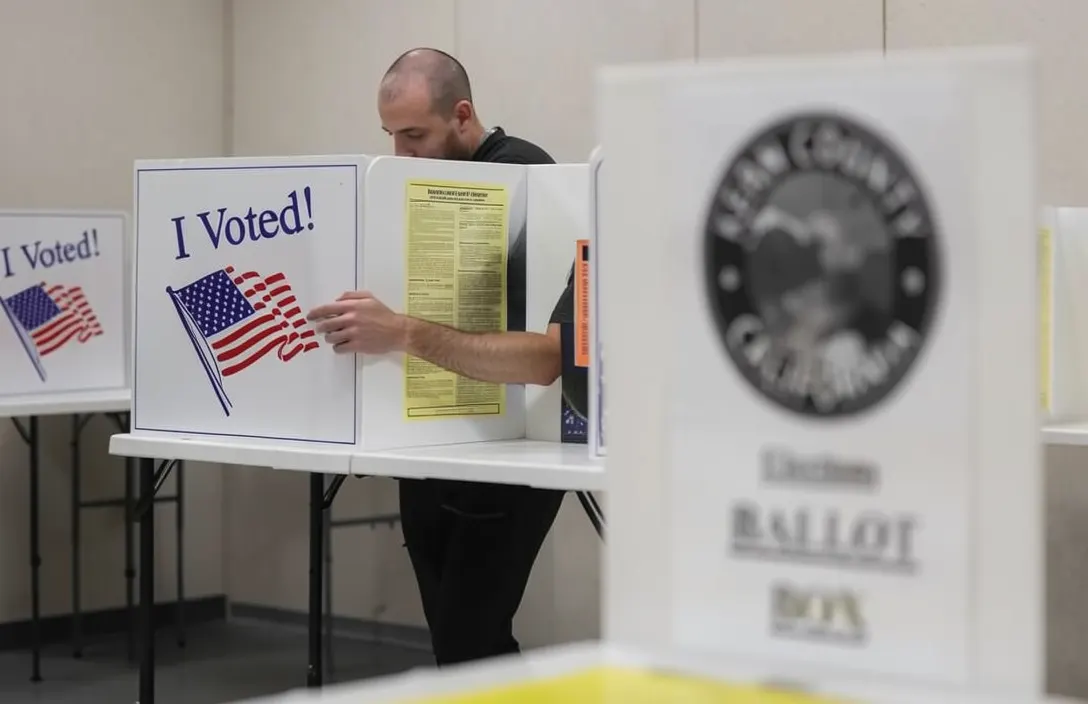

California’s ban against public funding for most state and local candidates running for office will remain in place now that the defeat of Proposition 4 is official (1). The Yes on Prop. 4 campaign conceded Thursday, after weeks of trailing by a thin margin. The proposition would have lifted the 1988 ban and allowed state and local governments to set up public campaign financing. With 99% of the votes counted as of Thursday morning, 50.2% of voters opposed the measure, with 49.8% in favor. [1]
Critics said the public should not subsidize political campaigns, period. Others argued that fraudulent candidates could scam the system, and taxpayers could end up subsidizing candidates or types of political speech they don’t support. Some were also skeptical that public campaign financing could curb private spending in politics, saying there’s little evidence it works (1). [1]
Voter confusion? The ballot measure may have been confusing to voters, which could be why the race was so tight, said Mindy Romero, founder and director of the nonpartisan Center for Inclusive Democracy. Even though polling consistently shows that voters think there’s too much money in politics, there’s no consensus on how to address it, she said (1). [1]
California’s ban against public funding for most state and local candidates running for office will remain in place now that the defeat of Proposition 4 is official (1). The Yes on Prop. 4 campaign conceded Thursday, after weeks of trailing by a thin margin. The proposition would have lifted the 1988 ban and allowed state and local governments to set up public campaign financing. With 99% of the votes counted as of Thursday morning, 50.2% of voters opposed the measure, with 49.8% in favor. [1]
Advertisement
Critics said the public should not subsidize political campaigns, period. Others argued that fraudulent candidates could scam the system, and taxpayers could end up subsidizing candidates or types of political speech they don’t support. Some were also skeptical that public campaign financing could curb private spending in politics, saying there’s little evidence it works. [1]
Voter confusion? The ballot measure may have been confusing to voters, which could be why the race was so tight, said Mindy Romero, founder and director of the nonpartisan Center for Inclusive Democracy. Even though polling consistently shows that voters think there’s too much money in politics, there’s no consensus on how to address it, she said. [1]
California’s ban against public funding for most state and local candidates running for office will remain in place now that the defeat of Proposition 4 is official (1). The Yes on Prop. 4 campaign conceded Thursday, after weeks of trailing by a thin margin. With 99% of the votes counted as of Thursday morning, 50.2% of voters opposed the measure, with 49.8% in favor. [1]
Supporters of the proposition argued that it would make it easier for candidates without wealthy donors to run for office, boost competition, and counter the influence of major donors. They claimed that public financing would allow candidates to focus on listening to voters rather than their donors. However, critics emphasized that the public should not subsidize political campaigns, period (1). [1]
Advertisement
Some voters expressed confusion about the measure, which may have contributed to the close vote. Mindy Romero, founder and director of the nonpartisan Center for Inclusive Democracy, noted that while many voters believe there is too much money in politics, there is no consensus on how to address the issue (1). [1]
Seven charter cities in California, including San Francisco, Berkeley, and Oakland, were already exempt from the 1988 ban and had public campaign financing. Prop. 4 would have given state and other local governments the option to set up similar systems if they chose to do so (1). [1]
The defeat of Proposition 4, which would have lifted the 1988 ban on public campaign financing, has left California’s existing restrictions in place. With 99% of the votes counted, 50.2% of voters opposed the measure, while 49.8% supported it (1). The narrow margin suggests that the issue remains highly contested, with supporters arguing that public funding would make it easier for candidates without wealthy donors to run for office and increase competition in elections. However, the close vote has also led to speculation that voter confusion may have played a role in the outcome (1). [1]
Critics of the proposition argued that public funding would allow the government to subsidize political campaigns, which they believe should be entirely privately funded. Some voters expressed uncertainty about the measure, with concerns about what the proposal meant for their tax dollars and whether it would lead to additional taxes or direct financial support for candidates (1). This confusion may have contributed to the tight race, as many voters were unclear about the practical implications of the measure (1). [1]
Advertisement
Supporters of the proposition, including good government groups and Democratic leaders, emphasized that public financing could reduce the influence of major donors in elections and allow candidates to focus more on voters than on fundraising. However, critics, such as Assemblymember Carl DeMaio, argued that the public should not subsidize political campaigns and that politicians should not ignore voter opposition to such measures (1). The debate over the role of public money in elections remains unresolved, and the close vote suggests that the issue may resurface in the future (1). [1]
Sources
Prepared with AI assistance from the cited sources.
The Cali Reporter newsletter
The stories worth your time.
California, the country, and what comes next. Join our free newsletter for reporting that keeps you informed.
More in San Diego
- Community Condemns ICE Enforcement Near Encinitas School
Residents and school officials in Encinitas are expressing deep concern over an ICE arrest near a local elementary school, highlighting the emotional and psychological impact on families and children.
- San Diego Lawmakers Push Immigration Enforcement Reforms
San Diego's Congressional delegation is advocating for changes to immigration enforcement practices following recent arrests that have raised concerns about the impact on families.
- Tide Pool Etiquette and Environmental Impact During King Tides
As king tides bring more visitors to San Diego's coastline, concerns grow over the impact of human activity on tide pool ecosystems. Educators and conservationists are urging visitors to follow responsible practices to…