Phone Bans in Schools Show Modest Academic Gains
A new nationwide study from Harvard finds that strict cellphone restrictions at school can reduce phone use and produce small academic gains, but the findings raise questions about why schools aren't seeing bigger…

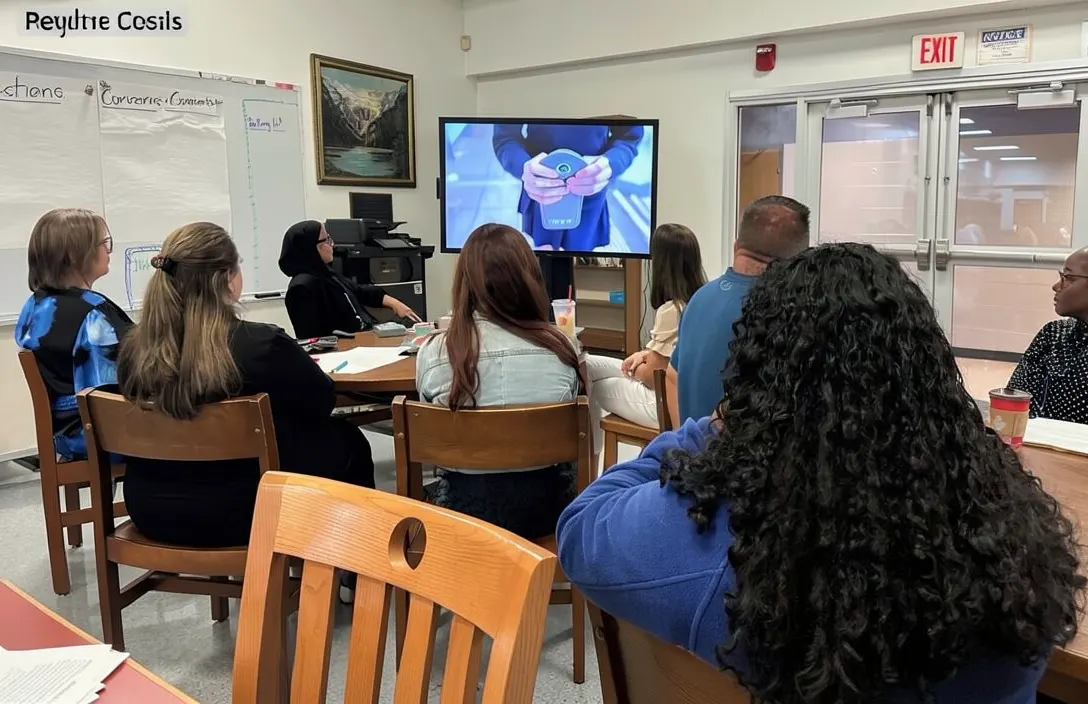

Phone bans have now become common at U.S. schools. But are the bans helping students learn? Emerging research suggests they might, but the academic gains have been modest. A new nationwide study from Harvard finds that strict cellphone restrictions at school can reduce phone use and produce small academic gains. However, the findings raise questions about why schools aren't seeing bigger academic gains when they take phones away. Experts say the bans are just addressing part of the problem. They wonder how much out-of-school phone and screen use is also affecting learning, or if other devices are still causing distractions in the classroom (source ID: 1). [1]
In the past few years, more than 40 U.S. states have passed laws that restrict cellphones at schools, according to the Phone Free Schools State Report Card, which tracks state phone legislation. But those laws vary widely and often let schools design their own policies, resulting in a patchwork of rules and enforcement across the country. A large-scale study published Tuesday found strict cellphone restrictions — ones that require students to put phones in locked pouches for the entire school day — result in small academic gains. But, the researchers said, the gains can add up if schools continue banning phones (source ID: 1). [1]
The study, led by Harvard's Center for Education Policy Research, found the schools with strict phone restrictions saw "modest" improvements in academic growth, compared with students in similar schools without those restrictions. The study, which analyzed test scores of 3.3 million students at 4,600 schools nationally, estimates the academic gains were equivalent to about an additional week or two of learning over a school year. Student achievement has been falling globally since 2013, which is roughly when social media-enabled smartphones took off (source ID: 1). [1]
Phone bans have now become common at U.S. schools. But are the bans helping students learn? Emerging research suggests they might, but the academic gains have been modest (1). Experts say the bans are just addressing part of the problem. They wonder how much out-of-school phone and screen use is also affecting learning, or if other devices are still causing distractions in the classroom (1). [1]
Advertisement
In the past few years, more than 40 U.S. states have passed laws that restrict cellphones at schools, according to the Phone Free Schools State Report Card, which tracks state phone legislation. But those laws vary widely and often let schools design their own policies, resulting in a patchwork of rules and enforcement across the country (1). [1]
The study, led by Harvard's Center for Education Policy Research, found the schools with strict phone restrictions saw "modest" improvements in academic growth, compared with students in similar schools without those restrictions. The study, which analyzed test scores of 3.3 million students at 4,600 schools nationally, estimates the academic gains were equivalent to about an additional week or two of learning over a school year (1). [1]
Phone bans have now become common at U.S. schools. But are the bans helping students learn? Emerging research suggests they might, but the academic gains have been modest. A new nationwide study from Harvard finds that strict cellphone restrictions at school can reduce phone use and produce small academic gains. However, the findings raise questions about why schools aren't seeing bigger academic gains when they take phones away (Source ID: 1). [1]
The argument for school cellphone bans is simple: Phones offer endless distraction. Take them away and students can focus on classwork, engage with peers, and, ultimately, learn more. But the reality is more complicated, as emerging research shows. Schools can lock phones away in pouches or banish them to backpacks, but they can't shut out the digital world (Source ID: 1). [1]
Advertisement
In the past few years, more than 40 U.S. states have passed laws that restrict cellphones at schools, according to the Phone Free Schools State Report Card, which tracks state phone legislation. But those laws vary widely and often let schools design their own policies, resulting in a patchwork of rules and enforcement across the country (Source ID: 1). [1]
Phone bans have become increasingly common in U.S. schools, with over 40 states implementing laws that restrict cellphone use. However, the effectiveness of these bans in improving academic outcomes remains a topic of debate. A study from Harvard's Center for Education Policy Research found that schools with strict phone restrictions, such as requiring students to store phones in locked pouches, saw 'modest' improvements in academic growth compared to schools without such policies (Source ID: 1). The study analyzed test scores from 3.3 million students across 4,600 schools, estimating that the academic gains were equivalent to about an additional week or two of learning over a school year. [1]
Despite these findings, the academic gains are described as 'modest' and raise questions about the long-term impact of phone bans. Experts suggest that the effects may accumulate over time, but immediate large-scale improvements are unlikely. The study also notes that student achievement has been declining globally since 2013, roughly when social media-enabled smartphones became widespread. Harvard professor Thomas Kane, one of the study's authors, stated that while phone bans do have a positive effect on academic growth, they are not a 'panacea' (Source ID: 1). [1]
However, some researchers remain skeptical about the effectiveness of phone bans. A different study published by the National Bureau of Economic Research found 'close to zero' effect on test scores from strict school phone bans. The study compared schools with bans to tens of thousands of other schools and noted that the findings were inconclusive. Stanford education economist Thomas Dee, an author of the NBER study, said that the early results from school phone bans are 'largely disappointing' and raise unresolved questions (Source ID: 1). [1]
Advertisement
The Cali Reporter newsletter
The stories worth your time.
California, the country, and what comes next. Join our free newsletter for reporting that keeps you informed.
More in San Diego
- Community Condemns ICE Enforcement Near Encinitas School
Residents and school officials in Encinitas are expressing deep concern over an ICE arrest near a local elementary school, highlighting the emotional and psychological impact on families and children.
- San Diego Lawmakers Push Immigration Enforcement Reforms
San Diego's Congressional delegation is advocating for changes to immigration enforcement practices following recent arrests that have raised concerns about the impact on families.
- Tide Pool Etiquette and Environmental Impact During King Tides
As king tides bring more visitors to San Diego's coastline, concerns grow over the impact of human activity on tide pool ecosystems. Educators and conservationists are urging visitors to follow responsible practices to…