Paramedics Need Time and Support to Recover Between Emergency Calls
A recent study highlights the challenges paramedics face in dealing with the emotional and psychological strain of their work, emphasizing the need for adequate support and recovery time.

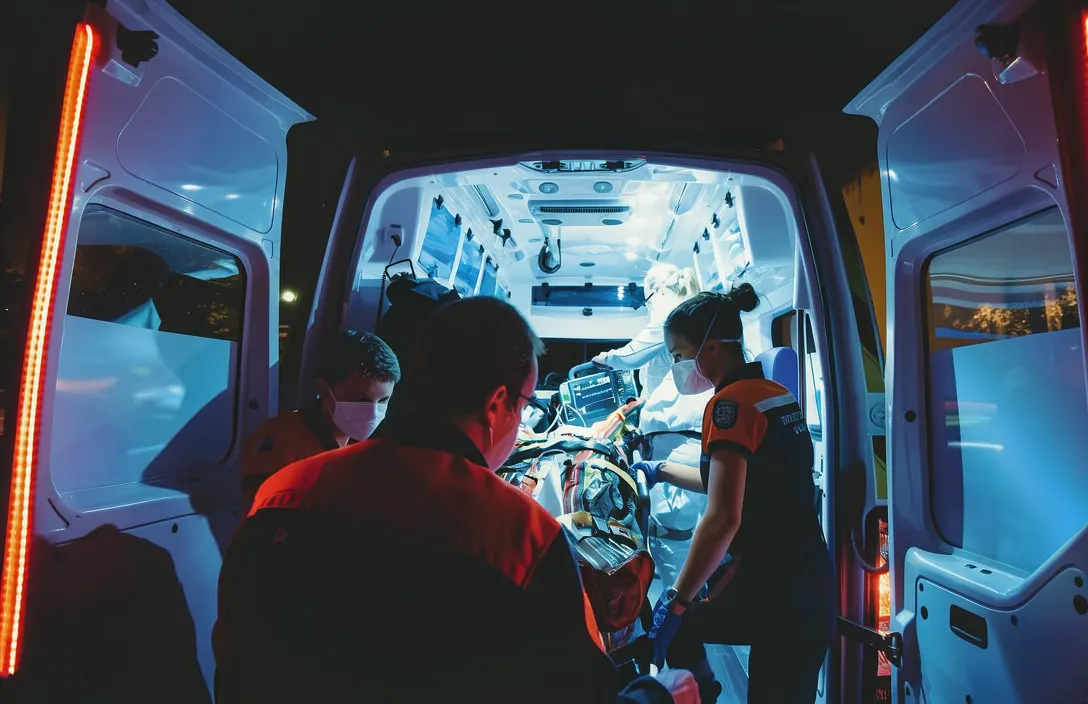

Ambulance staff frequently encounter death, serious injury, and violence on the job, which can contribute to significant emotional and psychological strain. A review of research on ambulance work indicates that long shifts, unpredictable work schedules, and limited recovery time exacerbate these challenges. During the COVID-19 pandemic, U.K. ambulance staff reported worsening shortages and concerns about insufficient time to perform their duties effectively (source ID: 1). [1]
Paramedics often face moral distress when they are unable to provide the care they believe is necessary for patients. This emotional conflict can arise when guidelines require continued efforts to revive a patient even when a paramedic believes further attempts may be futile. In interviews, paramedics described the importance of post-call conversations with trusted colleagues to process difficult experiences and make sense of what happened (source ID: 1). [1]
Support systems, such as counseling and private discussions after difficult calls, are essential for paramedics to manage the emotional toll of their work. An ambulance service may offer these resources, but staff must feel comfortable using them. A trial involving 570 student paramedics found that an online program teaching how to manage distressing memories reduced the likelihood of post-traumatic stress disorder and major depression among participants (source ID: 1). [1]
The study highlights the U.K. ambulance service's challenges during the COVID-19 pandemic, where staff reported worsening shortages and limited time to perform their duties effectively. Ambulance workers faced extended shifts and unpredictable schedules, which contributed to increased stress and fatigue. The research specifically notes that during this period, paramedics felt overburdened and under-supported, with concerns about the lack of resources and time to recover between calls. These pressures were compounded by the high volume of emergency calls, which often left little room for rest or reflection. The U.K. study also points to the importance of having adequate staffing levels and ensuring that paramedics are not overworked, as this can lead to long-term physical and emotional consequences. [1]
Advertisement
In the context of ambulance work in the U.K., the article describes the expectation that paramedics must be resilient and self-reliant in managing the emotional toll of their job. However, the research emphasizes that this expectation can be unrealistic and may prevent staff from seeking the support they need. The study also outlines the documented limits of the current system, noting that ambulance services often lack the infrastructure to provide adequate mental health resources for their workers. This includes limited access to counseling and a lack of time for debriefing after difficult calls. The article further mentions that some ambulance services have implemented training programs aimed at helping paramedics manage distressing memories and reduce the risk of developing post-traumatic stress disorder or depression. [1]
The article provides specific examples of how paramedics in the U.K. encounter moral distress, particularly when they are unable to provide the level of care they believe is necessary for a patient. One documented scenario involves paramedics following strict guidelines to continue resuscitation efforts on patients whose hearts have stopped, even when they believe further attempts may be futile. This practice, while intended to protect patients, can create significant emotional strain for the paramedics involved. The study also discusses the importance of having a trusted colleague or external support system to help paramedics process these difficult situations. It notes that when crews repeatedly raise concerns about systemic issues, such as understaffing or insufficient resources, managers must take these concerns seriously and implement meaningful changes to improve working conditions. [1]
The article highlights the demanding nature of ambulance work, particularly in the U.K., where paramedics often face long shifts, unpredictable schedules, and limited recovery time between calls. This strain is exacerbated during crises such as the COVID-19 pandemic, when ambulance staff reported worsening shortages and insufficient time to perform their duties effectively. The physical and emotional toll of the job is evident in the expectation placed on paramedics to be resilient, a concept that many find difficult to reconcile with the reality of their experiences. Paramedics frequently encounter situations where they are unable to provide the level of care they believe is necessary, leading to moral distress—a term used to describe the internal conflict that arises when professionals are prevented from acting in accordance with their ethical beliefs. This emotional burden is compounded by the lack of adequate support structures within ambulance services, which can leave staff feeling isolated and unsupported after traumatic calls. The article further notes that the pressure to work faster, often imposed by senior management, can overshadow concerns about staff well-being, contributing to a cycle of burnout and reduced morale. These challenges underscore the need for systemic changes to better support paramedics and ensure they can provide the quality of care their patients deserve. [1]
The article references a study involving 570 student paramedics that tested an online program designed to help them manage distressing memories and reduce the time spent dwelling on difficult experiences. A year after the program's implementation, students who participated were less likely to meet the criteria for post-traumatic stress disorder or major depression compared to those who received standard training. This suggests that early intervention and education on coping mechanisms can play a crucial role in mitigating the psychological effects of the job. The article also emphasizes the importance of creating an environment where paramedics feel comfortable discussing difficult calls with trusted colleagues or external support systems. It highlights that ambulance services can offer counseling, but the effectiveness of these resources depends on whether staff feel empowered to use them. Additionally, the article mentions that after major incidents, ambulance services may provide extra support to crews, although the same level of attention is not always given to the cumulative effects of multiple challenging calls over the course of a single shift. This highlights the need for consistent and accessible support systems that are integrated into the daily operations of ambulance services. [1]
Advertisement
The Cali Reporter newsletter
The stories worth your time.
California, the country, and what comes next. Join our free newsletter for reporting that keeps you informed.
More in Health & Medicine
- Understanding Fascia and the Evidence Behind Fascia Release
Fascia is a connective tissue that plays a structural role in the human body, but evidence supporting specific exercises or tools for 'fascia release' remains limited.
- Antidepressant Effectiveness and Long-Term Use
A new review suggests that some antidepressants may be more effective than others in helping people manage depression symptoms over the long term, according to a study published in The Lancet Psychiatry.
- Experimental Weight-Loss Drug Shows Promise for Knee Osteoarthritis Pain
A new study suggests that an experimental weight-loss drug, retatrutide, may significantly reduce knee pain in people with osteoarthritis and obesity.