Origins of World Hello Day
The inception of World Hello Day in 1973 was driven by a desire to promote peace through personal communication.
In 1973, American brothers Michael and Brian McCormack mailed 1,360 letters in seven languages to government leaders across the globe, encouraging them to participate in the inaugural World Hello Day (source ID: 1). The brothers aimed to celebrate the importance of personal communication in preserving peace, as Michael, a senior at Harvard at the time, previously told the university paper, The Crimson. They pooled their money to pay for the postage, with the goal of getting their recipients to agree to spread the word. The idea behind the holiday, observed every Nov. 21, is that differences should be addressed through peaceful conversation rather than conflict. [1]
To participate, all you have to do is say 'hello' to 10 people. Fifteen countries pledged their support the first year; today, individuals in 180 have joined in — including 31 Nobel Peace Prize winners who sent the brothers letters championing World Hello Day (source ID: 1). Michael explained to the Associated Press back in 1991 that the holiday gives people a chance to do something about the world; it empowers them. The brothers also encouraged participants to learn how to say hello in different languages, as a way to broaden their reach and foster global connections. [1]
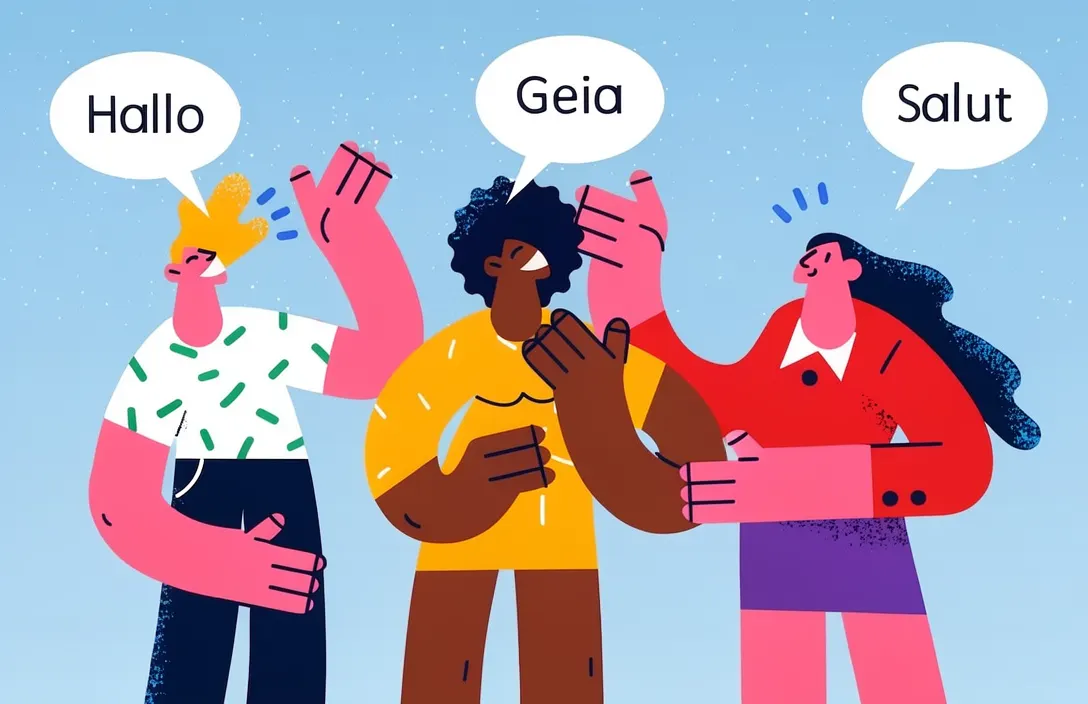
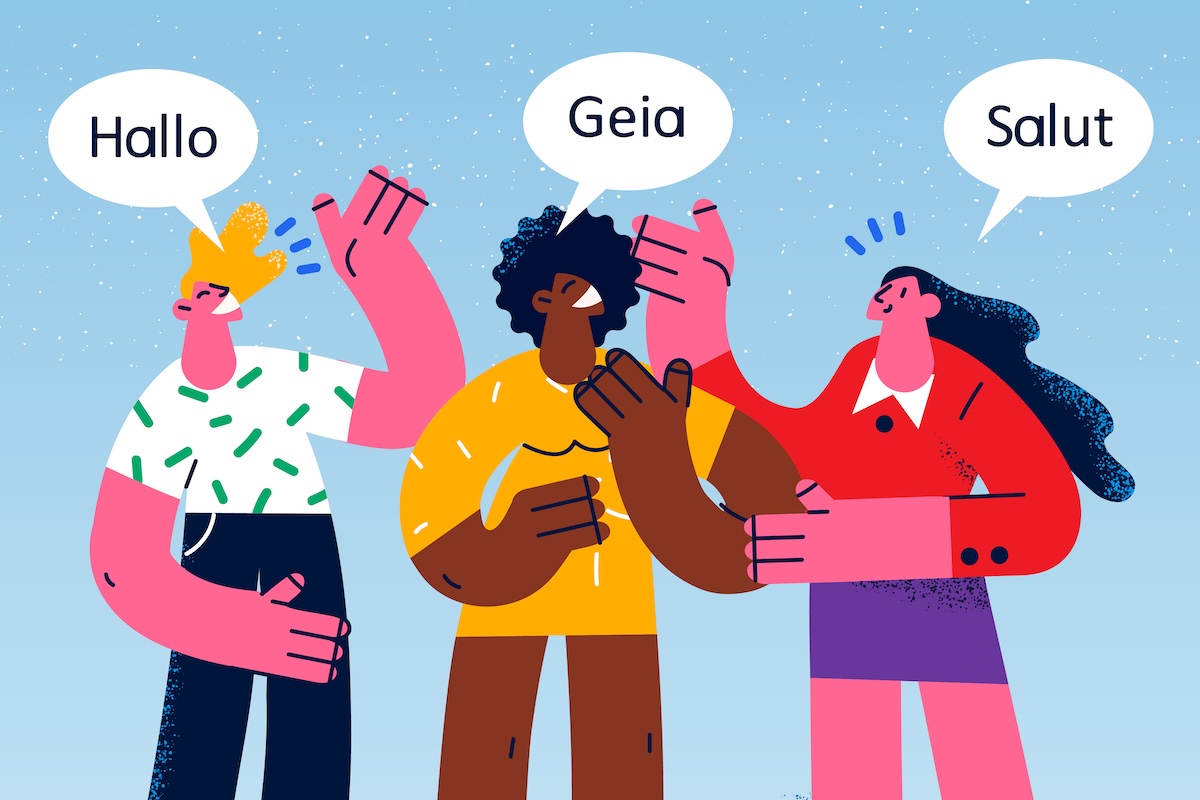
The initiative included a list of 25 translations of 'hello' in various languages, including Portuguese – olá, Hindi – namaste, Dutch – hallo, and many others (source ID: 1). This list was intended to help participants engage with people from diverse cultural backgrounds in a meaningful and respectful way. The efforts of Michael and Brian McCormack laid the foundation for a global movement that continues to emphasize the power of simple, peaceful communication as a tool for understanding and unity. [1]
In 1973, American brothers Michael and Brian McCormack mailed 1,360 letters in seven languages to government leaders across the globe, encouraging them to participate in the inaugural World Hello Day (source ID: 1). The initiative was inspired by the brothers' belief in the power of personal communication to foster peace. Michael, a senior at Harvard at the time, previously told the university paper, The Crimson, that the goal was to get recipients to agree to spread the word about the importance of peaceful dialogue (source ID: 1). [1]
Advertisement
To participate in World Hello Day, all one has to do is say 'hello' to 10 people. The initiative included a list of 25 translations of 'hello' in various languages, including Portuguese – olá, Hindi – namaste, Dutch – hallo, and many others (source ID: 1). This multilingual approach was intended to make the event accessible to people around the world, emphasizing the universality of greeting and the importance of understanding different cultures (source ID: 1). [1]
Fifteen countries pledged their support for World Hello Day in its first year, and today, individuals in 180 countries have joined in, including 31 Nobel Peace Prize winners who sent the brothers letters championing the event (source ID: 1). The brothers pooled their money to pay for the postage, with the hope that the message of peace through simple greetings would reach a wide audience (source ID: 1). [1]
In 1973, American brothers Michael and Brian McCormack mailed 1,360 letters in seven languages to government leaders across the globe, encouraging them to participate in the inaugural World Hello Day (source ID: 1). The brothers aimed to promote peace through personal communication, and their efforts led to the involvement of 15 countries in the first year of the event (source ID: 1). [1]
To participate in World Hello Day, all one has to do is say 'hello' to 10 people. The initiative included a list of 25 translations of 'hello' in various languages, including Portuguese – olá, Hindi – namaste, Dutch – hallo, and many others (source ID: 1). This multilingual approach was intended to make the event accessible to a wide range of participants (source ID: 1). [1]
Advertisement
Today, individuals in 180 countries have joined in World Hello Day, including 31 Nobel Peace Prize winners who sent the brothers letters championing the event (source ID: 1). The brothers' vision of using simple acts of communication to foster peace has been realized on a global scale (source ID: 1). [1]
In 1973, American brothers Michael and Brian McCormack mailed 1,360 letters in seven languages to government leaders across the globe, encouraging them to participate in the inaugural World Hello Day (source ID: 1). The brothers aimed to promote the importance of personal communication as a tool for preserving peace, as noted by Michael, who was a senior at Harvard at the time (source ID: 1). [1]
To participate in World Hello Day, all one has to do is say 'hello' to 10 people. The initiative included a list of 25 translations of 'hello' in various languages, including Portuguese – olá, Hindi – namaste, Dutch – hallo, and many others (source ID: 1). This effort was designed to make the event accessible and inclusive to people around the world (source ID: 1). [1]
Fifteen countries pledged their support for World Hello Day in its first year, and today, individuals in 180 countries have joined in, including 31 Nobel Peace Prize winners who sent the brothers letters championing the event (source ID: 1). The brothers' initiative has grown significantly over the decades, with the holiday now observed every Nov. 21 (source ID: 1). [1]
Advertisement
The Cali Reporter newsletter
The stories worth your time.
California, the country, and what comes next. Join our free newsletter for reporting that keeps you informed.
More in Good News
- Black Mapmaking as a Tool for Reclaiming History and Fighting Injustice
Black mapmakers and artists are using cartography to counteract historical erasure and combat systemic racism, as evidenced by various projects across the United States.
- Observing Animal Behavior in the Intertidal Zone
A biology professor shares insights on how paying attention to natural sounds and movements can reveal animal secrets, particularly in the intertidal zone.
- Grandfather Rescues Lost Toddler in Arizona Desert
An Arizona grandfather played a pivotal role in rescuing a missing toddler during a cold desert night, according to local news reports.