No Clear Benefit Found for Drugs in Spontaneous Birth After Induction
A large Norwegian trial found no clear evidence that hyoscine butylbromide or sodium bicarbonate improves spontaneous vaginal birth rates in first-time mothers after labor induction.

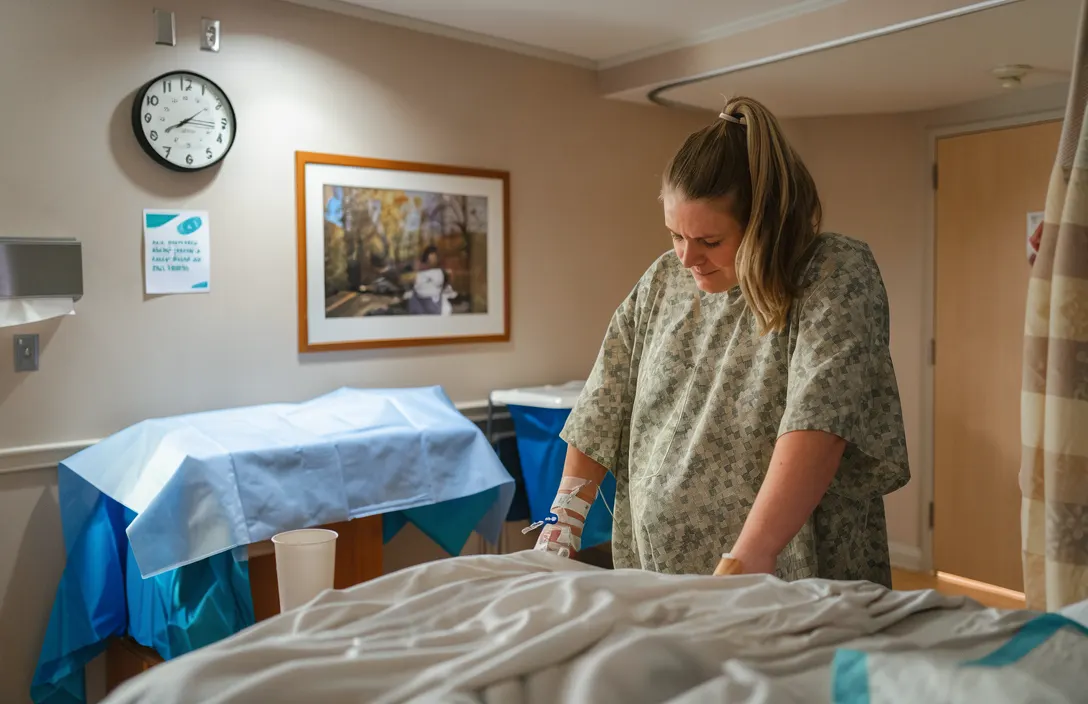

A large Norwegian trial published by The BMJ found no clear evidence that hyoscine butylbromide or sodium bicarbonate improves spontaneous vaginal birth rates (without the assistance of forceps or vacuum) in first-time mothers after induction of labor (source ID: 1). The study involved 2,963 first-time mothers who were randomly assigned to one of four groups, receiving either oral sodium bicarbonate, intravenous hyoscine butylbromide, both, or a double placebo. The drugs were administered at the onset of active labor and repeated every four hours to a maximum of three doses. [1]
The main outcome of the study was the rate of spontaneous vaginal birth without instrumental or cesarean delivery. Spontaneous vaginal birth occurred in 57% of the group receiving both drugs, 61% of the group receiving only sodium bicarbonate, 61% of the group receiving only hyoscine butylbromide, and 56% of the group receiving a double placebo. None of these differences reached the prespecified threshold for statistical significance (source ID: 1). [1]
The researchers acknowledged certain trial limitations, such as the exclusion of participants who were not proficient in Norwegian or English, which may limit generalizability. However, they noted that the trial was large, nationwide, and masked to treatment groups, minimizing the risk of bias. Results were consistent after further analyses, suggesting that they are robust (source ID: 1). [1]
A large Norwegian trial published by The BMJ found no clear evidence that hyoscine butylbromide or sodium bicarbonate improves spontaneous vaginal birth rates (without the assistance of forceps or vacuum) in first-time mothers after induction of labor (source ID: 1). The study involved 2,963 first-time mothers who were undergoing labor induction at 11 hospitals across Norway between January 4, 2023, and January 29, 2025. Participants were randomly assigned to one of four groups: oral sodium bicarbonate plus intravenous hyoscine butylbromide, oral sodium bicarbonate plus intravenous placebo, oral placebo plus intravenous hyoscine butylbromide, or double placebo. The drugs were repeated every four hours to a maximum of three doses. [1]
Advertisement
The main outcome of the study was the rate of spontaneous vaginal birth without instrumental or cesarean delivery. Spontaneous vaginal birth occurred in 57% (422 of 741) in the bicarbonate plus hyoscine butylbromide group, 61% (445 of 734) in the bicarbonate group, 61% (449 of 741) in the hyoscine butylbromide group, and 56% (422 of 747) in the double placebo group. None of these differences reached the prespecified threshold for statistical significance. However, the authors note that smaller beneficial effects on spontaneous vaginal birth can't be entirely excluded. [1]
Serious adverse events were similar between groups, and no treatment-related serious illness was observed. The authors acknowledged certain trial limitations, such as the exclusion of participants who were not proficient in Norwegian or English, which may limit generalizability. However, they emphasized that this was a large, nationwide trial where participants, clinical staff, investigators, and outcome assessors were all masked to treatment groups, minimizing the risk of bias. Results were consistent after further analyses, suggesting that they are robust. [1]
A large Norwegian trial published by The BMJ found no clear evidence that hyoscine butylbromide or sodium bicarbonate improves spontaneous vaginal birth rates (without the assistance of forceps or vacuum) in first-time mothers after induction of labor (source ID: 1). The study involved 2,963 first-time mothers who were randomly assigned to one of four groups, receiving various combinations of the drugs or placebos. The main outcome of the study was the rate of spontaneous vaginal birth without instrumental or cesarean delivery. [1]
Spontaneous vaginal birth occurred in 57% of the group receiving both hyoscine butylbromide and sodium bicarbonate, 61% in the group receiving only sodium bicarbonate, 61% in the group receiving only hyoscine butylbromide, and 56% in the group receiving neither drug. None of these differences reached the prespecified threshold for statistical significance (source ID: 1). The researchers acknowledged that smaller beneficial effects of either drug could not be entirely excluded, but the findings do not support their routine use. [1]
Advertisement
Serious adverse events were similar between groups, and no treatment-related serious illness was observed (source ID: 1). The authors acknowledged certain trial limitations, including the exclusion of participants who were not proficient in Norwegian or English, which may limit generalizability. However, the study was large, nationwide, and masked to treatment groups, minimizing the risk of bias. [1]
A large Norwegian trial published by The BMJ found no clear evidence that hyoscine butylbromide or sodium bicarbonate improves spontaneous vaginal birth rates (without the assistance of forceps or vacuum) in first-time mothers after induction of labor (source ID: 1). The study involved 2,963 first-time mothers across 11 hospitals in Norway, with random assignment to one of four treatment groups. The main outcome of the study was the rate of spontaneous vaginal birth without instrumental or cesarean delivery. [1]
Spontaneous vaginal birth occurred in 57% of the group receiving both hyoscine butylbromide and sodium bicarbonate, 61% in the group receiving only sodium bicarbonate, 61% in the group receiving only hyoscine butylbromide, and 56% in the group receiving neither drug (source ID: 1). None of these differences reached the prespecified threshold for statistical significance, and serious adverse events were similar between groups, with no treatment-related serious illness observed. [1]
The researchers acknowledged certain trial limitations, such as the exclusion of participants who were not proficient in Norwegian or English, which may limit generalizability (source ID: 1). However, the study was noted for its large scale, nationwide scope, and masking of participants, clinical staff, investigators, and outcome assessors, which minimized the risk of bias. [1]
Advertisement
The Cali Reporter newsletter
The stories worth your time.
California, the country, and what comes next. Join our free newsletter for reporting that keeps you informed.
More in Health & Medicine
- Understanding Fascia and the Evidence Behind Fascia Release
Fascia is a connective tissue that plays a structural role in the human body, but evidence supporting specific exercises or tools for 'fascia release' remains limited.
- Antidepressant Effectiveness and Long-Term Use
A new review suggests that some antidepressants may be more effective than others in helping people manage depression symptoms over the long term, according to a study published in The Lancet Psychiatry.
- Experimental Weight-Loss Drug Shows Promise for Knee Osteoarthritis Pain
A new study suggests that an experimental weight-loss drug, retatrutide, may significantly reduce knee pain in people with osteoarthritis and obesity.