Nicotine and Tobacco Smoke Damage Cells Involved in Tissue Repair
A study by the University of Oulu reveals that nicotine and tobacco smoke can harm mesenchymal stromal cells, which are crucial for tissue regeneration and wound healing.

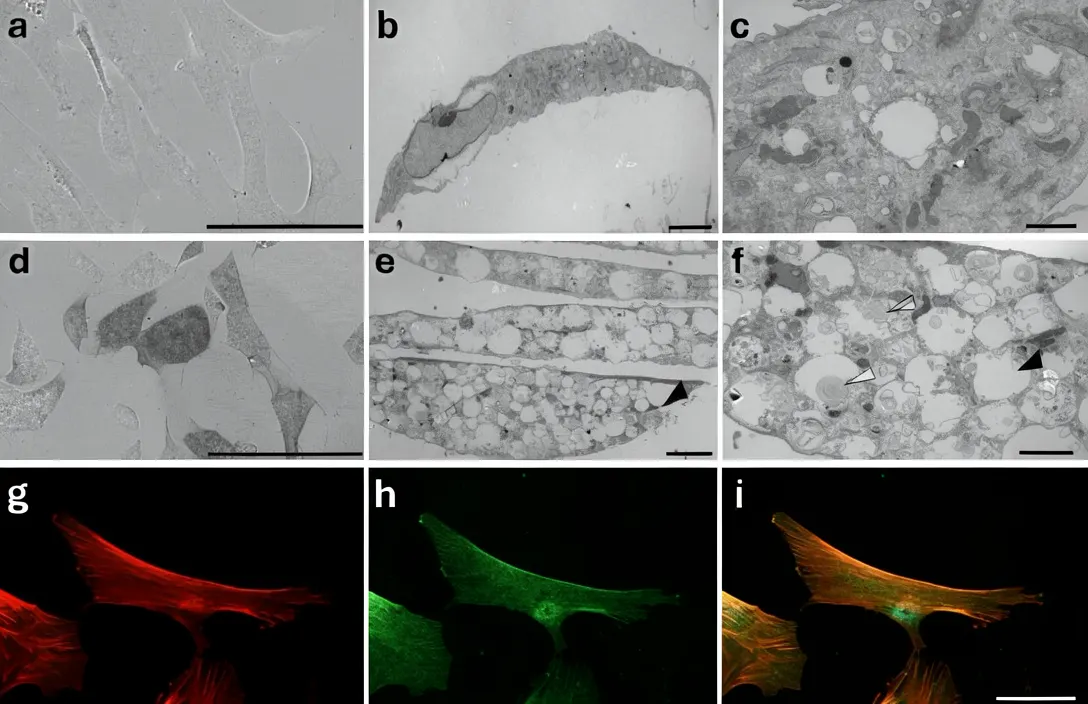

A study conducted by the University of Oulu found that nicotine and tobacco smoke can have harmful effects on mesenchymal stromal cells, which are essential for tissue regeneration and wound healing. The findings, published in the Archives of Toxicology, indicate that nicotine products may compromise oral health and the body's ability to repair damaged tissue. Adjunct professor Sanna Palosaari from the Research Unit of Translational Medicine at the University of Oulu noted that the use of nicotine pouches is becoming increasingly common, particularly among young people, yet their health effects remain understudied (source ID: 1). [1]
The study investigated how nicotine and tobacco smoke affect mesenchymal stromal cells, which play a crucial role in tissue regeneration and repair. The researchers exposed the cells to nicotine and cigarette smoke extract, revealing that cigarette smoke extract rapidly induced necrotic cell death even at low concentrations. The effects of nicotine were dependent on the level of exposure, with low concentrations slightly increasing cell proliferation, while higher concentrations triggered apoptosis (source ID: 1). [1]
Nicotine and tobacco smoke were found to alter the function of lysosomes in the cells, which are responsible for breaking down and recycling components within cells. Additionally, the study found that sublethal exposure to nicotine and cigarette smoke increased the production of the inflammatory mediator interleukin-8 (IL-8), which may explain changes in the oral mucosa observed in nicotine pouch users (source ID: 1). [1]
According to statistics from the Finnish Institute for Health and Welfare (THL), daily nicotine pouch use has increased rapidly in Finland, particularly among male vocational students and young adult men. In 2025, approximately 1 in 4 boys and 1 in 6 girls in vocational education used nicotine pouches daily. At the same time, daily smoking has been declining for many years (source ID: 1). [1]
Advertisement
A study conducted by the University of Oulu found that nicotine and tobacco smoke can have harmful effects on mesenchymal stromal cells, which are essential for tissue regeneration and wound healing. The study investigated how nicotine and tobacco smoke affect these cells, which play a crucial role in tissue regeneration and repair. According to the research, nicotine and tobacco smoke were found to alter the function of lysosomes in the cells, which are responsible for breaking down and recycling components within cells (source ID 1). [1]
The study exposed mesenchymal stromal cells to nicotine and cigarette smoke extract. The latter is a laboratory-prepared mixture used to investigate the effects of tobacco smoke on cells. Cigarette smoke extract rapidly induced necrotic cell death, or the uncontrolled breakdown of cells, even at relatively low concentrations. The effects of nicotine were dependent on the level of exposure. Low concentrations of nicotine slightly increased cell proliferation, whereas higher concentrations triggered apoptosis, or programmed cell death (source ID 1). [1]
Nicotine also altered the function of lysosomes in the cells. Lysosomes are cellular organelles responsible, among other things, for breaking down and recycling components within cells. They play an important role in cellular metabolism and maintaining cell viability. Nicotine and tobacco smoke also increase the production of an inflammatory mediator. The study also found that sublethal exposure to nicotine and cigarette smoke increased the production of the inflammatory mediator interleukin-8 (IL-8) (source ID 1). [1]
A study conducted by the University of Oulu found that nicotine and tobacco smoke can have harmful effects on mesenchymal stromal cells, which are essential for tissue regeneration and wound healing (Source ID 1). The study investigated how nicotine and tobacco smoke affect these cells, which play a crucial role in tissue regeneration and repair. Nicotine and tobacco smoke were found to alter the function of lysosomes in the cells, which are responsible for breaking down and recycling components within cells (Source ID 1). [1]
Advertisement
The research exposed mesenchymal stromal cells to nicotine and cigarette smoke extract. The latter is a laboratory-prepared mixture used to investigate the effects of tobacco smoke on cells. Cigarette smoke extract rapidly induced necrotic cell death, or the uncontrolled breakdown of cells, even at relatively low concentrations (Source ID 1). The effects of nicotine were dependent on the level of exposure. Low concentrations of nicotine slightly increased cell proliferation, whereas higher concentrations triggered apoptosis, or programmed cell death (Source ID 1). [1]
Nicotine also altered the function of lysosomes in the cells. Lysosomes are cellular organelles responsible, among other things, for breaking down and recycling components within cells. They play an important role in cellular metabolism and maintaining cell viability (Source ID 1). Nicotine and tobacco smoke also increase the production of an inflammatory mediator, interleukin-8 (IL-8), which plays a role in regulating inflammatory responses and activating inflammatory cells (Source ID 1). [1]
A study by the University of Oulu reveals that nicotine and tobacco smoke can damage mesenchymal stromal cells, which are critical for tissue regeneration and wound healing (Source ID 1). The research found that nicotine exposure can cause lysosomal vacuolization, which may impair the cells' ability to break down and recycle components within cells. This disruption could compromise the body's natural repair mechanisms. [1]
Nicotine pouches have been associated with high local concentrations of nicotine in the oral mucosa, which may lead to changes in the oral mucosa, such as thickening of the mucous membrane and increased connective tissue formation (Source ID 1). The study also showed that exposure to nicotine and cigarette smoke extract can increase the production of interleukin-8 (IL-8), an inflammatory mediator involved in activating inflammatory cells. [1]
Advertisement
According to statistics from the Finnish Institute for Health and Welfare (THL), daily nicotine pouch use has increased rapidly in Finland, particularly among male vocational students and young adult men. In 2025, approximately 1 in 4 boys and 1 in 6 girls in vocational education used nicotine pouches daily (Source ID 1). This trend highlights the need for further research on the long-term health effects of nicotine pouches. [1]
Sources
Prepared with AI assistance from the cited sources.
The Cali Reporter newsletter
The stories worth your time.
California, the country, and what comes next. Join our free newsletter for reporting that keeps you informed.
More in Health & Medicine
- Understanding Fascia and the Evidence Behind Fascia Release
Fascia is a connective tissue that plays a structural role in the human body, but evidence supporting specific exercises or tools for 'fascia release' remains limited.
- Antidepressant Effectiveness and Long-Term Use
A new review suggests that some antidepressants may be more effective than others in helping people manage depression symptoms over the long term, according to a study published in The Lancet Psychiatry.
- Experimental Weight-Loss Drug Shows Promise for Knee Osteoarthritis Pain
A new study suggests that an experimental weight-loss drug, retatrutide, may significantly reduce knee pain in people with osteoarthritis and obesity.