New Tool Reveals Basic Needs Gap in California
A new measure from California Food Banks highlights that over 40% of Californians live in households that cannot afford basic needs despite earning above the federal poverty line.

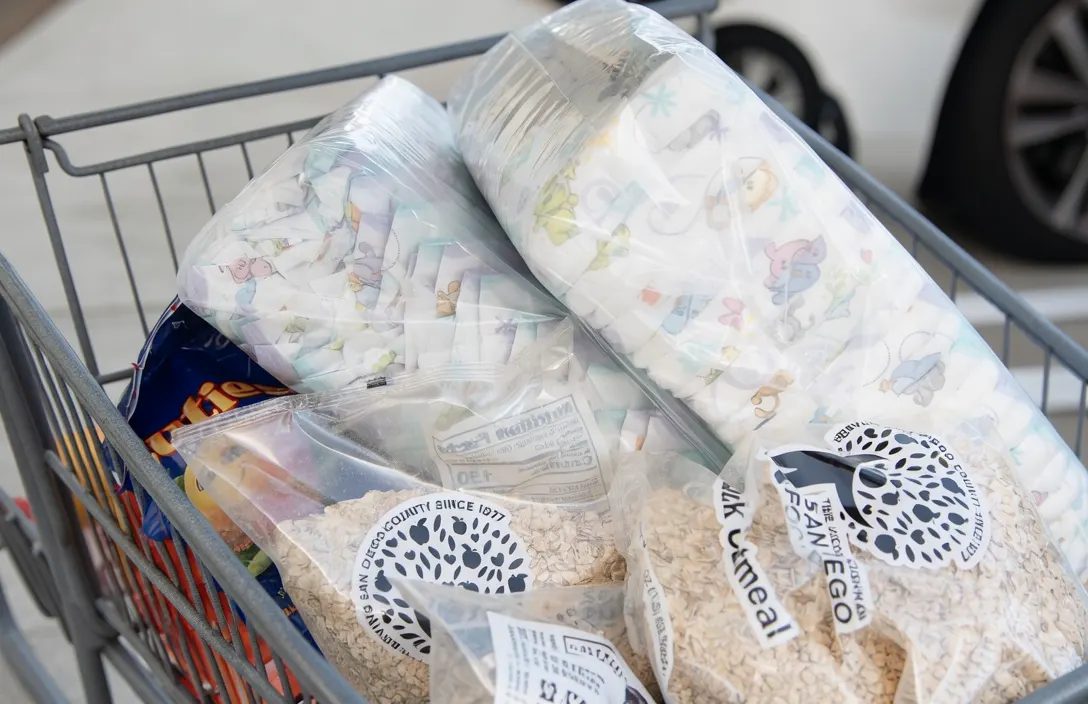

A new tool developed by California Food Banks reveals that more than 40% of Californians live in households that earn too little to cover the basics where they live, according to a report published on November 18, 2026 (source ID: 1). The measure, called the Basic Needs Gap, estimates that 16 million people, or 42.3% of the state's population, fall short of the Real Cost Measure, which is a county-by-county budget from United Ways of California that estimates what a household needs to get by without public or private aid (source ID: 1). This includes households led by seniors or people with disabilities, and people who are homeless. The measure is not a poverty or hunger statistic, but an estimate of how many people in California have incomes that are less than the cost of basic needs in their local community (source ID: 1). [1]
According to the Real Cost Measure, a single parent with one child needs about $76,600 a year to cover basic needs in Los Angeles County, while in Shasta County, the amount is about $55,500 (source ID: 1). These figures run well above the federal poverty line, which is approximately $21,000 for a household of two. A full-time job at California’s $16.90 minimum wage brings in roughly $35,000 a year, less than the basic needs budget in any of these counties (source ID: 1). The food bank organization and its community partners already serve about 6 million people a month and distribute close to a billion pounds of food a year (source ID: 1). [1]
The Basic Needs Gap varies significantly from one county to the next, with the Sacramento region falling on both ends of the range. Placer County has the lowest Basic Needs Gap in the state, at 24.6%, while Sacramento County has a rate of 38.7% (source ID: 1). The measure is being released as federal food aid is being cut back, with H.R. 1 tightening eligibility for CalFresh and reducing benefits for many who keep it (source ID: 1). California Food Banks plans to add demographic breakdowns in the coming months and to refresh the figures when the Real Cost Measure is updated in 2027 (source ID: 1). [1]
According to a report published on November 18, 2026, more than 40% of Californians live in households that earn too little to cover the basics where they live, as revealed by a new measure from California Food Banks (source ID: 1). This figure, known as the Basic Needs Gap, includes individuals whose incomes fall below the Real Cost Measure, which estimates the annual cost of basic needs in each county. The tool was developed to address the limitations of traditional poverty metrics and to highlight the true scale of need among working families, seniors, and people with disabilities. California Food Banks, which represents 44 member food banks, created the measure to better understand where assistance is most needed and to show how many people, despite earning above the federal poverty line, still face significant financial strain. [1]
Advertisement
The Real Cost Measure, developed by United Ways of California, shows significant variation in the cost of living across the state. For example, a single parent with one child needs about $76,600 a year in Los Angeles County to cover basic needs, while in Shasta County, the amount is about $55,500 (source ID: 1). These figures far exceed the federal poverty line, which is approximately $21,000 for a household of two. Even a full-time job at California’s $16.90 minimum wage brings in roughly $35,000 a year, which is insufficient to meet the basic needs in any of these counties. This discrepancy underscores the challenge faced by many working families who are still unable to afford essentials despite earning above the poverty threshold. [1]
The Basic Needs Gap varies significantly from one county to the next, with the Sacramento region falling on both ends of the range. Placer County has the lowest Basic Needs Gap in the state at 24.6%, but this is not due to lower living costs. Instead, it is attributed to higher incomes in the area (source ID: 1). In contrast, Sacramento County has a Basic Needs Gap of 38.7%, with roughly 603,000 residents falling below the line. The measure also highlights the challenges in San Joaquin County, where the gap reaches 40.4%. These disparities reflect the complex interplay of income levels and living costs across different regions of the state. [1]
A new tool developed by California Food Banks reveals that more than 40% of Californians live in households that earn too little to cover the basics where they live, according to a report published on November 18, 2026 (source ID: 1). This measure, known as the Basic Needs Gap, was created to address the gap between federal poverty statistics and the actual cost of living in local communities. The tool accounts for households whose income falls below the Real Cost Measure, which estimates the minimum income required for basic needs in each county, and also includes households led by seniors, people with disabilities, and the homeless (source ID: 1). [1]
According to the Real Cost Measure, a single parent with one child needs about $76,600 a year to cover basic needs in Los Angeles County, while in Shasta County, the amount is about $55,500 (source ID: 1). These figures highlight the significant variation in the cost of living across different regions of the state. The Basic Needs Gap varies significantly from one county to the next, with the Sacramento region falling on both ends of the range. In some areas, such as Placer County, the gap is lower due to higher average incomes, while in others, like Sacramento County, the gap is much higher (source ID: 1). [1]
Advertisement
The measure also accounts for the fact that even households earning above the federal poverty line may still struggle to afford basic needs. For instance, a full-time job at California’s $16.90 minimum wage brings in roughly $35,000 a year, which is less than the basic needs budget in any of these counties (source ID: 1). The Basic Needs Gap is a modeled estimate, with county-level data being the most reliable, while smaller-area maps have a margin of error and exclude certain populations, such as those living in prisons or group quarters (source ID: 1). [1]
According to a report published on November 18, 2026, more than 40% of Californians live in households that earn too little to cover the basics where they live, as revealed by a new measure from California Food Banks (source ID: 1). The measure, called the Basic Needs Gap, was developed in response to the growing need for a more accurate reflection of the real cost of living across the state. California Food Banks, an Oakland-based anti-hunger group representing 44 member food banks, created the tool to better understand the extent of food insecurity and the high cost of basic necessities like housing, health care, and transportation. The measure goes beyond traditional poverty metrics and highlights the economic challenges faced by working families who earn above the federal poverty line but still struggle to afford basic needs. [1]
The Real Cost Measure, developed by United Ways of California, provides county-by-county estimates of what a household needs to get by without public or private aid. For example, a single parent with one child needs about $76,600 a year to cover basic needs in Los Angeles County, while in Shasta County, the amount is about $55,500 (source ID: 1). These figures are significantly higher than the federal poverty line, which is approximately $21,000 for a household of two. A full-time job at California’s $16.90 minimum wage brings in roughly $35,000 a year, which is less than the basic needs budget in any of these counties. This highlights the challenge many working families face in affording basic necessities despite earning above the poverty line. [1]
The Basic Needs Gap varies significantly from one county to the next, with the Sacramento region falling on both ends of the range (source ID: 1). For instance, Placer County has the lowest Basic Needs Gap in the state, at 24.6%, not because it is less expensive, but because incomes tend to be higher than in neighboring counties. In contrast, Sacramento County has a Basic Needs Gap of 38.7%, affecting roughly 603,000 residents. This disparity underscores the need for targeted policy solutions that address the unique economic challenges faced by different regions within the state. The measure also highlights the potential impact of federal budget changes, such as H.R. 1, which is tightening eligibility for CalFresh and reducing benefits for many who keep it. [1]
Advertisement
The Cali Reporter newsletter
The stories worth your time.
California, the country, and what comes next. Join our free newsletter for reporting that keeps you informed.
More in San Diego
- Community Condemns ICE Enforcement Near Encinitas School
Residents and school officials in Encinitas are expressing deep concern over an ICE arrest near a local elementary school, highlighting the emotional and psychological impact on families and children.
- San Diego Lawmakers Push Immigration Enforcement Reforms
San Diego's Congressional delegation is advocating for changes to immigration enforcement practices following recent arrests that have raised concerns about the impact on families.
- Tide Pool Etiquette and Environmental Impact During King Tides
As king tides bring more visitors to San Diego's coastline, concerns grow over the impact of human activity on tide pool ecosystems. Educators and conservationists are urging visitors to follow responsible practices to…